Should SGX follow Hong Kong’s lead on longer trading hours?
Singapore’s objective is to improve liquidity and boost the capital market. Trading through lunch may not help
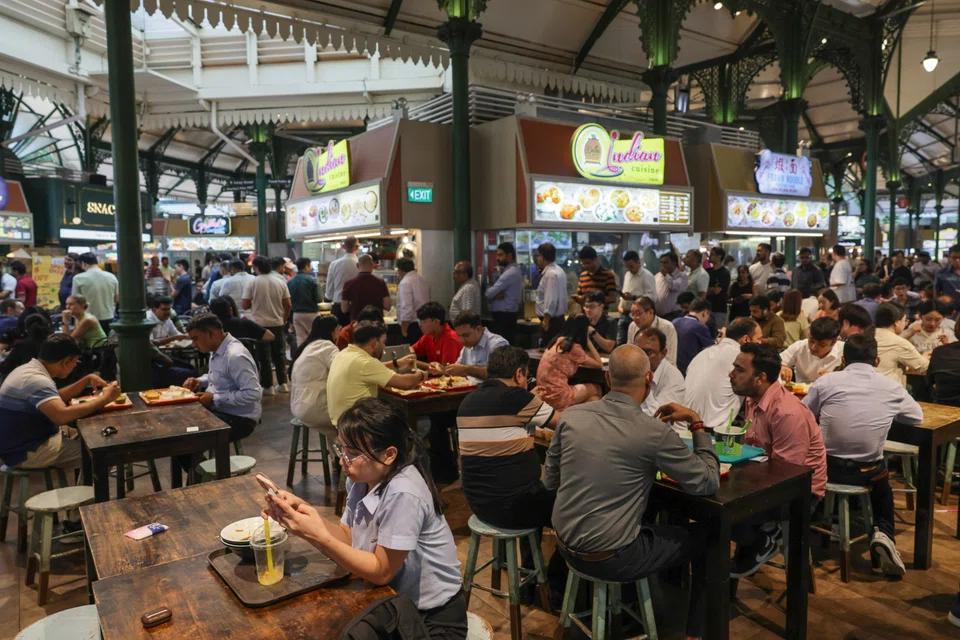
THE Hong Kong Stock Exchange’s (HKEX) proposal to abolish its lunch break and extend trading hours has reignited a debate that Singapore thought it had settled years ago.
If the HKEX proceeds with continuous trading from morning until market close, should the Singapore Exchange (SGX) respond in kind?
The answer is not as straightforward as it might appear. While no exchange can afford to ignore a regional rival’s moves, following Hong Kong’s lead may not necessarily make Singapore more competitive.
This issue is not new. In 2011, SGX removed the then-prevailing 90-minute lunch break and introduced continuous trading, arguing that seamless trading would improve market efficiency, strengthen price discovery and align Singapore more closely with global financial centres.
The experiment did not satisfy everyone because many brokers found the longer uninterrupted day operationally demanding, while retail investors saw few tangible benefits.
As a result, in 2017 SGX introduced the current one-hour lunch break, effectively acknowledging that market structure must reflect the needs of participants rather than simply emulate overseas exchanges.
Hong Kong has now proposed continuous trading from 9 am until the market closes.
The rationale is understandable. Global investors increasingly expect uninterrupted electronic markets, and removing the lunch break would bring Hong Kong in line with London and New York.
Besides making the market more accessible to international fund managers, it would allow news to be reflected immediately in prices instead of waiting for trading to resume after lunch.
Continuous trading avoids artificial interruptions to price discovery and may improve the overall trading experience for institutional investors.
Perceptions matter, of course. If international investors see that Singapore chooses to stand still while competitors modernise, they may conclude that Hong Kong offers a more efficient marketplace – even if the practical differences are relatively modest.
But extending trading hours is not an objective in itself.
SGX’s challenge
The real objective is to improve liquidity and strengthen the capital market. Whether longer trading achieves that is far from certain.
SGX has long faced a liquidity challenge, which has little to do with the number of hours the market is open. Extending trading hours could simply spread existing orders over a longer period without generating any meaningful increase in turnover.
Brokerages would need to staff dealing rooms for longer periods, increasing operating expenses at a time when many firms are already under pressure. Smaller intermediaries would be particularly affected.
Unless trading volumes rise sufficiently to offset these costs, the economics become difficult to justify.
Retail investors, too, may gain less than expected. Most are not active traders watching markets throughout the day. Instead, their primary concerns are fair pricing, transparent disclosures, adequate liquidity and confidence that the market is well-regulated.
Ensuring continuous trading without pausing for lunch is also unlikely to rank highly among retail investors’ priorities.
Before making any changes, SGX should therefore undertake a comprehensive public consultation involving brokers, listed companies, institutional investors and retail shareholders.
Ultimately, it is worth remembering that the success of a stock exchange is measured by the quality of its market.
Liquidity, investor confidence, strong corporate governance, transparent disclosures and a healthy pipeline of attractive listings will always matter far more than whether the market closes for lunch.