

SpaceX’s investors are giving up control to buy into Musk’s vision
Racing to capture upside should not ignore external costs
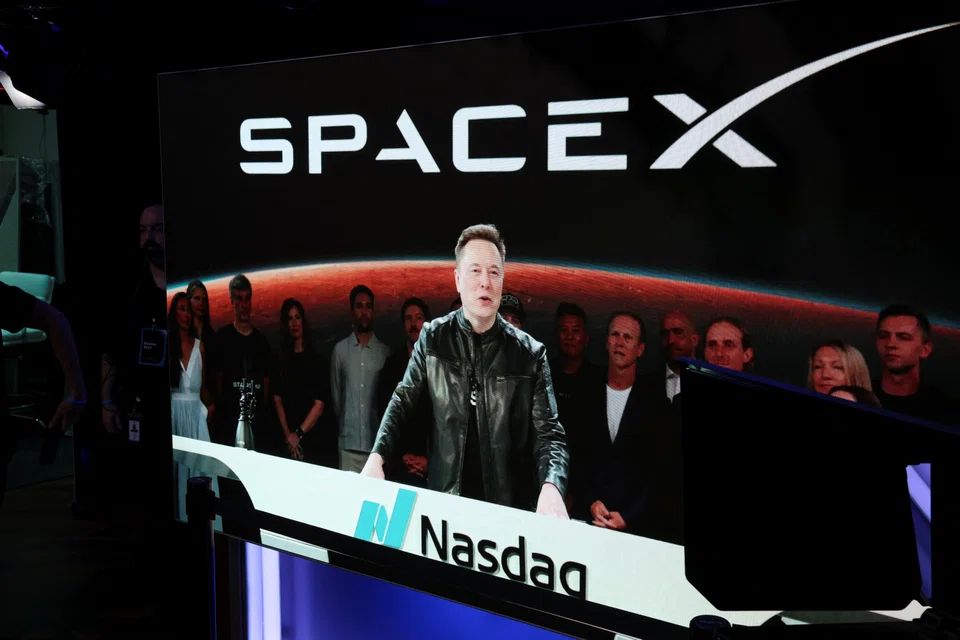
ELON Musk’s industrial empire is testing a controversial proposition: that society should tolerate environmental shortcuts and limited shareholder control because the prize is faster innovation.
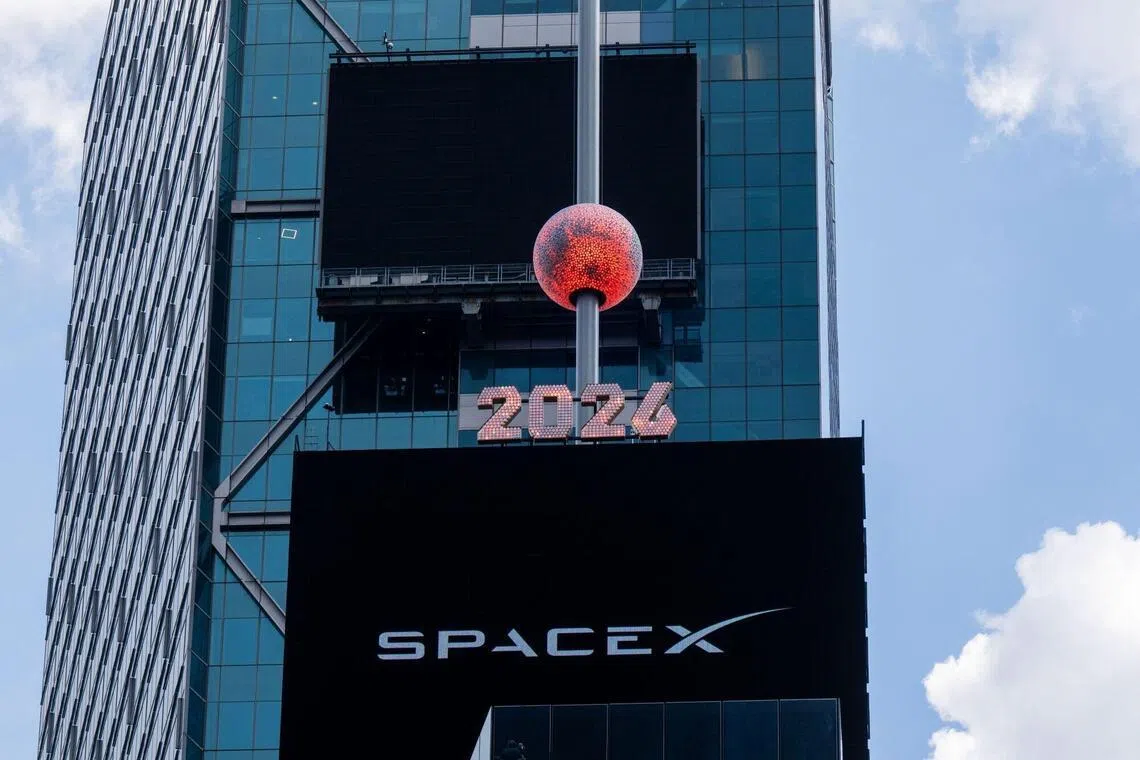
That is the bargain now embedded in SpaceX’s listing under the “SPCX” ticker. By the time SpaceX entered public markets, it had already absorbed xAI, Musk’s artificial intelligence and social network company.
Investors were therefore not buying a clean aerospace story of rockets, Starlink and reusable launch. They were buying into a founder-controlled platform that also included Grok, rapidly expanding terrestrial AI centres and the contested Colossus buildout.
The central concern is not simply that xAI has chosen fossil-fuel generation to accelerate AI training. Nor is it that SpaceX’s public shareholders have very limited power to influence decisions relating to climate, water or regulatory risks.
The concern is the combination: environmental-regulatory arbitrage on the ground, paired with financial-structure arbitrage in the market.
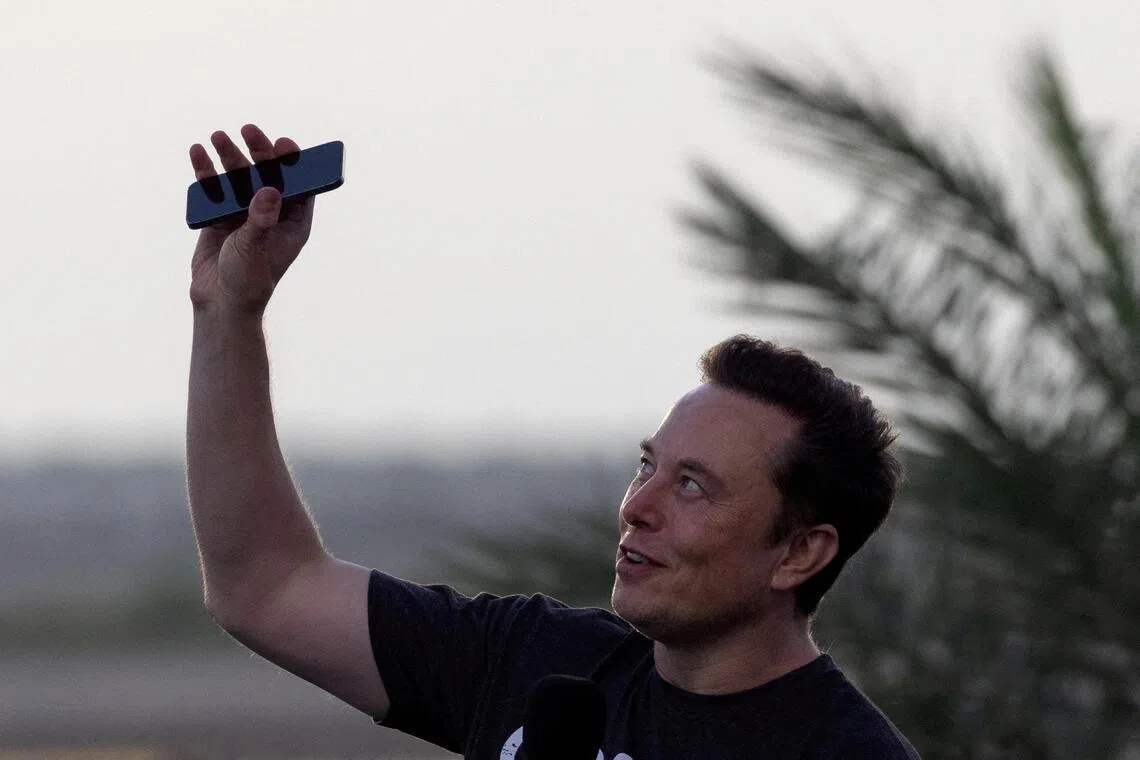
In other words, Musk’s company is exploiting gaps in energy and environmental policy to power growth, which shifts costs onto global communities, aquifers and the atmosphere.
'%3e%3cpath%20d='M12.1475%2025.5262C13.7713%2025.4295%2014.94%2023.913%2014.94%2021.8832C14.94%2019.5359%2013.474%2018.093%2011.5917%2018.093C11.3745%2018.093%2010.9582%2018.093%2010.8393%2018.1413V25.2086L11.8891%2025.5745C11.8891%2025.5745%2012.207%2025.5262%2012.1475%2025.5262ZM11.4934%2017.6281C13.2567%2017.6281%2014.3843%2016.4292%2014.3843%2014.4501C14.3843%2012.372%2013.275%2011.2973%2011.4339%2011.2973H10.8393V17.6305H11.4934V17.6281ZM6.66078%2025.6482L7.39265%2025.5492C8.02617%2025.4502%208.26403%2025.3053%208.26403%2025.1097V11.6149C8.26403%2011.4193%208.1451%2011.3709%207.23484%2011.249L6.68137%2011.173L6.6219%2010.7588H11.9508C15.7153%2010.7588%2017.0624%2012.0797%2017.0624%2014.1578C17.0624%2015.9666%2015.7748%2017.1909%2013.4969%2017.6305V17.7041C16.111%2017.948%2017.6571%2019.5382%2017.6571%2021.7636C17.6571%2024.3318%2015.8937%2026.0417%2012.1109%2026.0417H6.60132L6.66078%2025.6482Z'%20fill='%232B2B2B'/%3e%3cpath%20d='M20.6287%2025.6505L21.5596%2025.5515C22.1725%2025.4779%2022.4104%2025.3076%2022.4104%2025.112V11.249H21.9346C20.073%2011.3479%2018.982%2013.0095%2018.408%2014.6227L18.1907%2015.5018H17.6555L18.1701%2010.7588H29.3837L29.6421%2015.4787H29.1664L28.9491%2014.6227C28.3728%2012.8645%2027.3047%2011.2743%2025.5002%2011.249H24.9856V25.1856C24.9856%2025.3812%2025.1251%2025.4548%2025.9965%2025.5515L26.7695%2025.6505L26.829%2026.0417H20.5693L20.6287%2025.6505Z'%20fill='%232B2B2B'/%3e%3c/g%3e%3cdefs%3e%3cclipPath%20id='clip0_5242_21648'%3e%3crect%20width='24'%20height='16.8'%20fill='white'%20transform='translate(6%2010)'/%3e%3c/clipPath%3e%3c/defs%3e%3c/svg%3e)
At the same time, it is implementing a share structure that shifts governance risk onto public investors even as overwhelming founder control is preserved.
Together, they create a powerful model for scaling frontier technology: move quickly, defer some of the associated cost, capture the upside and leave society to price the damage later.
This posture is familiar. Supporters claim this is how innovation happens. The grid is too slow. Obtaining permits is too cumbersome. AI is too strategically important. Space-based compute may eventually solve the terrestrial problem of physical resource constraints. Investors who want exposure to this exciting future must accept unconventional control.
SEE ALSO


Defenders of this approach would argue that many transformative technologies emerged because entrepreneurs moved ahead of existing infrastructure and regulation. Commercial aviation, the Internet and renewable energy all advanced faster than the speed at which policymakers could adapt to them.
Yet, the question is not whether risk-taking should be encouraged, but whether the public should bear costs that markets may not fully price.
The price of ignoring externalities
For decades, developed economies treated externalities as someone else’s problem.
Carbon went into the atmosphere. Pollution and extraction were pushed into poorer communities and developing countries. Water, land and biodiversity absorbed costs that corporate balance sheets ignored.
The gains were immediate and private; the welfare losses were delayed and often borne by those with the least bargaining power.
AI now risks repeating that bargain at machine speed.
The issue is not whether AI matters. It does. Compute capacity is strategic infrastructure. Frontier models may advance medicine, climate modelling, cybersecurity, industrial productivity and defence. The US cannot afford to fall behind in AI.
But ambition does not excuse reckless regulatory arbitrage. The choice by xAI to rely on fossil-fuel generation for massive AI infrastructure was not simply a difficult trade-off forced by an imperfect grid.
It was a decision to prioritise speed over environmental safeguards, community exposure and public accountability. Gas turbines may solve a private interconnection problem, but they create public costs: air pollution, carbon emissions, permitting conflict, water stress and local health concerns.
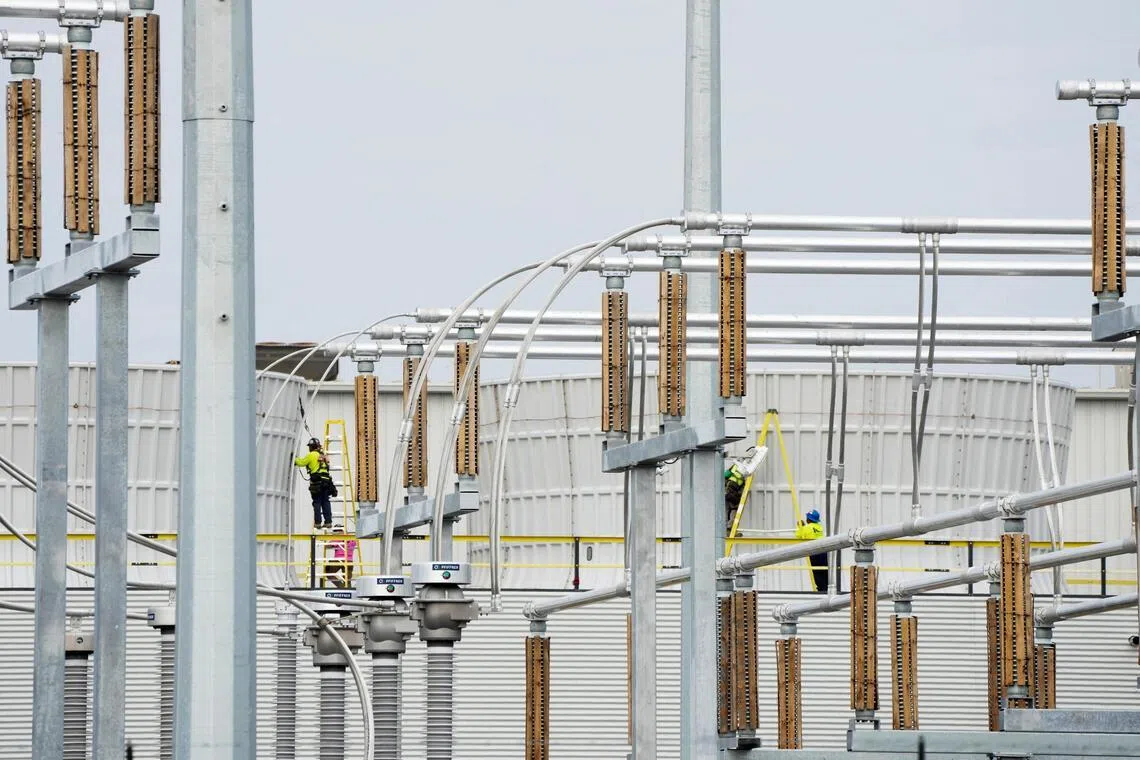
The contrast with Google is instructive. Google is hardly a climate saint: Its AI expansion has increased energy demand, complicated emissions targets and raised legitimate questions about whether Big Tech’s climate promises can survive the compute boom.
But Google’s stated approach at least accepts the right frame. In 2020, it committed to 24/7 carbon-free energy by 2030. When designing its data centres, Google works through power-purchase agreements and grid decarbonisation, and discusses water stewardship, alternative water sources and direct-to-chip cooling.
In other words, Google treats energy and water as constraints to be engineered and disclosed, not inconveniences to be bypassed with fast fossil infrastructure. That makes xAI’s approach harder to defend.
The acquisition of xAI before the initial public offering makes the governance question unavoidable.
Public investors were not merely buying exposure to a founder who also owned a controversial private AI company. They were buying into a company whose public-market story had already expanded to include AI infrastructure.
If Colossus, Grok and orbital data centres help support the valuation narrative, then Colossus-related environmental and regulatory risks belong inside the investor-risk discussion as well.
Governance structure can lead to investor risks
That should have been a critical issue in the SPCX offering. It was not treated like one.
The reason is governance. SpaceX is tightly controlled by Musk. Public shareholders may gain liquidity and exposure to one of the world’s most important aerospace companies, but they are not buying conventional accountability.
They are buying into a founder-controlled structure in which ordinary investors have little practical ability to pressure Musk on climate risk, environmental compliance, water use, related-party exposure or the boundaries between visionary risk-taking and regulatory arbitrage.

That makes the climate issue more material, not less. In a normally governed public company, environmental liabilities can become investor pressure points: shareholder proposals, director votes, engagement campaigns, disclosure demands and proxy contests.
At SpaceX, that disciplining mechanism is largely blunted. Investors can voice concerns, sell their holdings or absorb the risk. Their ability to influence strategic direction, however, remains very limited.
That is the market failure at the centre of the IPO. Public investors are being offered exposure to a strategically important company, but not meaningful control over the environmental and governance choices that may shape its long-term risk profile.
The pattern is recognisable: move first, gain market share and dominance, overwhelm infrastructure, exploit ambiguity and dare regulators to catch up. Sometimes that style produces breakthroughs. Sometimes it produces avoidable harm.
AI infrastructure is no longer just software. It is heavy industry. Frontier model training requires electricity, cooling water, land, transmission capacity, chips, minerals and rapid hardware replacement.
If faster AI training results in greater fossil-fuel dependence, increased pollution exposure, heightened water stress and potential litigation, investors should view these issues not merely as ESG concerns but as material business risks.
The competitive argument is real but incomplete. Yes, AI is a geopolitical race. Yes, grid interconnection is too slow. Yes, clean energy deployment and transmission permitting need reform.
But those failures do not justify private fossil workarounds that shift costs onto local communities. Competitiveness cannot become a blanket exemption from environmental responsibility.
Nor can the sector pretend that all compute demand is equally valuable. AI for cancer research, grid expansion and resilience, and national security is not the same as AI for spam, synthetic influencers, engagement optimisation or another corporate chatbot.
If energy and water are scarce, society has a right to ask which AI workloads deserve priority and which are simply monetising consumer appetite.
The planetary dimension is equally important. AI presents itself as weightless, but it depends on minerals, chips, fabrication plants, electricity and cooling water.
If the benefits accrue to innovators, wealthy companies and developed-country investors while the costs fall on poorer communities, resource frontiers and climate-vulnerable nations, AI risks reinforcing some of the same distributional imbalances that characterised the fossil-fuel era.

The orbital data-centre thesis does not solve this. Space-based compute powered by solar energy and launched by SpaceX’s Starship is an elegant idea. It may eventually support specialised workloads.
But orbit does not eliminate externalities; it relocates them. Launch emissions, debris risk, spectrum conflicts, radiation hardening, thermal management, re-entry planning, ground infrastructure and hardware replacement remain unresolved.
The real choice is not AI versus the environment. It is responsible industrialisation versus another century of externality dumping.
Before buying into its investment thesis, regulators and SpaceX investors should have demanded governance worthy of the firm’s valuation: transparent energy sourcing, a lawful permitting process, water disclosure, environmental controls, independent board oversight, related-party safeguards and credible climate accountability.
Instead, the IPO structure has done the opposite. It gave public investors access to the upside while leaving Musk with overwhelming control over the risks and arbitrage.
Musk has often been rewarded for moving faster than incumbents. But speed is not a moral defence. When a company builds first, pollutes now, litigates later and points to future space technology as absolution, it is not escaping the old economy. It is perpetuating it.
The writer is professor of finance at the National University of Singapore (NUS) Business School, and director of the university’s Sustainable and Green Finance Institute. The opinions expressed in this article do not represent the views of NUS
Decoding Asia newsletter: your guide to navigating Asia in a new global order. Sign up here to get Decoding Asia newsletter. Delivered to your inbox. Free.
Share with us your feedback on BT's products and services
TRENDING NOW

Once staunchly pro-China, Malaysian Chinese businesses are now distancing themselves from Beijing

Looking beyond looming CEO succession, should UOB potentially pursue a transformative merger?

Could stablecoins be the future of money?

Grab CEO’s wife Chloe Tong on life with Anthony Tan and finding her purpose

