

Stock market bulls eagerly await the Fed’s promise of September rate cut
The rate is likely to be unchanged at the Fed’s meeting this week, which is aimed at preparing the ground for a cut in September
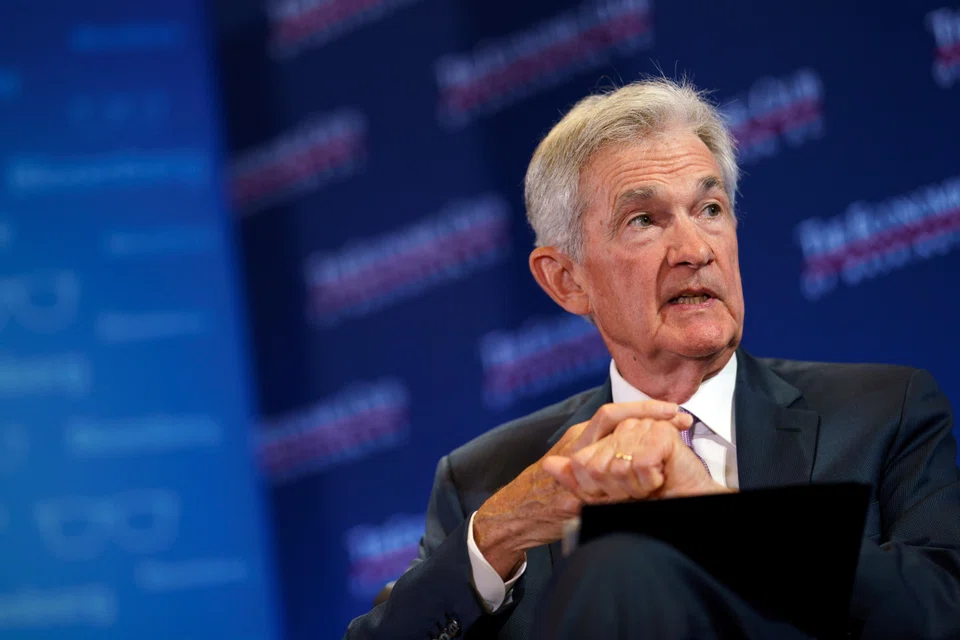
WHEN the Federal Reserve meets this week, expect the US central bank to build a case for an interest rate cut to take place in September.
Fed chairman Jerome Powell has mastered the modern art of the pivot, going from a sternly hawkish tone for almost two years to a resolutely dovish tone in recent months.
On Wednesday (Jul 31), at the end of the Fed’s two-day meeting, he is likely to pivot yet again. Instead of screeching like a hawk or cooing like a dove, he may well cluck like a proud hen watching her chick make a soft landing.
The Fed is almost certain to leave rates unchanged at its July meeting; they are currently at between 5.25 and 5.5 per cent.
At the same time, Powell is likely to declare a conclusive victory over inflation. He will also likely express optimism about averting a recession and lay the groundwork for a September cut.
“We expect the meeting and upcoming data releases to support our view that monetary easing will start in September, as the US continues to head toward a soft economic landing,” said Solita Marcelli, chief investment officer for the Americas at UBS Global Wealth Management, in a note.
There have now been three consecutive months of data pointing to consumer inflation at or below 3 per cent annual rate – not quite hitting the Fed’s 2 per cent target, but coming closer than anyone could have dreamed in the summer of 2022, when inflation was topping a 9 per cent annual rate and apparently rising.
At that time, with the war raging in Ukraine and shortages of cars and computer chips worldwide, the Fed seemed to have an impossible task ahead, to fight inflation without causing collateral damage to the already slowing economy.
The US economy is unequivocally slowing. Consumer confidence has slipped, and the labour market is showing signs of softness; spending, particularly for cars and luxury items, has slowed. But, as last week’s GDP report demonstrated, with second-quarter economic growth estimated at 2.8 per cent, it is nowhere near a recession.
If anything, the risk to the economy is to the upside, rather than the downside, say some senior Fed officials, including governor Michelle Bowman.
She has warned that inflation could rear its ugly head again, particularly if and when the central bank starts cutting rates, which could lead to more spending as borrowing becomes more affordable.
But Wall Street economists and investors receive those warnings as the kind of rhetoric a child might hear from their parent about brushing their teeth as they near the top of the ice-cream line. Wall Street has waited for some accommodation from the Fed for three long years, and now it is so close that investors cannot think of anything else.
“Positive economic data alongside our expectation that the Fed will start to cut interest rates in the autumn means we maintain our positive view on equities,” said strategists at money manager Schroder’s, in a note.
The Russell 2000, the domestically focused small-cap index of the most rate-sensitive stocks, has risen about 12 per cent in July as Treasury markets price in a rate cut in September.
The final piece of the puzzle for the stock-market bulls was last Thursday’s reading of the core personal consumption expenditure (PCE) index – the gauge the central bank uses as a guide.
“PCE inflation was in line with expectations and roughly in line with the Fed’s 2 per cent target rate,” said economists at brokerage Bank of America Global Research. “The data are another tick of the box for the Fed.”
Most excitingly, for stock-market bulls, inflation has come down without dragging the economy down with it. This is likely a testament to the Fed’s decision to grasp the proverbial nettle, shocking the economy with a rapid series of rate hikes.
The moves effectively froze the housing market as sellers went on strike, refusing to leave their homes and, more to the point, their low-priced home loans as mortgage rates shot up from 3.5 to 7 per cent almost overnight.
That had some knock-on effects in the broader economy, but, by and large, factories kept spitting out cars and other items. Until recently, consumers kept buying them.
The only risk is that Powell becomes too satisfied with the evident soft landing, and decides that the economic expansion will survive even without a rate cut in September. At one stage, the murmurs on Wall Street were that the Fed would go early, and cut rates at this week’s meeting.
“Strong activity data means the Fed can be patient,” said the Bank of America economists.
The Fed may be patient, but the stock-market bulls are eagerly expecting to hear a firm promise of cuts in September. Anything less could cause a massive selloff.






