Sustainability is Singapore’s edge in the space-tech economy
A clear focus on sustainability and ethics signals trust and strengthens partnerships
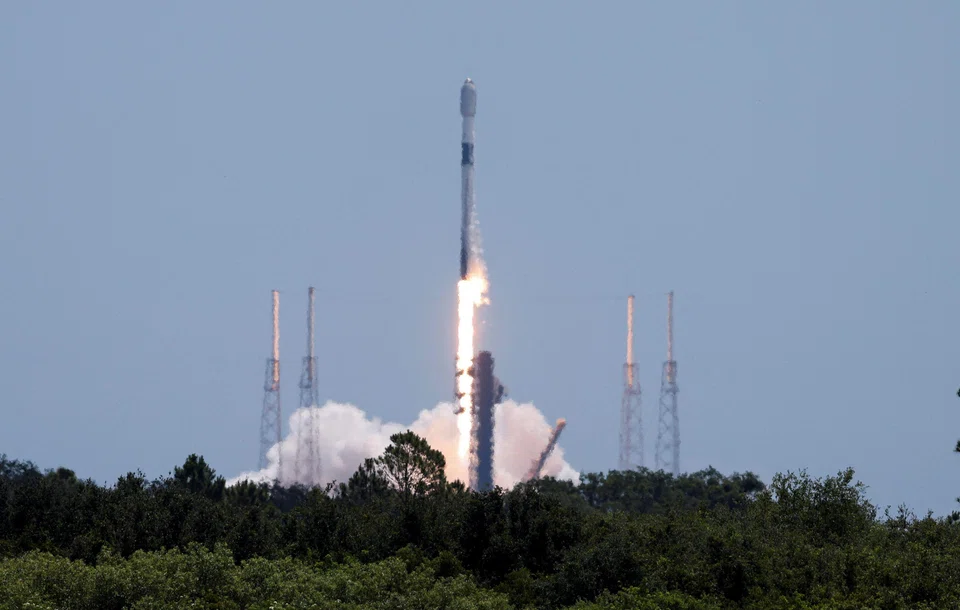
WITH the National Aeronautics and Space Administration (Nasa)’s latest moon rocket mission and the popularity of science-fiction movies like Star Wars, it is easy to see space as a story of ambitious exploration or technological competition. But beyond the headlines and Hollywood hype, more pragmatic considerations are emerging for Singapore.
The global space economy is projected to grow from US$630 billion in 2023 to US$1.8 trillion by 2035, according to the World Economic Forum. Singapore does not plan to send astronauts to space or lead deep-space missions, so what role can the country play in this economy?
The National Space Agency of Singapore (NSAS), launched on Apr 1, is the latest addition to the Asean space ecosystem, where half of member nations now have a space agency.