

Switzerland flunks its study of commodity speculators
An industry that operates in the shadows stays in the shadows
 Add BT as a preferred source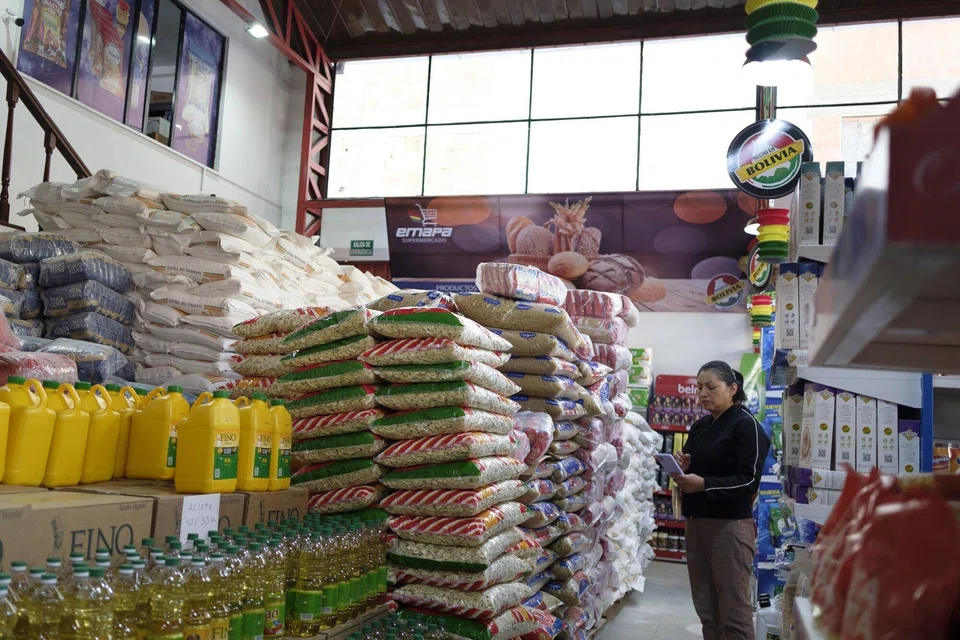
THE Swiss federal government had a simple request from its lawmakers: Write a report about the impact of speculation on agricultural-commodity markets. Government mandarins had the time – more than two years. Crucially, they had the access, too. Switzerland is home to the global commodity trading industry.
But rather than shedding light on the topic, the anonymous authors delivered 28 pages that read like an all-nighter effort by a first-year college student – or even something spat out by ChatGPT when asked to “write a report on commodity speculation in the dull manner of the Swiss Federal Council. Don’t conduct any original research; ignore any criticism of the industry; and above all, do not name names”.
The result is more interesting for what it doesn’t say than for what it says. Absent are, for example, the very names of the biggest players in the industry – all with major operations in or around Geneva: Cargill, Bunge Global, Archer-Daniels-Midland, Louis Dreyfus and China’s Cofco International. Absent, too, is discussion of the concentration of trading firepower among them and any details about how much money they made during the most recent price spikes. If one is investigating the agricultural-commodity industry and doesn’t know how much money the biggest players made, well, then, they don’t know anything.
TRENDING NOW

Singapore Kitchen CEO, senior manager charged with alleged fraud, falsifying accounts; both to stay in jobs for now

Profit with purpose: Kim Choo Kueh Chang’s pivot from public listing to protecting heritage
Who would buy Vietnam’s state-owned stakes – when Hanoi is ready to sell?
Orchard plot, Jurong East EC, Raffles Town Club site among 10 new housing parcels in H2 GLS plan

