To tackle food insecurity, look beyond agriculture to peacebuilding and preventing war
THOSE who fret about energy shortages and inflation should also focus on the security of food supplies.
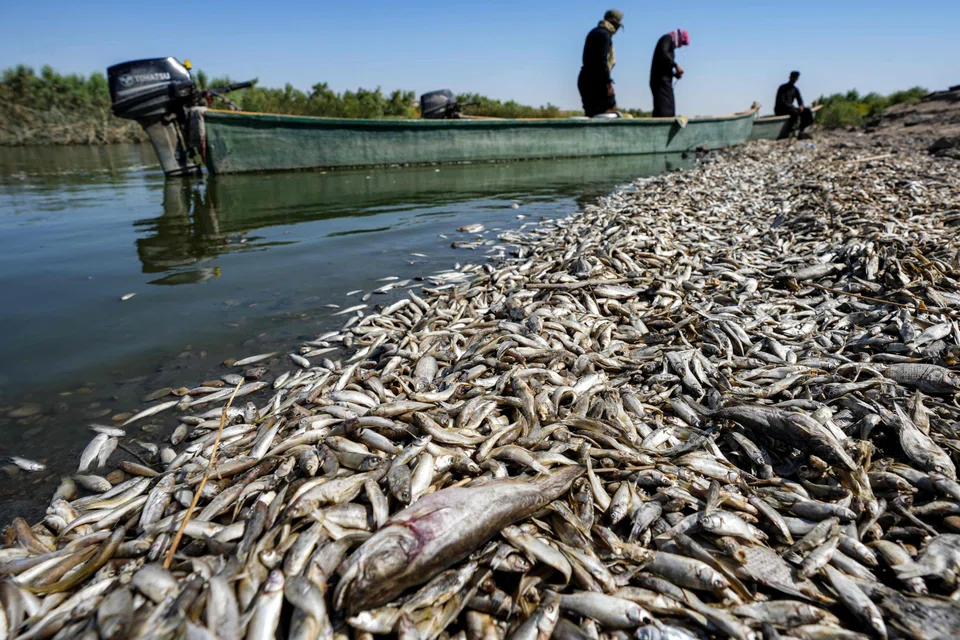
Global food security has become a massive problem. It is interlinked with the lengthy Ukraine war and conflicts in Somalia, Syria and elsewhere. This is over and above climate change, which brings droughts, fires and floods.
More than ever, urgent action is needed to forge peace, bolster the global agricultural economy and secure lower-priced nutritional produce.
Food insecurity is a staggering humanitarian tragedy. The number of children, women and men facing starvation has risen to the highest level in nearly two decades, according to the United Nations’ (UN) World Food Programme (WFP).
A record 349 million people were acutely hungry at the beginning of this year, estimates the WFP. This could reach 600 million by the end of the decade. Conflicts and mass displacement have led to hunger, malnutrition, sickness and death in Africa, Asia, and South and Central America.
In these areas, farmers and consumers are increasingly struggling to cope with climate change’s severe droughts and sudden floods. In addition, there have been recent natural disasters, such as the devastating earthquakes in Turkey and Syria.
The lengthy Ukraine war has aggravated the crisis. Not only is there an acute shortage and much higher prices of wheat, corn, barley and sunflower oil from the Ukraine and Russian bread baskets, but Russia is a major producer of fertiliser. Dramatic declines in fertiliser supplies are hurting grain and rice farmers in Europe, Asia, Africa and elsewhere.
Even in wealthier countries, food insecurity exists and should be tackled. Good, healthy, nutritious food should be in ready supply and promoted to the populace. Such a diet – in conjunction with exercise – would lower society’s obesity levels, raise productivity and ease demands on overburdened health services.
What the world can do
But what steps should be taken, and how much funding should be forthcoming from both the public and private sector?
The mantra of Qu Dongyu, director-general of the UN’s Food and Agriculture Organization, is “Four Betters” – better production, better nutrition, a better environment, and a better life.
The organisation has identified 20 priority programme areas, including green innovation, equitable chances for small-scale producers, digital agriculture, healthy diets, restoring ecosystems, reducing food loss and waste, and promoting transparent markets and trade.
Its priorities extend to gender equality, rural women’s empowerment, sustainable urban food systems and investment in small, medium and larger farms.
The WFP itself is a good example of how to take swift action. Last year, its directors decided to employ more full-time workers who advise and work with partner institutions to deliver emergency food, cash and nutrition assistance.
It also provided food assistance to combat the malnutrition and hunger of nearly 160 million people, helping to avert famine in countries such as Afghanistan and Somalia; and negotiated access to several conflict zones, allowing it to provide humanitarian assistance and avert catastrophic levels of food insecurity.
These impressive achievements were enabled by funding from international financial institutions, private foundations and individuals, which donated US$14 billion in 2022, almost 50 per cent more than in 2021.
Yet unfortunately, funding is still inadequate – not least because inflation, supply-chain disruptions and other factors raised WFP’s food procurement costs by 39 per cent between 2019 and 2022.
While total humanitarian assistance has increased, there is still a US$52 billion funding gap – the largest ever, according to the Stockholm International Peace Research Institute (Sipri).
“To be more effective, food security programming needs to go beyond humanitarian assistance alone and include climate adaptation, development, peacebuilding and conflict prevention,” stressed Simone Bunse, a senior researcher in Sipri’s Food, Peace and Security Programme.
“Peacebuilding has often been neglected and is rarely an explicit objective of humanitarian programmes,” said Dr Bunse, who is concerned that Russia’s Vladimir Putin and African warlords are using food supplies as a weapon of war and political control.
“Food-security interventions cannot be just about providing food; they need to be part of supporting peace and helping communities to become more resilient, secure and sustainable – and thus less vulnerable to food insecurity in the future,” she said.