

Tamagotchis and Toy Story: Why the market for millennials is booming
So many diversions are the fun and games of yore, because so little in the present is fun and games anymore
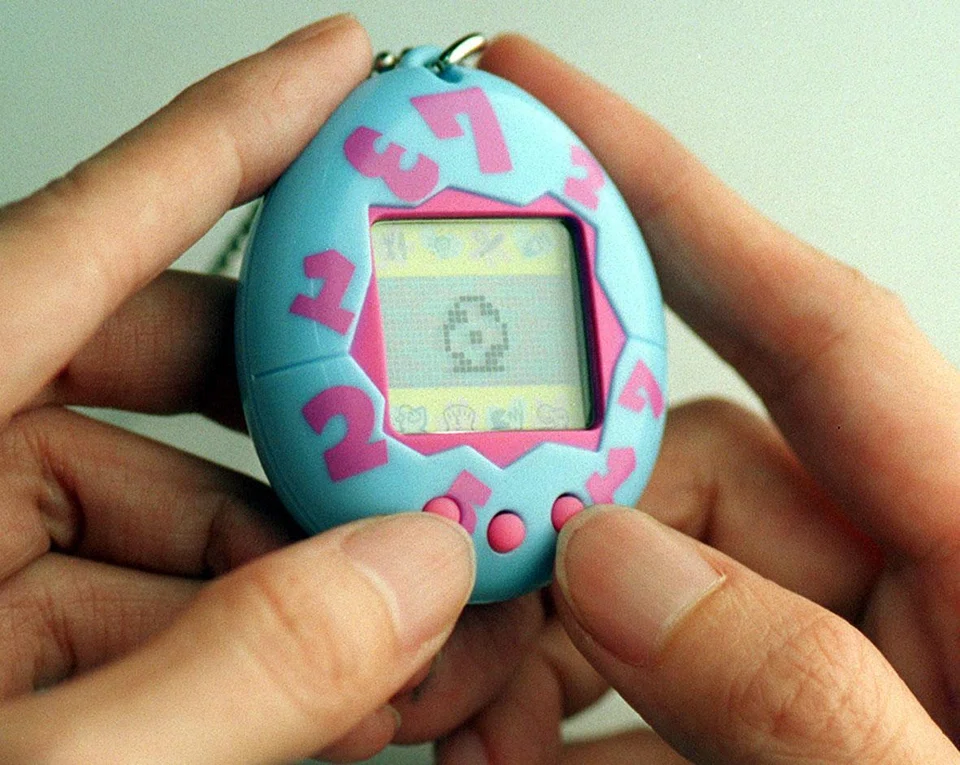

IF THE sound of someone chirping “uh-oh” triggers an ICQ-embedded Pavlovian response in you, congratulations. You are a millennial in a new golden age, getting a second, glorious stab at the totems of your youth.
The original Tamagotchi models are being re-released in 2026 for their 30th anniversary, the 2001 TV series Scrubs was revived earlier this year and Backstreet Boys are going strong in their Las Vegas residency.
It is difficult to quantify the resurrection of these cornerstones of the 90s and early 2000s, but their proliferation has been impossible to ignore, like the comeback of skinny jeans.
As a millennial myself, I eagerly anticipate the Baywatch reboot next year, just so I can caterwaul along to its iconic theme song while lifeguards run in improbable slow motion on the beach. (“Some people stand in the daaaaaarkness/Afraid to step intoooooo the light.”)
This might look like the market lazily recycling intellectual property for middle-aged wallets through projects green-lit by middle-aged millennial executives – and so what if it is?
The numbers certainly make sense – in the US, the epicentre of this remake-and-reboot boom, millennials overtook baby boomers as the largest generation in 2019. Members of the cohort, which spans the ages of 30 to 45, are increasingly key decision makers at work and at home.
Self-soothing pursuits
The demographic cash-grab aside, this phenomenon of millennial nostalgia is also thriving as a genuine coping mechanism.
Gen X got to reap some of the Baby Boomers’ vestigial bounty, when owning a car or a home was less laughably out of reach. Gen Z, on the other hand, has been braced since adolescence for future bleakness by the pandemic and climate change.
For millennials, however, adulthood mutated into something overpriced and overrated in real time. Just as we joined the workforce, the hyper-digital age and 2008 financial crisis caused disruptions that unmoored us before we’d even set sail.
Today, some of us remain frozen in nascency. In the US, the median age of first-time homebuyers reached 38 in 2024 – an all-time high. And in Singapore, a greater proportion of men and women aged 30 to 39 were single in 2025, compared to in 2020.
Hence, commercial nostalgia is a consolation prize for some of us. If the adult hardware of a house and children have become too arduous to attain, we might as well collect new iterations of our childhood software – my generation accounts for 74 per cent of the economic impact of Toy Story, now in its fifth iteration.
Our nostalgia, a sign of both economic compromise and recovery, is also a mental retreat. As teenagers, we watched wide-eyed on Sep 11, 2001, as the world that we were poised to enter darkened irreversibly overnight.
In the years that followed, the world only seemed to grow more overcast – technologically and geopolitically. So, many of our diversions are the fun and games of yore, because so little in the present is fun and games anymore.
It’s true that some millennials have clawed back lost economic ground – more are joining the ranks of affluent banking customers in Singapore.
But in these times, all we can do is keep our Tamagotchi pets alive, even if robots might kill us all eventually. Marketers, hit me baby, one more time.
TRENDING NOW

Government to bring forward raising of retirement age, give employers more financial support to create flexi-load jobs

Indonesia stocks suffer worst plunge in nearly 30 years as MSCI proposes standalone status

If Europe goes to war, the fallout will be felt in East Asia

Natural gas to stay for the long haul beyond 2050: Singapore International Energy Week panellists

