Trump vs Powell: Who emerged as victor in their high-stakes battle?
In the immediate battle of wills, the Federal Reserve chair has won, but the war over monetary policy independence continues
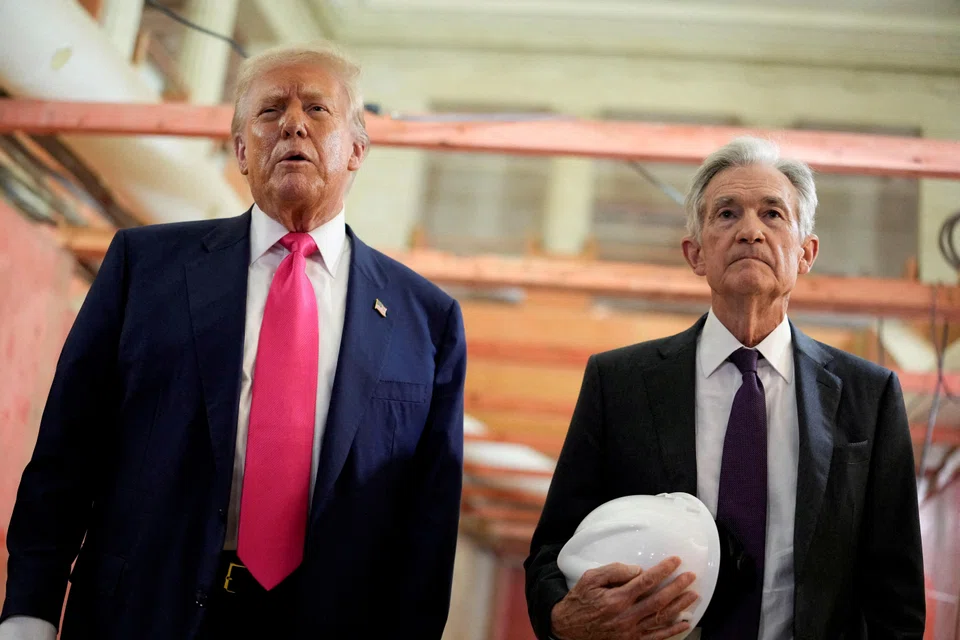
THE extraordinary public confrontation between US President Donald Trump and Federal Reserve chair Jerome Powell reached a dramatic crescendo in late July 2025, culminating in an unprecedented presidential visit to the Fed’s headquarters.
After months of escalating tensions over interest rates and Fed independence, the question remains: Who won in this high-stakes institutional battle?
The conflict between Trump and Powell centres on two fundamental issues: The Fed’s monetary policy decisions, and the central bank’s jealously guarded independence from political interference.
Trump has consistently pressured Powell to cut interest rates more aggressively, while the latter has maintained the Fed’s data-driven approach to monetary policy, refusing to bow to political pressure.
The stakes could not be higher. Trump’s economic agenda, including his ambitious tariff plans, depends heavily on lower borrowing costs to stimulate growth.
Meanwhile, Powell faces the delicate task of managing inflation expectations while preserving the institutional credibility that has taken decades to build.
The most visible clash occurred during Trump’s Jul 24 visit to the Fed headquarters, the first such presidential visit in nearly two decades.
What was supposedly a tour of the Fed’s US$2.5 billion renovation project quickly devolved into a public sparring match between the two leaders.
The confrontation was telling in its details. Trump challenged Powell’s figures on renovation costs, claiming they had ballooned to US$3.1 billion, only to have Powell fact-check him in real time.
This moment captured the broader dynamic: Trump using public pressure tactics while Powell maintained his institutional authority through facts and procedural correctness.
Trump has succeeded in several key areas. He has maintained his aggressive public pressure campaign without crossing certain red lines that would trigger market panic. His decision to indicate he would allow Powell to serve out his term, while continuing to criticise him, demonstrates a calculated approach that maximises pressure while minimising systemic risk.
The president has also successfully kept interest rate policy in the public discourse, using his bully pulpit to frame the debate around economic growth versus Fed caution. His renovation cost criticism, while factually incorrect, allowed him to position himself as a fiscal watchdog questioning bureaucratic spending.
However, Powell appears to have emerged with the stronger hand. Multiple indicators suggest the Fed chair has successfully defended institutional independence while maintaining market confidence. His refusal to resign despite unprecedented presidential pressure sends a powerful message about the Fed’s autonomy.
Perhaps most significantly, Powell has managed to maintain credibility with financial markets and international observers. His calm, fact-based responses during public confrontations contrast sharply with Trump’s more emotional approach, reinforcing the image of the Fed as a steady, professional institution.
Their battle illuminates fundamental questions about the balance between democratic accountability and technocratic expertise in economic policymaking. Powell’s victory in defending Fed independence may prove temporary if political pressure continues to mount, or if economic conditions deteriorate.
For now, Powell has successfully navigated the most intensive presidential pressure campaign in modern Fed history while maintaining institutional credibility. In the immediate battle of wills, the Fed chair has emerged victorious, but the war over monetary policy independence continues.
All eyes are trained on potential replacements for Fed governor Adriana Kugler, as observers say the next person could well become Powell’s successor next May.