

Trump’s tariffs didn’t shatter the global economy
Governments and businesses adjusted and adapted
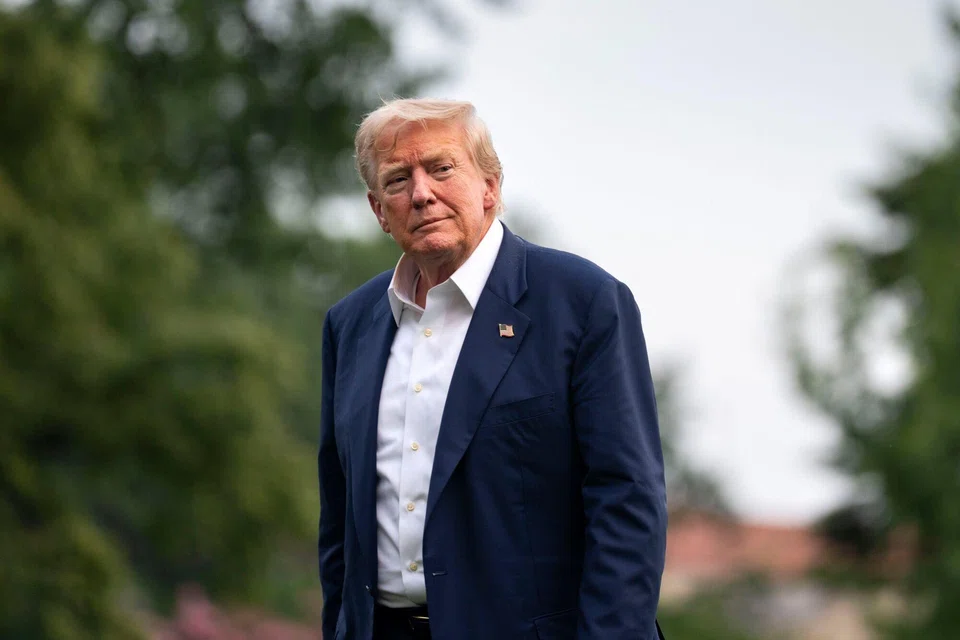
WHEN US President Donald Trump announced sweeping tariff measures in early 2025, including a 10 per cent universal tariff and higher reciprocal tariffs on major trading partners, economic forecasters painted dire scenarios, including a major reduction in US economic growth and the triggering of stagflation.
Yet several months into the tariff policy implementation, with the effective rate rising to 15 per cent, the American and global economies have shown extraordinary strength. The tariffs have undoubtedly caused disruptions and imposed costs but the catastrophic collapse many predicted has not materialised.
Economic models initially projected severe consequences. The Penn Wharton Budget Model estimated Trump’s tariffs would reduce gross domestic product by about 8 per cent and wages by 7 per cent. JPMorgan raised the probability of a global recession from 40 per cent to 60 per cent.
However, these projections assumed static conditions without accounting for the dynamic responses that have occurred. Indeed, a complex mix of economic factors, policy adjustments and global adaptations produced a much more nuanced picture.
While the tariffs represented the largest tax increase since 1993, generating an estimated US$171.1 billion in federal revenue, the global economy has demonstrated greater adaptability than many models anticipated.
The Trump administration has shown unexpected flexibility in implementation. Instead of strictly applying all announced tariffs simultaneously, the administration took strategic pauses and applied exemptions.
Energy resources from Canada received lower 10 per cent tariffs instead of the full 25 per cent, and various sectors received provisional reprieves. This restrained approach has allowed markets time to adjust.
Businesses also demonstrated remarkable far-sightedness by rushing products into the US before tariffs took effect. This front-loading of imports created buffers that cushioned the immediate economic shock through advance planning.
Flexibility, restraint and calmness
While Trump announced universal tariffs, the actual implementation has been more targeted. Many of the most severe measures have been postponed, altered or applied with exemptions. The gap between rhetoric and reality has created breathing space for economic adjustment.
Governments and businesses have developed alternative trade relationships and supply chains that reduce dependence on any single market. This variation has acted as a shock absorber and allowed trade to flow through different channels.
The negative impact of the tariffs has been counterbalanced by surging investment in artificial intelligence and government economic stimulus via large tax cuts.
And, unlike previous trade wars, many governments have shown restraint in implementing retaliatory measures, preferring diplomatic negotiation over immediate escalation. This has prevented the kind of tit-for-tat tariffs that could have inflicted economic damage globally.
Financial markets have also played a crucial stabilising role. Rather than panicking, investors have largely viewed the tariff threats as negotiating tactics by the Trump administration rather than permanent policy shifts. That prevented the kind of currency instability that could have ignited wider economic crises.
The relative calm in financial markets has been self-reinforcing, as stable markets have supported business confidence and investment decisions. Businesses have been more willing to endure short-term tariff costs rather than make sweeping strategic changes for what they perceive as temporary policy measures.
Moreover, the global economy entered this period with several structural advantages. Most developed economies had robust employment levels, providing consumer spending power to counterbalance some tariff-related price increases and countering inflationary pressures. At the same time, decades of globalisation created multiple conduits for goods and services.
Full impact still unfolding
However, this should not minimise the real costs and risks associated with the tariff policies. The measures have imposed genuine costs for consumers through higher prices, disrupted business relationships and created ongoing uncertainty. That may discourage long-term investment.
The Peterson Institute for International Economics, for instance, found that while outcomes were “less severe than originally implied”, the tariffs still “significantly reduce US and global economic growth and increase inflation”.
Moreover, the full impact may still be unfolding. Economic disruptions often have delayed effects. The current strength could prove to be temporary if tariffs become permanently entrenched in the trading system or if they do produce more aggressive retaliation by other governments.
While the direst predictions have not materialised, this should not be interpreted as vindication of protectionist policies. Instead, it demonstrates the remarkable adaptability of contemporary economic systems and the importance of analysing the impact of trade policies through a more nuanced lens.
While tariffs do impose real costs and create genuine disruptions, developed economies moulded during the era of globalisation possess significant capacity for adaptation and adjustment.
TRENDING NOW

Two Singapore-listed palm oil firms named in Greenpeace report on Indonesian plantation fires

Singapore Airlines flight returns to San Francisco after ‘unruly’ passenger incident

Singapore looking into which companies responsible for haze-causing fires: PM Wong
Deluge IPO 3.86 times subscribed ahead of SGX debut

