Two cheers for multipolarism: a mediating role for China in Ukraine could benefit all
The US need not view global diplomacy as a zero-sum game
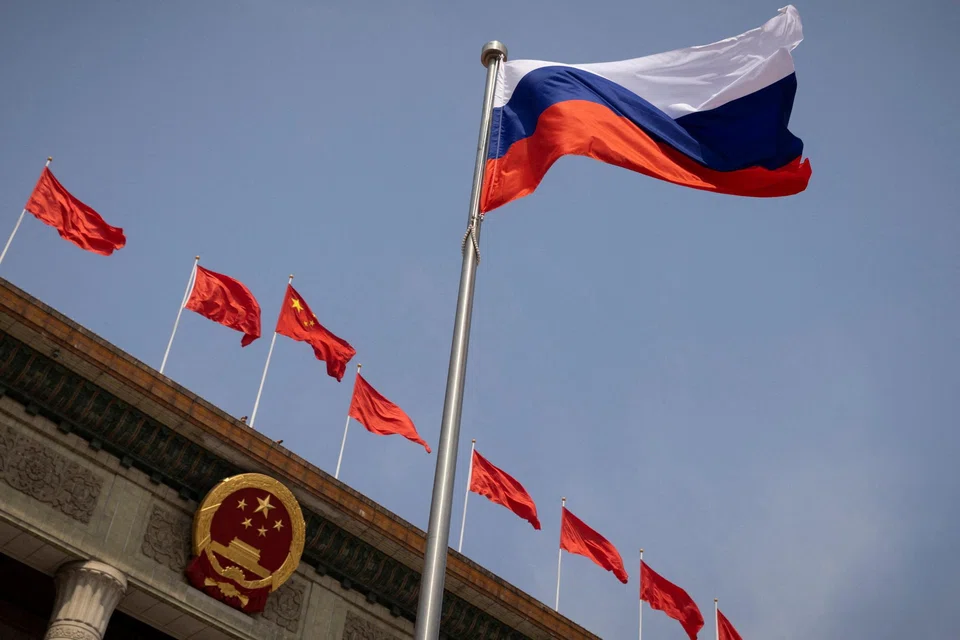
IN THE aftermath of China’s successful effort to broker a diplomatic deal between Saudi Arabia and Iran in March, members of the US foreign policy establishment expressed concern that the move challenged America’s hegemonic position in the Middle East.
China’s diplomatic coup ignited a lot of talk in Washington about America “losing the Middle East” and China’s supposed attempt to replace the US as the dominant power in the region. There, the US has been the leading global player since World War II, controlling access to oil resources in the Persian Gulf and managing the Arab-Israeli peace process.
Those fears, in turn, reflected the established wisdom among officials, lawmakers and pundits regarding the evolving geostrategic competition between Washington and Beijing.
The Middle East has become just another arena where that competition, the so-called new Cold War, is taking place – and where China, after promoting the Saudi-Iranian detente, has won a diplomatic round, while the US has lost one.
Win-lose thinking
This has been part of a wider discussion of America’s changing global position. The US seems to have lost the unipolar status it had in the aftermath of the Cold War. Now, it faces a changed international system dominated by multipolarity, and a bunch of competitive global powers such as China, Russia, India and the European Union.
Much of this discussion tends to assume that this competition is a zero-sum game: where a win for, say, China is by definition a loss for the US. America is seen as bound to lose its pre-eminent global position, perhaps in a Big Bang event such as a war or an economic crisis – very much the way Great Britain and France ended up losing their positions as great powers to the US and the Soviet Union, following World War II.
But that does not necessarily have to be the case. Following the Napoleonic wars and the Congress of Vienna of 1814-15, the major European powers were able to create a new international system that, despite national rivalries, remained relatively peaceful for 100 years.
Each power ended up pursuing its national interest in a way that did not harm the interests of the other powers, and if anything, helped maintain the stability of the international system until its breakdown in World War I in 1914.
It is obvious that Sino-US economic and military competition poses dangers to these two powers and to the entire international system and global economy. But there is no reason why the relationship between them – as well as with Russia, India, the EU and other rising powers – cannot be managed in the long run.
Most importantly, there is no reason why a win for one side should necessarily translate into a loss for the other side.
Everyone wins
Take the Saudi-Iran deal brokered by China. Its benefits are obvious: the conflict between two of the world’s major energy producers, Sunni Saudi Arabia and Shi’ite Iran, and their regional partners amounts to a major threat to the stability of the Middle East. A possible war between the two could endanger the access of the world’s economies to the oil resources in the Persian Gulf.
Moreover, the rivalry between the Saudis and the Iranians has already helped ignite regional conflicts, including in Yemen. There, a civil war involving the respective partners of Riyadh and Teheran has resulted in the deaths of at least 300,000 people, and a famine that engulfed the country.
The US does not have diplomatic relations with Iran, which it regards as a strategic adversary and on which it has imposed economic sanctions to force and end to its military nuclear programme.
The US was therefore in no position to play the role of mediator between Saudi Arabia and Iran. But China, which maintains close diplomatic and economic ties with both Riyadh and Teheran, could try to help reach a deal between the two – and it did.
Did that amount to a loss for the US? Not at all.
The US, like the rest of the world, benefits from the reduction of the tensions between the two Persian Gulf powerhouses. It could certainly applaud the steps taken to end the bloodshed and destruction in Yemen and avert other potential conflicts between Shi’ites and Sunnis in the Middle East.
Do not expect the relationship between the Saudis and the Iranians to resemble those between Canada and the US, or between France and Germany. But China has helped to provide an international public good that could also benefit the US, at least in the short run. Two cheers for multipolarism!
This explains why there is now so much talk about China playing a similar role in trying to broker a ceasefire between Russia and Ukraine that could lead to a pause in the war and perhaps some sort of a diplomatic deal.
The Chinese seemed to have played their diplomatic cards right with Ukraine. They resisted the pressure to join the US and its Western allies in imposing diplomatic and economic sanctions on Russia. While maintaining a friendship with Moscow, they refrained from providing direct military support, and even from expressing support for Russia’s decision to invade its neighbour.
At the same time, the war in Ukraine has harmed Chinese diplomatic interests. It has exacerbated existing tensions with the US and made it difficult for Beijing to improve economic ties with the Europeans, who believe that Russia’s invasion of Ukraine threatens their core interests. Ending the war is therefore in China’s interest.
The war in Ukraine has reached a military and diplomatic stalemate of sorts. There are no signs of progress as far as Ukraine’s counteroffensive is concerned. Ukrainian President Volodymyr Zelensky recognises that there are limits to his ability to extract Western support – the Americans have rejected his request to join Nato, and US support would certainly be threatened if Donald Trump becomes the next president.
At the same time, Russia’s chances of defeating Kyiv any time soon seem remote. The costs that the Russians – and President Vladimir Putin personally – are paying for their aggression in Ukraine are only rising, as its effort to divide the Western alliance continues to fail.
Both Ukraine and Russia, notwithstanding their bombastic rhetoric, would probably welcome a ceasefire.
Against this backdrop, a Chinese diplomatic initiative in Ukraine – if handled and marketed properly – should be welcomed by the two combatants, by the Western powers, and by other players, not least members of the so-called Global South, the economies of which have been hit by the war.
This would be another global public good that would benefit all concerned, demonstrating that multipolarity can promote international stability.