

The unravelling: Trump’s eroding coalition and the Republican Party’s reckoning
His job approval has fallen to 36 per cent, with disapproval reaching 60 per cent
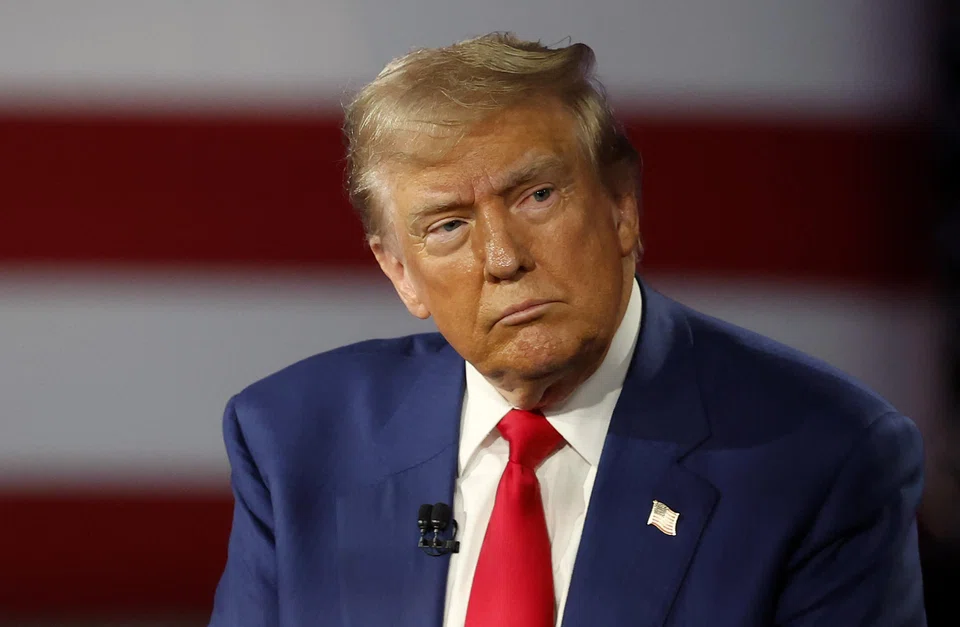
[SINGAPORE] Less than a year into his second term, US President Donald Trump confronts a political reality that would have seemed unthinkable during his 2024 victory: his approval ratings have collapsed to levels rivaling the darkest days of his first presidency.
Recent Gallup polling shows Trump’s job approval has fallen to 36 per cent, with disapproval reaching 60 per cent – a stark reversal from the electoral coalition that returned him to power.
The numbers tell a story of a fracturing base. Among Republicans, approval has plummeted from 91 per cent at his inauguration to just 79 per cent, representing a 12-point erosion within his own party. More troubling for the GOP’s 2026 midterm prospects, independent voters have soured dramatically, with approval dropping to just 25 per cent. These are not marginal shifts – they represent a coalition coming apart at the seams.
The causes are multiple and compounding. The historic government shutdown, which stretched for over six weeks, appears to have been a watershed moment. What was supposed to demonstrate resolve instead revealed dysfunction, with federal workers missing pay cheques and essential services grinding to a halt. Even among Republicans typically willing to give Trump the benefit of the doubt, approval of his government management fell from 81 to 68 per cent during the shutdown. Economic anxiety has emerged as another major pressure point. Despite Trump’s campaign promises to tame inflation and strengthen the economy, Republican approval of his economic handling has declined from 90 per cent in January to 79 per cent by August. His signature tariff policies fare even worse, with Americans sceptical they will help the economy. These economic concerns hit particularly hard among the younger and Hispanic voters who helped deliver Trump’s 2024 victory but have since reconsidered their support.
The implications for the Republican Party are profound. Congressional Republicans have seen their own approval among GOP voters crater from 53 per cent in March to just 23 per cent, despite maintaining near-total loyalty to Trump’s agenda. This presents a cruel paradox: Republican lawmakers have subordinated their political interests to Trump’s priorities, yet find themselves unpopular with their own constituents while the president himself slides in the polls.
Historical comparisons offer little comfort. Trump’s current approval sits well below the norm for second-term presidents at this stage, approaching his all-time low of 34 per cent recorded in the aftermath of Jan 6, 2021. With the 2026 midterms looming and Republicans defending a slim House majority, the trend lines point toward potential disaster.
The question now is whether this represents a temporary rough patch or a more fundamental realignment.
Republican pollsters noted that Trump’s core base remains largely intact, suggesting his grip on the party has not fully loosened. But the defection of independents and the erosion even among Republicans signal that the coalition that powered his return may not be sustainable.
For a party that has organised itself entirely around one man’s political fortunes, that is a sobering realisation – and one that may come too late to prevent significant electoral losses in 2026.
TRENDING NOW

Could stablecoins be the future of money?

Once staunchly pro-China, Malaysian Chinese businesses are now distancing themselves from Beijing

Global expertise and tailored solutions: How affluent S’poreans can grow and manage wealth across markets

GIC-backed Bank Jago sees wealth management as next growth engine as Indonesian investor base grows

