US-China relations: Between confrontation and transaction
Are the China hawks losing ground?
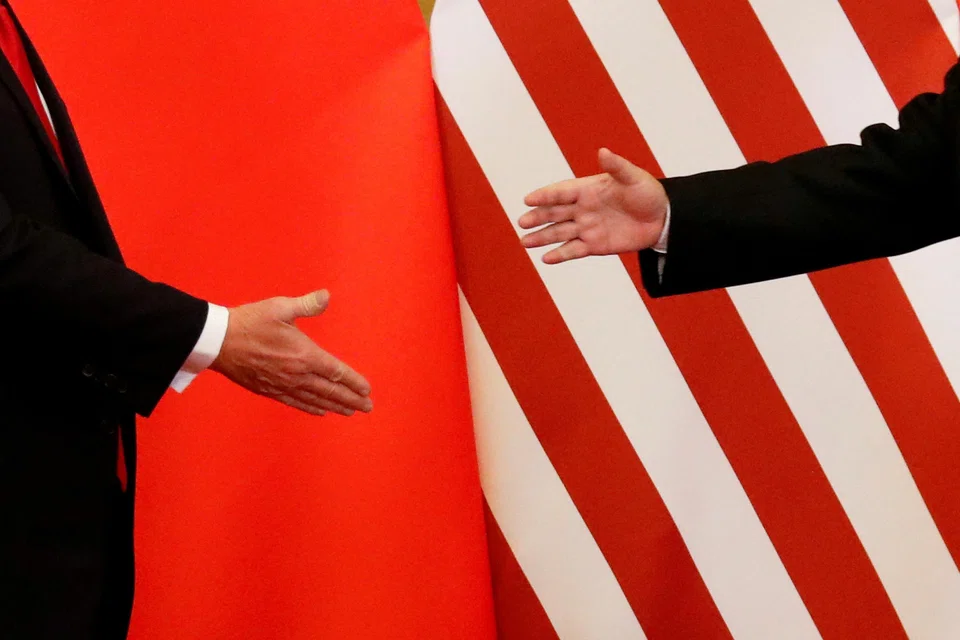
THE return of Donald Trump to the White House in January has ushered in a new chapter of Sino-American relations marked by aggressive economic policies, strategic unpredictability and a pattern of escalation followed by tactical negotiations.
Six months into his second presidency, Trump’s approach to China has proved both more confrontational and more transactional than many observers anticipated. And there are now signs that his administration is starting to reassess its moves.
Trump signalled a hard line on China with hawkish Cabinet picks, including Secretary of State Marco Rubio and National Security Advisor Michael Waltz. He also wasted little time in implementing his campaign promises on China trade policy.
Within weeks of inauguration, the administration launched what many economists dub the most aggressive trade war in recent history. On Feb 1, Trump signed an executive order imposing an additional 10 per cent tariff on imports from China. Starting in April, Trump imposed a minimum 10 per cent tariff on nearly everything the US imports, although goods from China faced a higher tariff of 34 per cent.
The administration’s broader China strategy plans to fundamentally restructure economic ties between the two nations. Trump pledged to revoke China’s preferential trade status and had threatened at least 60 per cent tariffs on Chinese imports during his campaign, signalling a departure from decades of economic engagement and the start of a process of decoupling.
Beyond trade, the Trump administration is also expanding restrictions on Chinese ownership of American assets. The president has said he will pressure Chinese companies to sell holdings that threaten national security interests. This encompasses farm land, natural resources, technology companies and ports.
These moves represent a broader shift towards viewing the trade relationship through national security lenses, promoted by the China hawks in office. Economic competition is being framed as a matter of strategic rivalry rather than mere trade disputes.
Despite the aggressive opening moves, Trump’s second term has also demonstrated his willingness to pull back from maximum pressure when it serves his interests.
In mid-May, Washington reached an agreement with Beijing to lower tariffs dramatically and open some markets that both sides had closed off as tensions rose. Tariffs on Chinese imports fell to 35 per cent from 145 per cent – a historic level reached in April following retaliatory hikes.
That dramatic reduction demonstrated Trump’s transactional approach to international relations. The 90-day suspension of the heaviest tariffs has created space for ongoing negotiations, with both sides apparently recognising the economic costs of sustained pressure.
US companies have faced particular challenges adapting to the volatile policy environment. The clash has also seen China retaliating through restrictions on critical minerals and magnets needed by US factories.
Some sectors have received temporary relief, with the administration exempting certain technology products from the harshest tariffs, but many businesses report difficulties with long-term planning amid policy uncertainty.
Trump’s confrontational approach extended beyond China to traditional allies, potentially reshaping regional dynamics in Asia. By pressuring Canadian, Mexican and European partners, his administration has created opportunities for China to strengthen relations with countries seeking alternatives to US partnerships.
The unpredictability of Trump’s approach has forced some regional powers to recalculate their strategic positions, with some hedging their bets between the two superpowers rather than aligning clearly with the US.
The rising costs of a growing confrontation with China has led to the reassessment of these policies in Washington. Most intriguingly, the Trump administration reversed its position on technology controls, notably allowing Nvidia to sell lower-level artificial intelligence chips, the H20, to China this month after banning such sales in April.
Some suggest that this dramatic about-turn from the administration’s initial hardline stance may reflect the eroding power of the China hawks in the administration, including personnel changes.
Alex Wong, a known China hawk and former deputy national security advisor, has been reassigned to another role, and the State Department has shuttered the team involved in South China Sea security.
These changes appear tied to Trump’s broader diplomatic strategy. Some in Washington are speculating that he may be angling for a Chinese trip as he courts a more assertive China.
But it is doubtful that the administration is planning to reset the relationship with China through direct engagement rather than continued confrontation.
In a way, several patterns have emerged in Sino-American relationships under Trump. The administration appears committed to using economic pressure as its primary tool for reshaping the relationship, but remains willing to negotiate when faced with economic or political costs at home.
The relationship is now defined by cycles of escalation followed by tactical compromises, reflecting Trump’s preference for dramatic gestures and dealmaking. Still, neither side appears willing to accept a return to the pre-2016 status, suggesting that heightened tensions and economic competition will remain defining features of US-China relations.