

Want to be president? Start bashing China
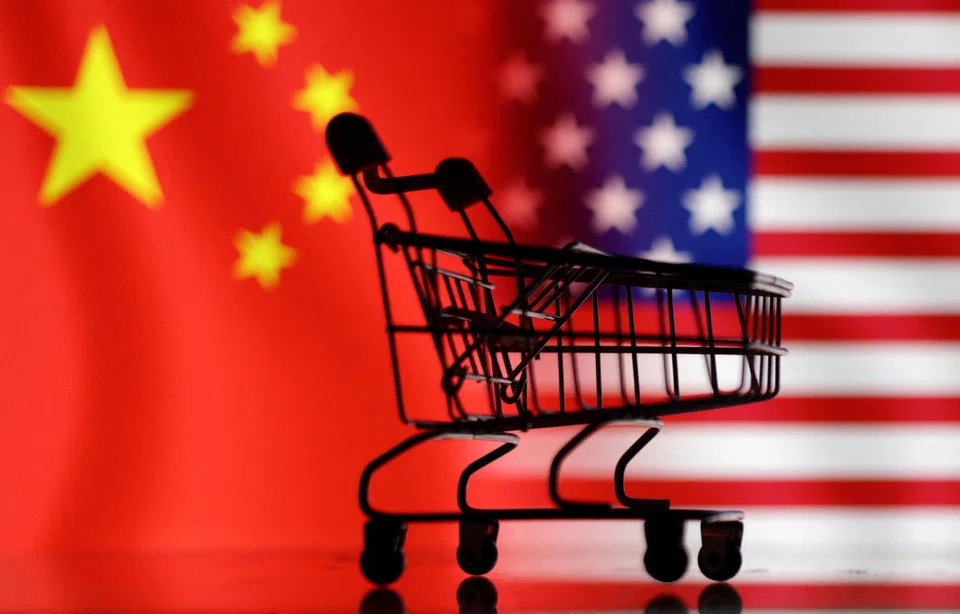
I HAVE covered several US presidential election campaigns for The Business Times, and while every race to the White House was very unique in terms of the personalities involved and the themes being discussed, there has been a certain consistency over one issue: China as a target for the leading candidates.
Or to put it differently: It’s the presidential race, so it’s time for some China bashing.
It’s certainly very much the case this year, as Democratic President Joe Biden and Republican presidential candidate Donald Trump are clashing over who can be tougher on China. This year it is about which of the two White House rivals can impose higher tariffs on Beijing.
President Biden has launched the China-bashing season by announcing early this month that he would apply new tariffs on US$18 billion of Chinese goods.
The president’s announcement was made as part of an effort to win the support of blue-collar workers who are especially sensitive to trade issues in the industrial states of Pennsylvania, Michigan and Wisconsin – central battlegrounds in the November election.
Not to be left behind, Candidate Trump pledged to, if elected for a second term, target Chinese goods with tariffs of 60 per cent or even more – a level higher than the rate he set in the economic battles with Beijing during his presidency in 2018.
“My predecessor promised to increase American exports and boost manufacturing,” President Biden said when announcing the tariffs on China, adding: “But he didn’t do either. He failed.”
Before heading into a Manhattan courthouse where his hush money trial is being held, Trump made a point of attacking President Biden for not going far enough in targeting China trade. “China’s eating our lunch right now,” he said.
From the perspective of the trade wars with China, both candidates embrace aggressive populist and economic nationalist messages, competing for the title of the protector of American jobs. This is not a political season when you want to look weak, and bashing China makes you look strong.
Ironically, or not, Candidate Biden was very critical of then President Trump’s China trade policies before the 2020 election, attacking the extensive tariffs the latter imposed on US$300 billion worth of Chinese imports.
But subsequently President Biden declined to eliminate President Trump’s tariffs and indeed has imposed new ones on, among other sectors, semiconductors and metals – the message being: “I am even more of a protectionist than my rival.”
President Biden’s aides insist, however, that his approach to China trade is more strategic than that of president Trump, with the goal being to protect domestic manufacturing from Chinese competition. They say that the president has struck the right balance in managing trade relations with China.
Or as US trade representative Katherine Tai put it, this was about “the need for the US to defend our rights” in dealing with China.
What about the danger that the tariffs on Beijing would add to inflationary pressures in the future? Or that, over time, the tariffs could force US companies to raise prices, which would hurt consumers? Or that the tariffs could make electric cars more expensive for Americans?
Don’t expect either candidate to raise such questions during this presidential campaign when the logic of politics overwhelms that of economics.
TRENDING NOW

Two Singapore-listed palm oil firms named in Greenpeace report on Indonesian plantation fires
Singapore Airlines flight returns to San Francisco after ‘unruly’ passenger incident

Singapore looking into which companies responsible for haze-causing fires: PM Wong
Deluge IPO 3.86 times subscribed ahead of SGX debut

