

The Warsh doctrine is ill-suited for a fading Thailand
Central bank chief Vitai Ratanakorn has a broad ambit for the central bank; he wants to reform the Thai economy
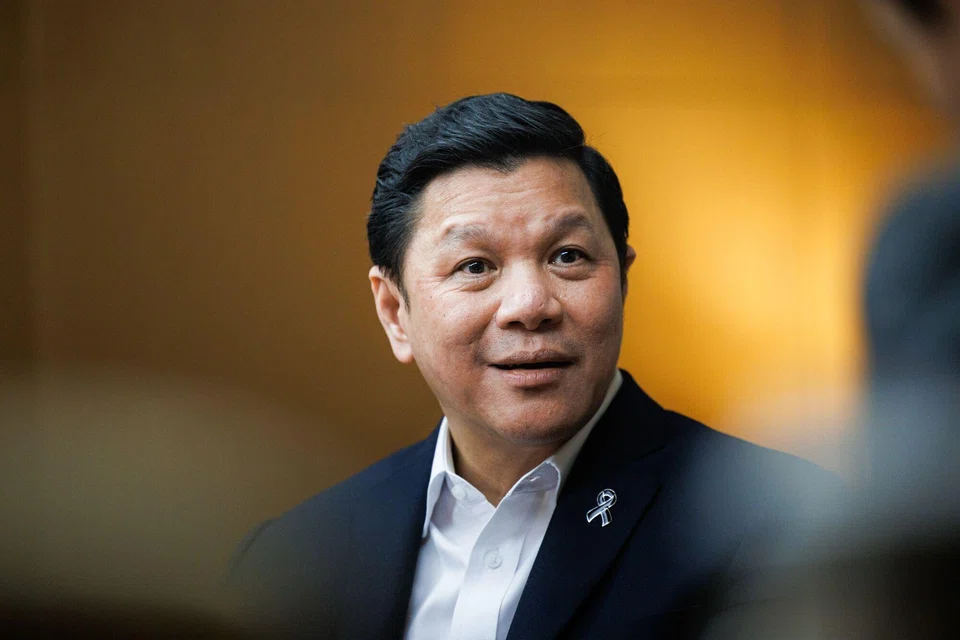
YOU could call the head of Thailand’s central bank the anti-Kevin Warsh.
As officials in major economies shy away from anything other than the basics of controlling inflation and boosting employment, Vitai Ratanakorn is willing to tackle broader problems.
To succeed, he will need good fortune – and the indulgence of politicians who gave him the job.
The wider scope is refreshing, but fraught. Monetary bosses, chastened by the post-Covid price surge that caught them off guard, are taking care to stick to their basic mandates.
Few will talk loudly about climate change, for example, much less equality in the labour market or state craft. Warsh, who became Federal Reserve chair in May, wants a smaller footprint.
He is fond of reciting the exact number of months that inflation has exceeded the Fed’s target, even if he has fallen short on articulating exactly what he intends to do about it.
The world’s most powerful economic agency needs to stick to its knitting, so the argument runs. And that is fine for good times, or maybe for when the hole is so deep someone finally tries to stop digging.
The Bank of Thailand might as well be on a different planet. Inflation was below the mid-point of Bangkok’s 1 to 3 per cent target for most of the past few years.
Only recently has it picked up, reflecting the oil shock from the US-Iran war. The prospect of returning to unacceptably low levels is real, and a spell of deflation cannot be dismissed.
Neighbours such as Malaysia, Singapore and Vietnam have recorded impressive economic growth, while Thailand has felt increasingly stagnant.
Appointed last year by a government that made no secret of its desire for rate cuts, Vitai delivered two reductions. That might not sound like a lot, but it does mean borrowing costs are among the world’s lowest.
At 1 per cent, the main rate is the same as in Japan, which wrestled for decades with stagnation. Times have changed: The Bank of Japan is steadily hiking and now deals with conventional problems like inflation and a weak yen.
Reforming Thailand’s economy
That does not mean Vitai’s work is done. In some ways, Thailand resembles the Japan that struggled for a generation after a property bust and banking crisis.
Once a star in South-east Asia, the kingdom never really got its mojo back after sparking the region’s financial collapse in 1997.
Productivity is sub-par, household debt is substantial, and access to credit is unequal. The birth rate has plummeted as well; the country of 66 million has become old before growing rich.
What are monetary bosses to do about all this? Do they stick to what they do best – or engage on issues that slower-moving political machinery finds tough?
Vitai, who has a background as a business executive in a government savings bank and a low-cost carrier, leans towards an activist approach.
“If we don’t act, structural problems will continue to weigh on growth,” he told Bloomberg News in an interview. “Cutting interest rates can stimulate demand, but it can’t fix the economy’s declining potential growth.”
He is determined to talk about issues such as sub-par productivity, high levels of household debt and unequal access to credit and, if he can, nudge stakeholders towards solutions.
The governor has also said that a weaker currency can support exports and tourism. The latter, which accounts for around 12 per cent of gross domestic product, has found the going difficult after the pandemic.
Vitai is planting himself on one side of the debate about what central banks should look and sound like in the 21st century. These powerful institutions, which tend to get drafted into expansive roles in times of duress, can arrive on the scene quickly.
In the process, they risk getting dragged into political tussles or trampling on the turf of lawmakers. Warsh says the Fed has become bloated and taken on too many tasks while failing to bring inflation down to a comfortable level.
An expanded role of central banks?
But there are sound reasons for monetary officials to take a wider perspective.
The global economy, and the strategic environment that it must contend with, is almost unrecognisable from the era during which most central banks were established. And they tend to get more chores thrust upon them over time, whether they like it or not.
Throughout history, officials have served national interests in creative ways. The Bank of England financed wars against France. Bank Negara Malaysia owned a big stake in the national airline. Its counterpart in Indonesia has helped break cartels inflating the price of chillies.
Civilian administrations in Thailand, like the current one, tend to come and go. The country has endured more than a dozen military coups since the end of the absolute monarchy almost a century ago.
There is little downside in Vitai’s advocacy of a comprehensive agenda; someone needs to carry the baton for economic reform.
But if problems pile up, he could find himself under fire. He enjoys the favour of the present government led by Prime Minister Anutin Charnvirakul, a conservative pro-royalist.
But future leaders may have a diminished appetite for what might be called freelancing. That danger can be minimised by sticking to economic issues and not venturing deep into the social realm.
Warsh pitched himself for the chairmanship by pledging a slimmed-down Fed. Vitai has his own ideas on regime change – in the opposite direction. It is worth giving him a hearing. Thailand’s problems are not going away. BLOOMBERG
TRENDING NOW

Once staunchly pro-China, Malaysian Chinese businesses are now distancing themselves from Beijing

Looking beyond looming CEO succession, should UOB potentially pursue a transformative merger?

Could stablecoins be the future of money?

Grab CEO’s wife Chloe Tong on life with Anthony Tan and finding her purpose

