
Warsh is talking like a hawk. But he might not be ready to deliver a rate hike
The Fed Chair signalled at Jackson Hole that inflation is still too high. But his next move is unclear
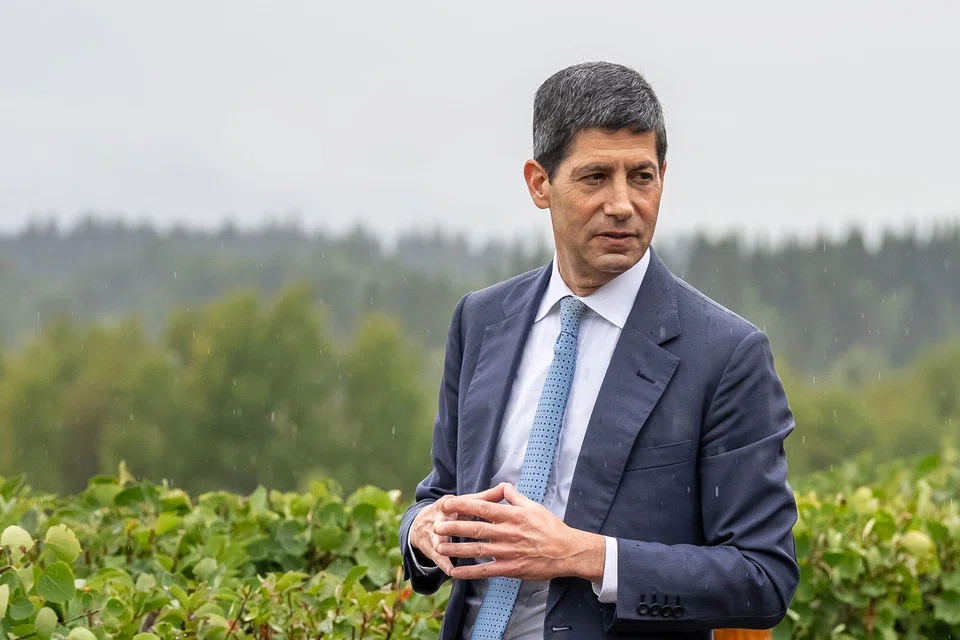
WHEN Kevin Warsh took the US Federal Reserve’s chair in May, he promised a return to an older style of central banking: fewer speeches, less hand-holding and more “constructive ambiguity”.
Nearly five months later, as the Fed heads into its Sep 15 to 16 meeting, that vagueness has become the central story of American monetary policy. And the smart money is finally starting to bet on which way he’ll break.
At Jackson Hole last month, Warsh delivered the most consequential seven minutes of his young chairmanship. He didn’t announce a rate hike. He didn’t even hint at one.
But he made clear that this summer’s softer inflation data hadn’t changed his mind about the underlying trend, and that the Fed still had work to do.
Markets, which had spent the summer pricing in a hold, flipped almost overnight. A quarter-point increase went from a long shot to a coin flip. Then, after a stronger-than-expected August jobs report, it moved to the market’s base case.
The fundamentals support the hawkish reading. US inflation remains stubbornly above the Fed’s 2 per cent target. Oil prices are creeping towards US$100 a barrel again, amid on-again-off-again Iran-related supply disruptions, threatening to feed straight into headline inflation.
And Warsh inherited a committee that was already restless: three Federal Open Market Committee members dissented in July, arguing for a hike the majority wasn’t yet ready to deliver. If Warsh wanted political cover to tighten, he now has it.
Political pressure and rhetorical strategy
But skeptics have a real case too. Some economists read Jackson Hole as more of the same rhetorical hedging Warsh has offered since day one: hawkish in tone and non-committal in substance.
US inflation data since May has, in fact, cooled somewhat, and the hiring trend has softened in the first half of 2026 – though August did see a surprise jump in numbers.
A Fed chair genuinely spoiling for a fight doesn’t usually leave that much daylight between his words and his actions.
Then there is the politics. The same president who nominated Warsh is now leaning on him, hard, to cut – not exactly a surprise, given how loudly US President Donald Trump has criticised “high rates” for years.
With midterms two months out and voters already frustrated by prices, a hike is the last headline the White House wants.
Warsh has to decide whether independence means resisting that political pressure on principle, and whether the data genuinely doesn’t support a move higher yet.
Here is the verdict: Warsh’s own language points towards tightening, but his actions so far have been more cautious than his rhetoric. That gap is either a deliberate strategy – talk tough, act only when forced – or a chairman who hasn’t yet built the consensus to match his instincts.
Given the split committee he has inherited and the specificity of his Jackson Hole warning, my expectation is that if the Fed doesn’t hike in September, it will in October or December.
Warsh sounds like a man preparing the ground for higher rates. Sooner or later, he’ll have to walk onto it.
TRENDING NOW
Grab CEO’s wife Chloe Tong on life with Anthony Tan and finding her purpose
Hwa Seng Builder, two China companies win S$1.2 billion Tuas Road Viaduct phase two contracts
Deal between tycoon friends sparks scrutiny of Philippine power sector
Canada is upping oil flows to Asia, but South-east Asia’s refineries aren’t ready to handle them yet



