Weaponised trade? The unfolding fallout of Trump’s policy
Whether his politicisation of economics is a temporary departure or a permanent approach will shape US prosperity and the global trading system for years to come
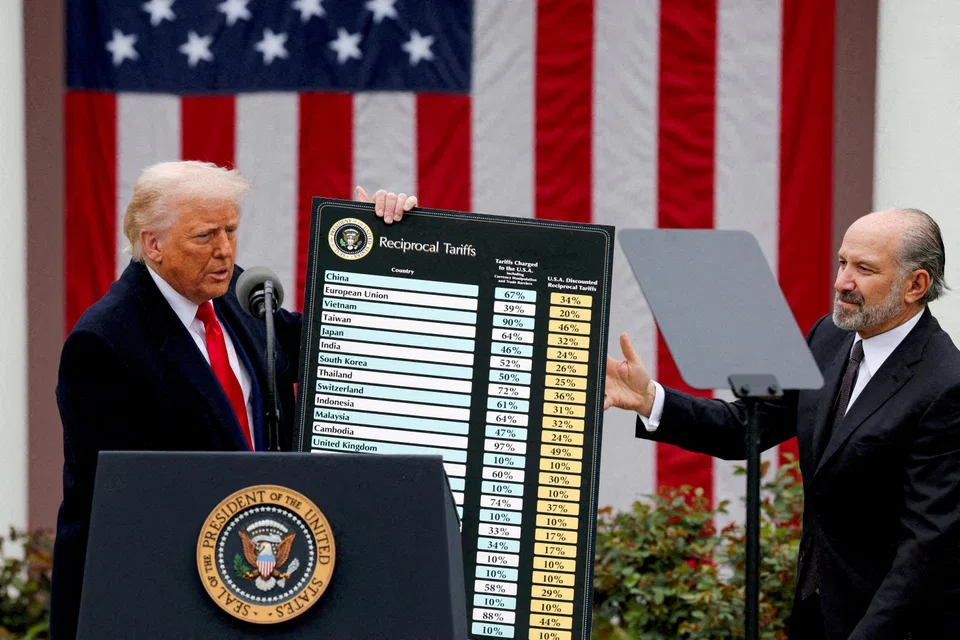
US PRESIDENT Donald Trump’s second-term trade policy marks a fundamental departure from economic orthodoxy, explicitly subordinating trade to political objectives.
Rather than treating trade policy as a purely economic domain governed by efficiency and comparative advantage, his administration is wielding tariffs and trade rules as tools of statecraft. This is reshaping the relationship between economic policy and political strategy.
Trump’s use of national emergency declarations to justify sweeping tariff measures exemplifies this politicisation. Invoking the International Emergency Economic Powers Act represents a significant expansion of executive power, transforming legislative and regulatory processes into a presidential prerogative.
By framing trade deficits as national security vulnerabilities, the administration can treat virtually any trade relationship as a security issue, moving them from the realm of economic analysis to one where different standards of evidence and justification apply.
The concept of “reciprocal tariffs” also serves a key political function. Framing tariffs as fair responses to other countries’ policies may create a narrative that resonates politically, but obscures the complex economic realities of trade relationships.
Trade policy turns into diplomatic signalling, where tariff rates become statements about bilateral relationships rather than instruments of economic optimisation. The result is a system where political considerations – such as the need to appear “tough” on specific countries – drive economic policy decisions that affect millions of consumers and businesses.
The integration of politics into trade policy creates uncertainty that undermines business planning and investment decisions. When companies cannot predict whether trade rules will change, the result is reduced economic efficiency and increased costs throughout the economy.
Ultimately, this strategy is the weaponisation of economic policy for political ends. The targeting of specific markets with disparate tariff rates – Canada at 35 per cent, Switzerland at 39 per cent, Taiwan at 20 per cent – appears disconnected from economic logic.
Instead, it aligns with political calculations of leverage, treating trade not as cooperative arrangements for mutual benefit, but as zero-sum competitions to extract concessions.
Trump’s extensive use of executive emergency powers also raises significant questions about democratic accountability. By bypassing Congress and framing trade decisions as emergency responses, the administration effectively avoids democratic oversight and debate.
This concentration of trade policy authority in the executive branch represents a significant shift in the balance of power between branches of government.
Trump’s approach therefore reimagines the relationship between politics and economics in American governance. While this strategy may offer short-term political gains, it sets a precedent that trade relationships can be rapidly reconfigured by political whim and could have lasting implications for the US economy and its international standing.
The critical question is whether this represents a temporary departure or a permanent shift towards a more explicitly political approach to global economics. The answer will significantly shape both American prosperity and the international trading system for years to come.