Welcome to a post-election inward-looking America
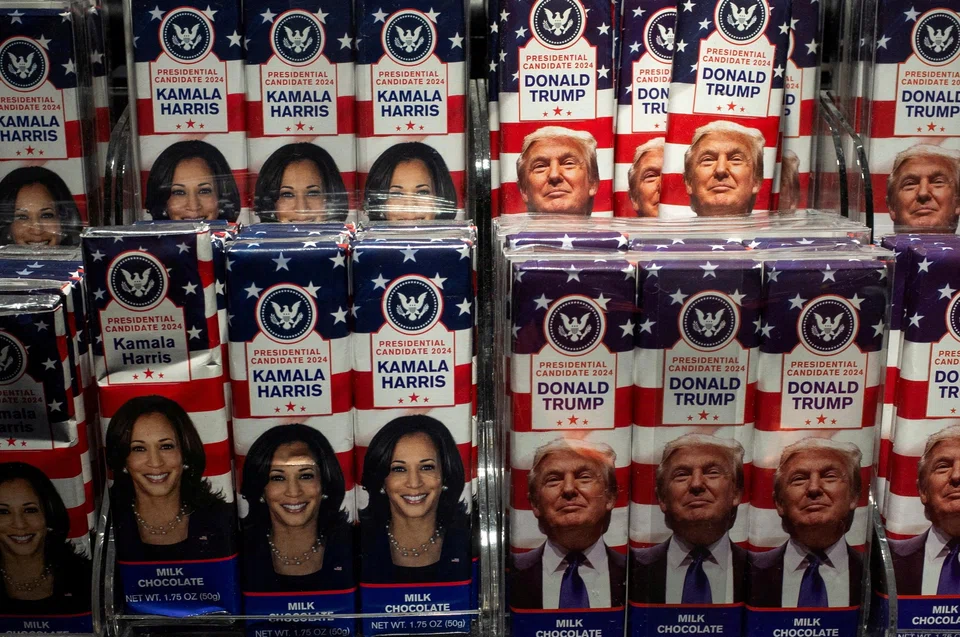
ASSUMING that we will know sometime this week who has won the US presidential election, and notwithstanding who will occupy the White House for the next four years, the world should be ready to confront a more isolationist and protectionist America.
Donald Trump has certainly made it clear that he is planning to pursue a more aggressive economic nationalist agenda, including imposing tariffs on all foreign imports from America’s trade partners.
Indeed, under a second Trump administration, the United States would cease to play the role of promoting a free-trade system. Instead it would adopt a mercantilist approach in an international economic system seen more and more as a global arena of free-for-alls between nations and economic blocs, at the centre of which would be the grand clash between a US-led trade and investment partnership and China.
There is no reason to believe that trade multilateralism would flourish under a President Kamala Harris if, as expected, she plans to re-embrace the geo-economic strategy of the current Biden administration with its emphasis on the role of the state in directing trade policies and, in particular, through a focus on China as America’s prime global economic and technological rival.
And like the populist Republicans, progressive Democrats are challenging the precepts of globalisation, and contend that the collapse of the US manufacturing sector through competition with China and other emerging economies is responsible for the problems facing America’s working class.
Trump has also challenged the conventional internationalist wisdom on foreign policy and national security. He intends to reassess US military commitments in the Atlantic and the Pacific, and insists that the time has come for US allies to use their economic resources to support their defence and not count on the US for their protection. More specifically, he is pressing the members of the North Atlantic Treaty Organization (Nato) to increase their defence budgets and contributions to the alliance, and questioning the notion that America is supposed to militarily protect Taiwan against China.
Trump, who has been very critical of US military and economic aid to Ukraine, has also made it clear that he would take steps to end the war between Russia and Ukraine in a way that would align with Moscow’s interests and, further, that Kyiv would not be able to join Nato.
Harris has asserted that as president she would continue to pursue the aggressive approach of President Joe Biden vis-a-vis a bellicose Russia.
But with Russia making steady gains on the battlefield and mounting military pressure on Ukraine, and as a sense of pessimism in Kyiv and Washington deepens about Ukraine’s prospects of victory, expect a Harris administration to take steps to reassess US commitments to Ukraine.
And don’t expect a President Harris to join Israel in attacking Iran’s nuclear sites. There is no support in Washington in the aftermath of the fiascos in Iraq and Afghanistan for new US military interventions in the Middle East.
In a way, US foreign policy under either a Trump or a Harris administration would be characterised by a sense of restraint about using American military power abroad – or, for that matter, about launching new trade agreements. There would instead be more focus on the need to resolve the nation’s problems at home.