What the Iran-US peace deal means for businesses
The agreement offers real economic relief, but the hard work starts now – and companies should remain cautious
THE announcement from Pakistani Prime Minister Shehbaz Sharif on Sunday (Jun 14) that the US and Iran have reached a peace deal, with a formal signing ceremony set for Friday in Switzerland, is the most consequential piece of geopolitical news for global markets since the war began in February.
Business leaders, energy traders and finance ministers around the world will be cautiously exhaling in the days to come. The emphasis, however, must remain on “cautiously”.
The economic stakes could hardly be higher.
The closure of the Strait of Hormuz triggered what the International Energy Agency characterised as the “largest supply disruption in the history of the global oil market”, echoing the 1970s energy crisis through acute supply shortages, currency volatility, and heightened risks of stagflation and recession.
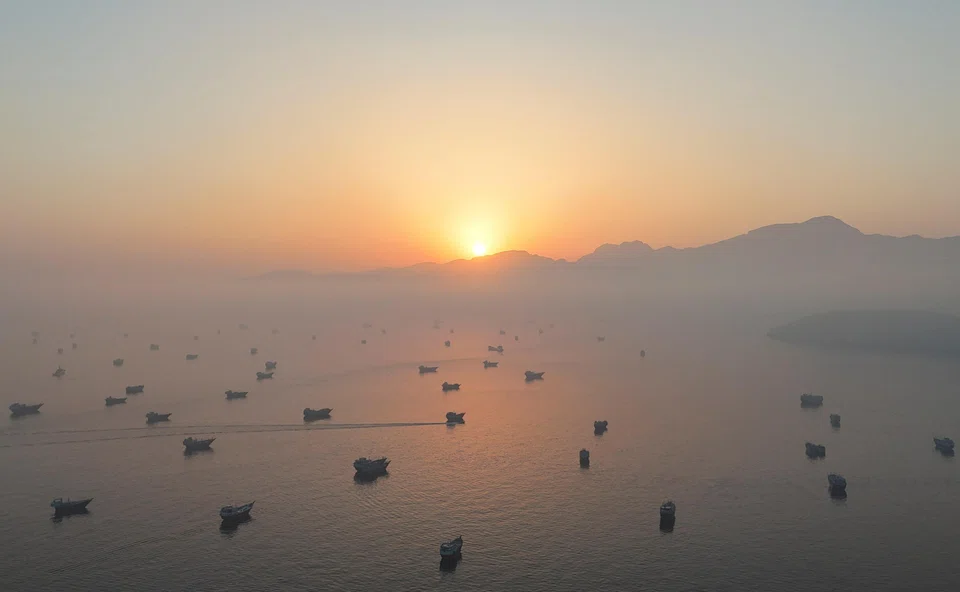
Data from the United Nations showed that ship transits through the strait collapsed from around 130 a day in February to just six in March, a fall of roughly 95 per cent.
Meanwhile, global merchandise trade is expected to slow sharply from 4.7 per cent growth in 2025 to between 1.5 and 2.5 per cent in 2026.
The reopening of that waterway is not just an energy story.
Beyond oil and liquefied natural gas, the crisis has disrupted key non-oil commodities, including methanol, aluminium, sulphur and graphite, reshaping global supply chains from fertilisers for future harvests to minerals driving high-tech industries.
Nuclear details yet to be finalised
The deal’s core architecture is sensible. The agreement involves reopening the Strait of Hormuz, Iran being able to freely sell oil, and negotiations on curbing the country’s nuclear programme, all within a defined time window.
Iran has committed not to pursue a nuclear weapon, with the first issues to be discussed being how to dispose of its highly enriched uranium stockpile. For energy markets, the most immediate signal is the reopening of the strait.
If shipping resumes in earnest this week, expect a meaningful correction in oil prices, a lift to Asian manufacturing sentiment and a thaw in the financial conditions that have squeezed emerging markets throughout the spring.
Yet, the cautious investor is right to resist euphoria.
Iranian officials have expressed caution on timing and rejected some reported drafts, even as US President Donald Trump announced the signing as imminent.
The 60-day negotiating window that follows the ceasefire will be when the deal’s most difficult provisions must be resolved – the true test of the agreement.
Iran’s remaining highly enriched uranium has reportedly been further fortified in recent weeks, adding complexity to the proposed arrangement to remove and destroy it, and raising questions about who will take on the dangerous task of extracting it.
These are not details that resolve themselves.
Geopolitical complication also looms on the Israeli side. The ceasefire covers all fronts, including Lebanon, but Israel’s posture remains a wild card.
Israeli strikes in Lebanon in recent days threatened to unravel the deal before it was even signed, and Tel Aviv has made clear it is pressing the US to limit concessions to Teheran.
Any resumption of hostilities, even peripherally, could rattle energy markets anew.
Companies must prepare for contingencies
For corporate strategists, the message is: plan for a gradual normalisation of energy supply, not a sudden one.
In 2025, nearly 20 million barrels of oil a day were exported via the strait, with China and India combined receiving 44 per cent of those flows; supply chains will need weeks, not days, to fully restore.
Insurance premiums on Gulf shipping will not drop overnight. Firms that reshuffled sourcing arrangements or locked in long-term energy contracts during the crisis should review those positions, but without haste.
The broader lesson for business is one that the past several months have underscored with painful clarity: Geopolitical risk is no longer a tail-risk footnote in an annual report. It is a first-order strategic variable.
The companies and investors who weathered this disruption best were those who had already stress-tested their supply chains, diversified their energy exposure and maintained liquidity buffers during the relatively calm period of late 2025.
The announcement of the deal is genuinely good news for markets, for trade, and for the millions of people whose livelihoods depend on the uninterrupted flow of goods through one of the world’s most critical choke points.
The Strait of Hormuz is poised to reopen. The nuclear question is, at minimum, back on the diplomatic table. And a region that has been convulsed by war may be stepping, however tentatively, towards stability.
But a memorandum of understanding is not a peace. The signing ceremony on Friday will mark a beginning, not an end.
The business community should welcome this deal, monitor its implementation closely, and keep contingency plans close at hand.