Who will win the US presidential race? A non-poll prognosis
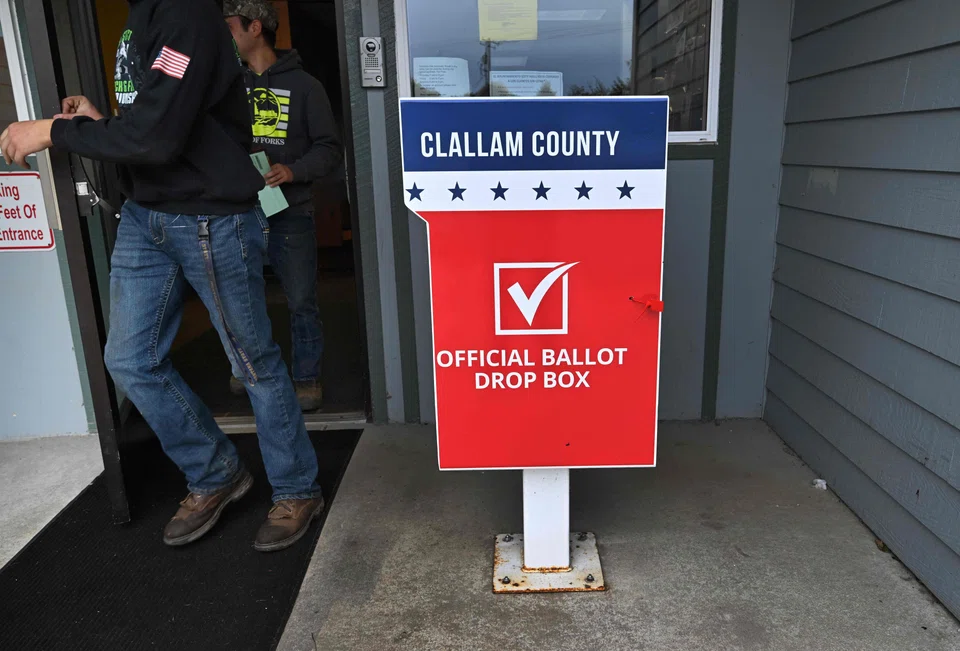
IT’S A tie! The US presidential election is heating up and polls show a neck-and-neck contest between Vice-President Kamala Harris and former president Donald Trump.
Although Harris, the Democratic presidential candidate, is expected to win the popular vote by a narrow margin, the Electoral College race (with 538 electoral votes at stake) remains as close to 50/50 as it gets.
Indeed, the polls suggest that neither Harris nor Republican nominee Trump commands a clear lead in the crucial seven battleground states – Pennsylvania, Michigan, Arizona, North Carolina, Nevada, Wisconsin and Georgia – that could sway the election.
There is, however, a growing sense that the former president may be surging just two weeks to the election.
A leading pollster Nate Silver notes that Trump has gained a big lead in Georgia, and as he assesses the probabilities, Silver sees Trump with a 50.2 per cent chance of winning, and Harris with 49.5 per cent.
At the same time, it seems that betting markets have moved further towards predicting a Trump win, with money flowing into bets supporting another Trump presidency.
I am not a betting man myself, and my past performance as an election prognosticator hasn’t been so great.
So I decided to join the majority of the pundits – and in fact, most everyone else – and admit that despite my knowledge of American politics and the fact that I have covered several presidential races, I don’t know who is going to win.
This may sound like a cop-out, but based on extensive analysis of the current race, it’s possible to sketch two conflicting narratives that would explain why each candidate could win or lose.
The “Harris Victory” narrative is based on the assumption that the American voters are, indeed, as her campaign suggests, looking towards the future and are in search of a fresh face and new ideas; for a younger and “cool” candidate who would occupy the White House in the next four years.
From that perspective, Harris – who turned 60 on Oct 20, and who could become the first woman of colour president, the daughter of immigrants from India and Jamaica – is exactly that kind of candidate, representing a new generation of Democrats.
Americans are just tired of Trump and the chaos he creates. Harris is bound to beat a 78-year-old has-been.
Or, perhaps as the proponents of a “Trump Win” narrative contend, the American voters are nostalgic for the four years of the Trump presidency, with its low interest rates, thriving economy and relatively peaceful world.
These voters compare those years with the last three-and-half years during which Harris has served as vice-president, when the cost of living went up, illegal immigrants flooded the country, and wars seemed to be breaking out everywhere. Which may explain why they want to see Trump back in the White House.
By the way, it’s possible, if not likely, that the election could end with a 269-269 tie between the two candidates, or that a third-party candidate wins enough electoral votes to prevent any candidate in the race from reaching the required 270-electoral-vote threshold. The election for president will then be decided in the House of Representatives, with each state delegation having one vote.
But not to worry. The chances of that happening is 0.3 per cent.