

This year’s hottest tech IPO may be a transportation firm: Alibaba’s Cainiao
The logistics spinoff fits into a unique slot between tech and non-tech to warrant closer inspection by investors
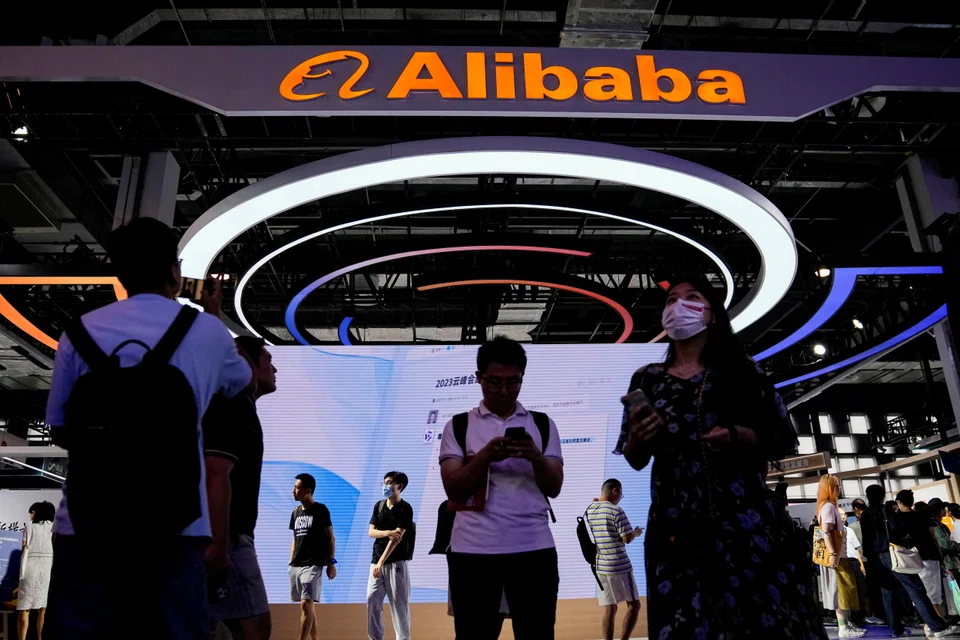
SHARE debuts among technology companies have not inspired confidence this year, with two of the largest offerings sliding below their listing prices within the first week. The next big deal may reignite interest in initial public offerings (IPOs) because of a unique set of traits.
Cainiao Smart Logistics Network is nominally considered a technology company, chiefly because it is a spinoff from Chinese e-commerce giant Alibaba Group. But it is no more tech than FedEx or ZTO Express, which also use software and hardware to optimise the very manual job of delivering packages.
That distinction may not matter, though. Cainiao’s proximity to the mothership allows the affiliate to bathe in the technology glow, while being distant enough from Alibaba’s own macroeconomic challenges to warrant consideration by global investors. It will need all the buzz it can get; Cainiao is set to become the first of five Alibaba Group companies to pursue an independent equities-market listing.
A reported US$1 billion share sale in Hong Kong would put the debut below this month’s listing of chip designer ARM Holdings (US$5.3 billion) and above that of grocery-delivery provider Instacart (US$660 million), both of which were widely anticipated and posted massive first-day jumps before dropping beneath their sale prices.
The latter’s collapse serves as a particular note of caution, given the San Francisco-based company is also, first and foremost, a wheels-and-boots business like Cainiao.
One standout fact may capture attention: Cainiao is the second-largest contributor to Alibaba’s profit growth, despite accounting for just 9.2 per cent of group revenue. Punching above its weight within the Alibaba empire is what makes the logistics company the perfect choice to lead the subsequent parade of IPOs.
A successful share sale would support the idea that betting on Team Baba is a safe move, while a tepid response would make it harder to promote subsequent listings for the cloud and local-services units.
Independently successful
Alibaba, like domestic peers including Tencent and JD.Com, is struggling to adjust to the myriad challenges in China. Consumer demand has slowed, exports have weakened and an array of structural economic problems – from rising youth unemployment to a housing-sector downturn – is dampening sentiment.
Yet Cainiao has done well to move independently of Alibaba. Only 30 per cent of sales come from its parent, and the company achieving a level of international expansion that Alibaba’s e-commerce arm has so far struggled to accomplish.
These twin engines of growth mean that the logistics business may be most immune among affiliates to China’s domestic issues, while still leveraging the lower costs of local engineering talent and tapping into what remains a huge consumer economy.
Although political tensions with the US and the decentralisation of supply chains will remain a long-term curb on export growth, international shopping trends act as a fillip for cross-border commerce.
Shein, PDD’s Temu and more recently ByteDance’s TikTok Shop are building relationships directly with foreign consumers, who are buying from apps that look and feel local. These products are then shipped out of China. There are a few implications that play well into Cainiao’s hands.
Whereas previously purchases were made on US websites managed by Amazon.com or eBay, or in shops run by Walmart or Target, more are now being transacted with Chinese providers, which have a closer relationship with the factories where the goods are made.
As a result, instead of products being bought and shipped in bulk by third-party retailers or distributors, they are being sent piecemeal in way that requires more nimble providers.
“Cainiao has a global end-to-end logistics network at scale that uses its proprietary technology to optimise efficiencies across first-mile pick-up, line haul, overseas distribution and last-mile delivery,” Alibaba said. It recently launched a five-day global delivery service and is targeting a 72-hours service in coming years.
Such speed will undoubtedly dent Amazon.com’s competitive advantage and make worldwide logistics companies ever more crucial to commerce. And it does so without relying on either Alibaba’s domestic e-commerce business or a rebound in the Chinese economy.
Despite less than 10 per cent of Alibaba Group revenue coming from overseas, Cainiao has already set up global operations from Spain to Indonesia to Poland, with multiple sites in the US.
Because consumers – especially those hunting for bargains – tend to ignore politics, the logistics provider has built-in protection against the US-China tech cold war. That alone is a good enough reason to sell itself as a non-tech company, even if it is born from one of the nation’s most dominant technology giants. BLOOMBERG






