

Australia could tackle housing crisis with ‘gentle density’ plan
The government aims to deliver 1.2 million new homes by 2029 to help ease the housing shortage
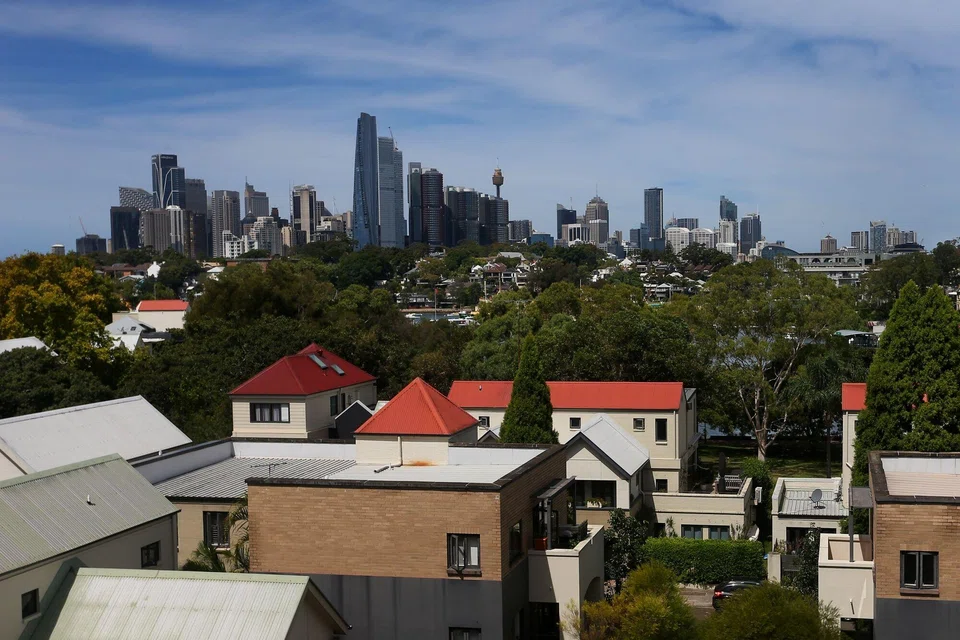
[SYDNEY] Australia could bolster housing supply by almost one million homes through a “gentle density” strategy, a model successfully applied in New Zealand that would help address an accommodation crisis, a new report showed.
If one-in-four of Australian houses were converted to dual occupancy, such as duplexes or low-rise apartments, in the nation’s five biggest cities, supply would increase by 9 per cent, Ceda and consultancy Urbis said in the report released on Tuesday (Dec 2). About 70 per cent of Australian properties are standalone dwellings.
The push for “gentle density” goes to the heart of a structural imbalance in Australia’s housing market, given the population is forecast to climb by more than 50 per cent over the next 40 years. The debate in major cities, among the least dense in the world, tends to focus on the extreme ends of the spectrum for new construction: either inner-city high rises or outer-suburb developments.
Easing zoning rules to allow more duplexes, townhouses and low-rise apartments in established suburbs would unlock well-located land, reduce pressure on fringe development, and expand access to jobs and transport.
“Gentle density can deliver more housing in middle-ring neighbourhoods where people want to live, while making better use of existing infrastructure and transport networks,” said Ceda senior economist Danika Adams. She highlighted New Zealand’s largest city as showing “what’s possible when you implement planning reform at scale”.
Auckland’s overhaul began in 2016 and allowed medium and some higher-density housing across around three-quarters of the city, resulting in a 50 per cent increase in building consents. Since then, Auckland has dropped to 16th in a global ranking of housing affordability from seventh in 2018, while Sydney remains second and Melbourne is ninth.
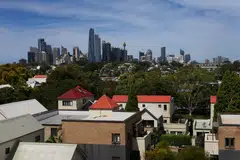
House prices in Auckland are also estimated to be 15 to 27 per cent lower than would otherwise have been the case, according to the report.
Australia’s government aims to deliver 1.2 million new homes by 2029 to help ease the housing shortage. BLOOMBERG
Decoding Asia newsletter: your guide to navigating Asia in a new global order. Sign up here to get Decoding Asia newsletter. Delivered to your inbox. Free.
Share with us your feedback on BT's products and services
TRENDING NOW
Singapore identifies 7 firms responsible for haze fires, notices issued urging action: Grace Fu

Philippine power giant First Gen rebuffs foreign offers, plans up to US$2.6 billion in expansion
DBS remains analysts’ pick ahead of Q3 earnings after Singapore banks’ share slump
Indonesia imposes US$116 million in fines over manipulation of Sinar Mas, Prajogo-linked stocks

