

Australia’s Victoria state bans data centres from residential areas amid growing opposition
Surge in spending on data centres could be as much as A$225 billion, with the majority in the next three years
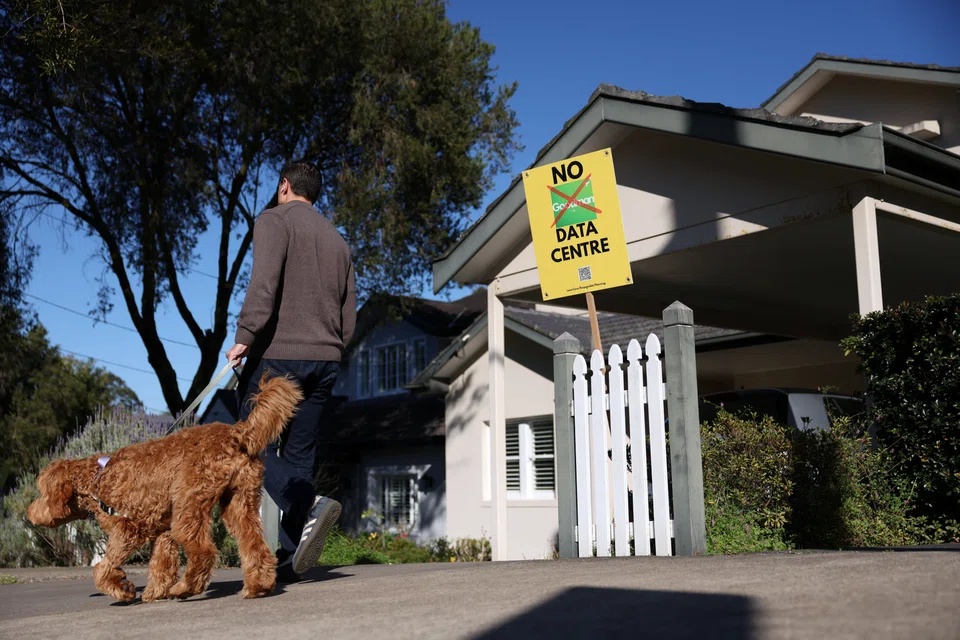
ONE of Australia’s largest states has banned the construction of data centres in residential areas and mandated that they “bring their own renewable energy supply”, as part of a slew of rules aimed at addressing growing community concerns.
The state of Victoria, home to Melbourne, announced on Tuesday (Sep 22) that while data centres were vital to the economy, they would need to take steps to ensure local water and electricity resources were not significantly impacted.
Centre-left Labor Premier Ben Carroll will require data centres to match new energy demand with additional generation, paying costs for network upgrades. They will also be required to use only recycled or non-drinking water for cooling.
In addition, data centres will not be allowed in residential areas, with a mandatory buffer zone of 150 m from any houses.
Prime Minister Anthony Albanese has been pushing for national standards for data centres, attempting to balance taking advantage of the boom in demand with appeasing concerns in local communities.
Westpac Banking estimated that the surge in spending on data centres could be as much as A$225 billion (US$160 billion), with the majority in the next three years. BLOOMBERG
Decoding Asia newsletter: your guide to navigating Asia in a new global order. Sign up here to get Decoding Asia newsletter. Delivered to your inbox. Free.
Share with us your feedback on BT's products and services
TRENDING NOW

Malaysian king buys stake in Singapore-listed mining firm expanding into rare earths

Grab CEO’s wife Chloe Tong on life with Anthony Tan and finding her purpose

Once staunchly pro-China, Malaysian Chinese businesses are now distancing themselves from Beijing
Longer wait times expected as S’pore healthcare institutions report system disruptions

