Chick-fil-A, Chipotle, South Korea’s Lotteria join global F&B giants tapping Singapore consumers’ evolving taste
New openings come as China brands like Luckin, Chagee, Mixue consolidate, upgrade after breakneck expansion to over 400 outlets

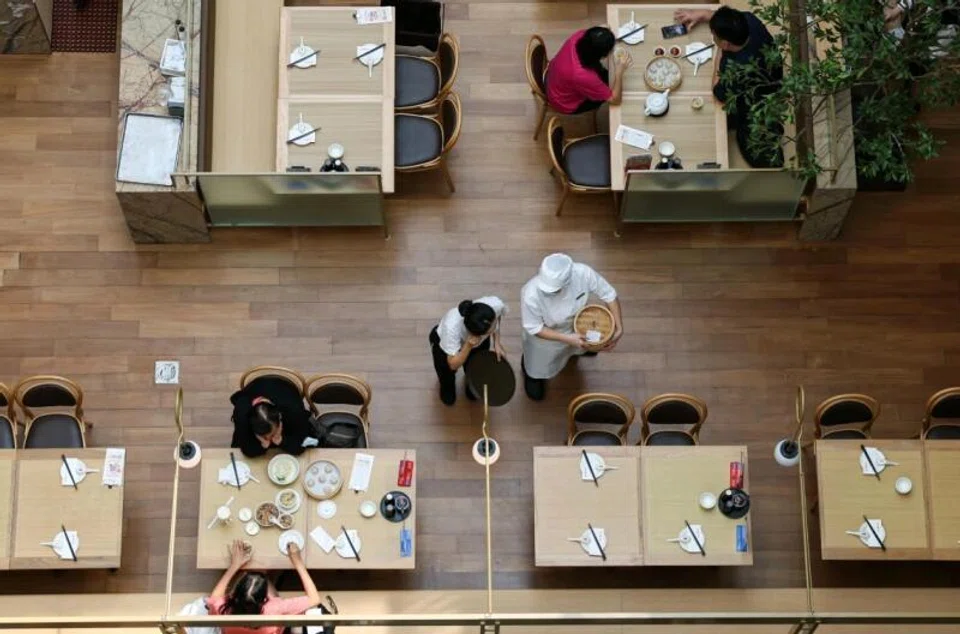
[SINGAPORE] Singapore’s food and beverage scene is entering a new phase, where Chinese chains that once expanded at breakneck speed are refining concepts as new players from China and beyond continue to arrive.
“The initial wave of Chinese expansion, marked by the rapid roll-out of major hotpot and mass-market chains, has now transitioned into a phase of strategic maturity,” Knight Frank Singapore head of retail Ethan Hsu told The Business Times.
“Rather than reaching a saturation point, the market is evolving from broad-based expansion to a more refined, quality-focused growth model.”
Tokyo noodle specialist eatery Udon Shin is set to open at Takashimaya Shopping Centre in mid-November. American fried chicken chain Chick-fil-A will make its highly anticipated Singapore debut on Dec 11 at Bugis+, following a successful pop-up last year at Esplanade Mall.
Sushidan, a casual omakase restaurant from Tokyo, will open its first Singapore outlet at Raffles City on Dec 17, in collaboration with the franchise owner of Pizza Studio Tamaki and Yappari Steak in Singapore.
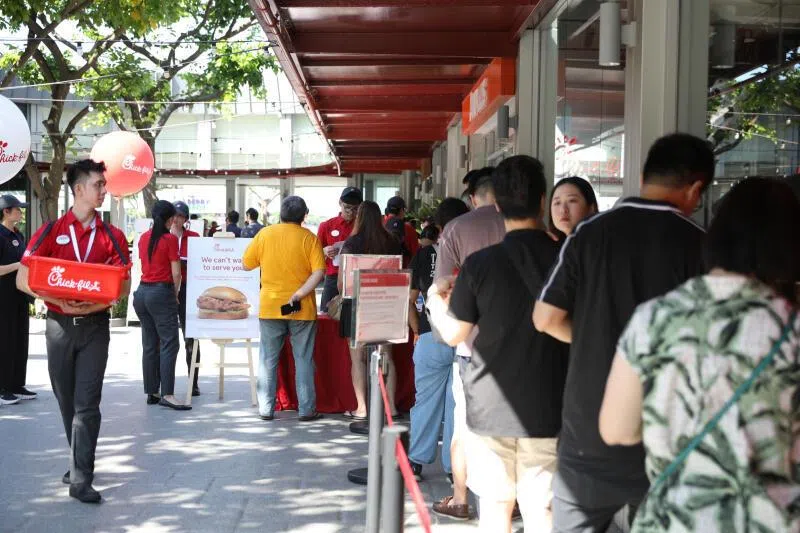
In 2026, South Korean burger chain Lotteria and US fast-casual giant Chipotle Mexican Grill will open their first outlets in Singapore.
“Operationally, Singapore’s dense urban footprint makes it a very manageable market to enter.”
Nate Lawton, Chipotle’s chief business development officer
Nate Lawton, chief business development officer at Chipotle, said Singapore’s “large, fast-growing out-of-home dining culture that prioritises real food” makes it an attractive entry point for the brand. Chipotle is exploring potential sites across the city.
“Consumers here are highly familiar with American brands like Chipotle through education, travel and social media,” he added. “Operationally, Singapore’s dense urban footprint makes it a very manageable market to enter.”
While several global players are preparing to make their debut, others have already moved in. Landlords told BT that this broader mix of entrants reflects how leasing demand is continuing to diversify.
According to research firm Momentum Works, about 85 Chinese F&B brands now operate roughly 405 outlets across Singapore, including both major names and smaller players with only one or two outlets.
Growth has slowed, particularly among established brands, which are increasingly focusing on refining their operating models, said Momentum Works insights lead Chen Weihan.
Luckin Coffee, for example, adapted its mass-market model from China into a mid-premium positioning locally, using its fully app-based ordering system to capture detailed consumer data.
China bubble tea chain Mixue runs a vertically integrated supply chain, controlling everything from ingredient production to store operations to maintain cost and quality.
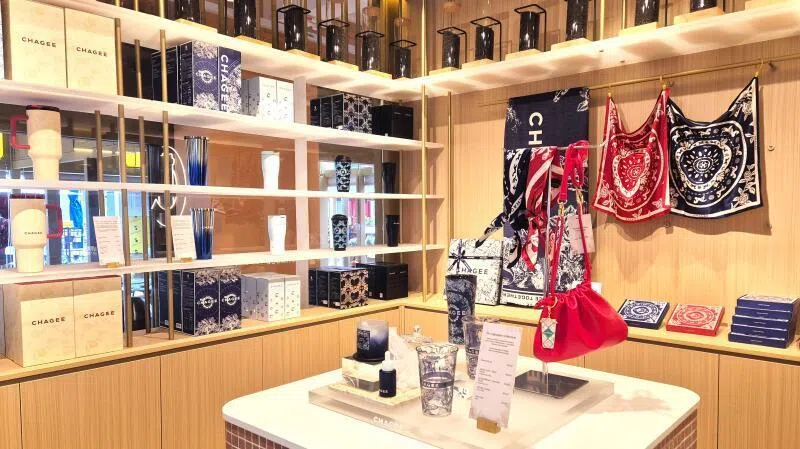
Popular tea chain Chagee, now with 22 outlets in Singapore, is stepping up its position with different store concepts. Its first full-fledged retail concept, Pagoda House in Chinatown, features exclusive merchandise such as collectible tea sets.
“Like most F&B operators, manpower and rent are our biggest pressures. But high expectations come with high standards, pushing us to be more efficient and creative,” said Chagee Singapore chief executive Lawrence Wen, adding that the brand has become flexible with its store formats and partnerships.
He noted: “The brands that last are the ones that stay true to who they are, while continuing to listen and adapt. In such a fast-changing market, understanding your customers and evolving with their tastes is just as important as having a strong brand foundation.”
“Leasing activity among established Chinese players is “increasingly driven by portfolio optimisation”, including relocating to higher-traffic or higher-positioning locations, refurbishing existing outlets and introducing premium sub-brands.”
Ethan Hsu, Knight Frank’s Singapore head of retail
Knight Frank’s Hsu noted that leasing activity among established Chinese players is “increasingly driven by portfolio optimisation”, including relocating to higher-traffic or higher-positioning locations, refurbishing existing outlets and introducing premium sub-brands.
“This marks a deliberate shift from expanding market share to deepening it, with operators prioritising brand strength, experience and long-term positioning over sheer outlet count.”
New Chinese F&B entrants
Even as established names consolidate and upgrade, new Chinese F&B brands continue to enter the Singapore market.
CBRE’s head of research for Singapore and South-east Asia, Tricia Song, said there has been a surge in leasing demand from Chinese operators in the last two years, partly driven by the need to diversify beyond a slower-growing home market.
Cushman & Wakefield research head Wong Xian Yang added: “Many view Singapore as a strategic market to diversify beyond China, leveraging its compact size and global connectivity as both a rapid test bed and a launch pad into the broader South-east Asian region.”
Shanghai’s specialty soup brand, The Soup Expert, opened its first international outlet in Suntec City on Oct 16, following a year of market research in Tokyo, Kuala Lumpur and other Asian cities.
Founder and chief executive Chen Peng Fei said in Mandarin: “Singapore is the most dynamic economic centre in Asia. There are more than four million Chinese here, and our wellness-focused double-boiled Cantonese soup aligns well with local tastes.”
He added that other markets had shown signs of fatigue post-pandemic, while Singapore maintained economic activity. Less than a month after opening, the outlet sees 300 to 400 customers per day.
Another new entrant, Wo Wo Dian, serving handmade buns and Sichuan cuisine, opened at Raffles City in May 2024.
CEO Kevin Zhang said Singapore allows the brand to reach a wider South-east Asian audience while serving as a stepping stone for future expansions. Wo Wo Dian has already turned profitable since opening, with revenue growing more than 30 per cent.
Zhang noted that competition is stiff, as brands target the same broad dining crowd – a challenge amplified by incoming international players.
“Singaporean consumers are adventurous and diverse in their tastes: they may have Sichuan buns today, sushi tomorrow and Korean barbecue the day after,” he said. “Mall footfall is relatively fixed within the same season, so brands in the same mall naturally compete for the same pool of customers.”
“Singaporean consumers are adventurous and diverse in their tastes: they may have Sichuan buns today, sushi tomorrow and Korean barbecue the day after... brands in the same mall naturally compete for the same pool of customers.”
Wo Wo Dian CEO Kevin Zhang
Malls broaden range
Jenny Khoo, Lendlease’s head of retail and workspace management, said: “While there has been a perception of an influx of Chinese brands, our portfolio continues to feature a broad range of concepts across dining, retail and services.” Lendlease recently onboarded Tim Hortons, Casa Vostra and Ajumma’s, among others.
A CapitaLand Investment spokesperson added: “Certain F&B categories have gained greater traction, particularly those that offer experiential or differentiated concepts that resonate with consumers. The market remains competitive, but high-quality concepts that go beyond creating buzz to offer a memorable experience continue to command strong interest.”
Adrian Tan, Frasers Property Singapore’s managing director of retail, said: “Every new concept is carefully assessed for its strategic fit, operational feasibility and long-term potential, allowing us to champion emerging brands while maintaining a dynamic, engaging and future-ready retail environment.”
The operator has introduced new-to-market brands such as Oriental Kopi, Pasta Play, Putien Mama and Super Sushi, alongside curated food courts celebrating Singapore’s hawker culture.
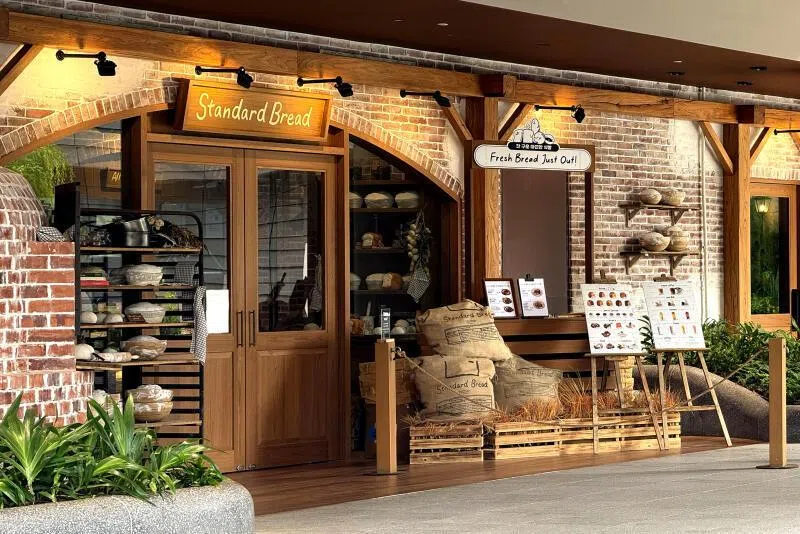
Korean bakery Standard Bread, famed for its salted butter and tissue breads, also opened its first Singapore outlet at Sentosa’s Weave mall in July.
A spokesperson said Singapore’s sophisticated consumers and its role as a regional launch pad are key reasons for its expansion. The bakery added that while further growth is on the horizon, maintaining consistent quality remains its top priority, noting that diners are increasingly willing to pay a premium for high-quality food.
Since its opening last August, Malaysian bubble tea chain Beutea has set up eight outlets across the island, with two more on the way. “We plan to open 10 new outlets every year and eventually reach a target of 30 outlets,” said a spokesperson, adding that it plans to open in locations with high population density.
But as new brands enter the market, Beutea faces stiffer competition when vying for retail spaces. “Malls have a beverage quota, and that has been a challenge indeed. Once a major bubble tea brand is in the mall, they would prefer not to have another competing brand.”
Rentals remain lifted
Vacant units are quickly snapped up by new entrants, keeping occupancy and retail rents elevated. In the third quarter, rentals grew 0.9 per cent on quarter, extending the rise of 0.9 per cent from Q2. Vacancy rate fell to 6.9 per cent, from 7.1 per cent in the preceding quarter, data from the Urban Redevelopment Authority showed.
Knight Frank’s Hsu said premium rents in prime locations remain underpinned by deep-pocketed international operators, while a more price-sensitive climate in secondary malls and heartland areas continues to provide room for local brands and independents to compete.
CBRE head of retail services Joan Chen noted that limited prime retail space keeps rent expectations firm, though landlords may show flexibility for new-to-market or high-profile concepts that enhance a mall’s positioning.
Cushman’s Wong said: “While maximising rental income remains a key priority for landlords, they must also strike a careful balance by curating a well-rounded tenant mix that enhances the mall’s destination appeal and supports sustained footfall over the long term.”