

China sours on debt-to-equity tool that helped property firms overhaul debt
Securities watchdog rejects mandatory convertible bonds key to developers’ restructuring talks
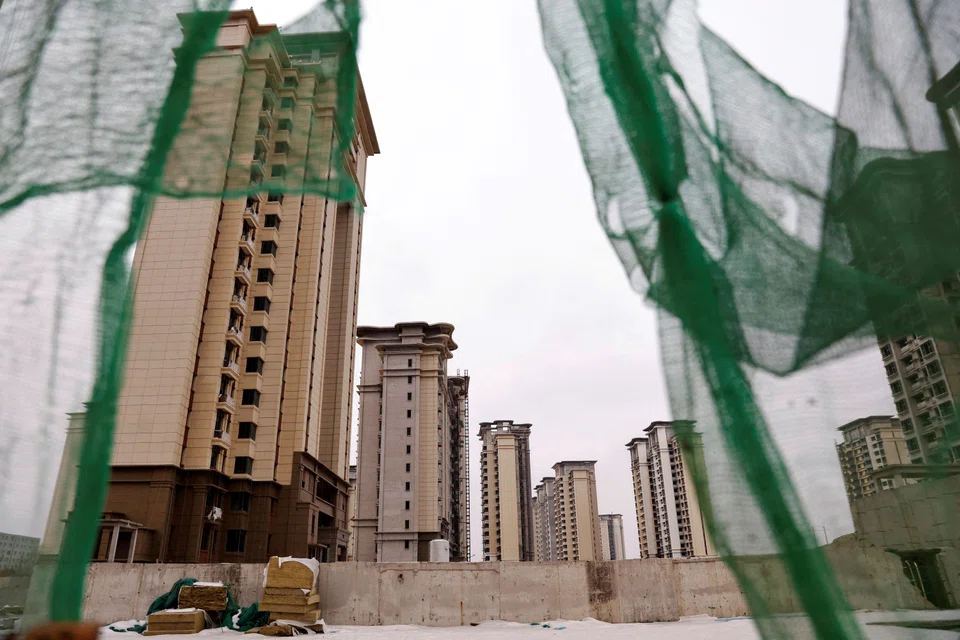
CHINA is casting doubt on one of the key mechanisms that helped keep several major property developers including Country Garden Holdings out of liquidation.
The China Securities Regulatory Commission (CSRC) has declined to accept the registration of a swathe of so-called mandatory convertible bonds (MCB), a debt-to-equity instrument that was a key part of developers’ restructuring negotiations with foreign investors, people familiar said, requesting not to be named because the matter is private.
Country Garden, which has already issued a portion of the US$13 billion in planned offshore MCBs, was informed a few weeks ago that the securities watchdog had rejected its filing to register the instruments, according to people.
Country Garden was told that it was disqualified because of its status as a discredited entity, which can result from anything from defaults to regulatory violations, the people said.
Sino-Ocean Group, which was exploring issuing MCBs as part of a bilateral restructuring with some private lenders, has also been informed that the CSRC would not be supportive of its registration, the people said.
Strike to property sector’s debt workouts
The rejection strikes at a little-known but increasingly important pillar of China’s property sector debt workouts.
MCBs allow distressed developers to exchange debt for securities that can later be converted into equity, helping cut repayment burdens while giving creditors a chance to benefit from any recovery.
The move could undermine restructurings that have already been negotiated and limit one of the few remaining tools available to an industry that defaulted on around US$130 billion of debt.
Companies do not need to seek CSRC approval before issuing offshore MCBs. Instead, they only need to register these bonds with the regulator afterwards.

The National Development and Reform Commission (NDRC) and State Administration of Foreign Exchange (SAFE) are also involved in various aspects of the approval for certain MCBs.
The involvement of multiple regulators has complicated questions over which agency would be responsible if any of the MCBs instruments were to run into trouble, one person said.
Representatives for the CSRC, the NDRC, SAFE and Sino-Ocean did not respond to requests for comment. Country Garden declined to comment.
Chinese property shares slipped on the news, bringing a Bloomberg gauge of the sector down as much as 2.6 per cent on Wednesday (Sep 9). Country Garden’s shares fell as much as 6 per cent.
Shrinking presence
The pushback against a key tool for China real estate restructurings comes even as Beijing makes broader efforts to revive the beleaguered property market.
In August, regulators announced a slew of measures including fundraising support for developers in both the equity and debt markets.
The moves suggest Beijing is drawing a distinction between the broader real estate market, an important driver of consumer confidence, and the specific struggles of defaulted developers.
The years-long debt workouts of firms like Country Garden – and their shrinking presence in the property market – means Beijing can get tougher on these firms without necessarily triggering wider pain.
“The regulator’s tough stance is not a surprise as defaulted property debt no longer poses a systemic risk to China’s financial system or the funding access of other Chinese corporates,” said Zerlina Zeng, head of Asia strategy at CreditSights, a research firm.
While it is unclear whether the rejections are a procedural holdup or signal a longer halt, some property firms and financial service providers are already putting the brakes on their restructuring plans given the uncertainty, the people said.
The pushback against MCBs may reflect unease among regulators that so many new shares will be created when the MCBs convert: Chinese developers’ offshore debt restructurings are ultimately set to create over 27 billion new shares through the instruments, according to estimates by Bloomberg Intelligence analysts Andrew Chan and Daniel Fan.
The tools sharply dilute equity and weaken bondholder recovery, they added.
More than five years since China’s property crisis began, many of the country’s developers are still in the process of restructuring their debt.
Sunac China has finished a second round of debt restructuring, while CIFI Holdings is weighing a similar move, underscoring the lingering depth of the property downturn.
Logan Group secured Hong Kong court approval in August to proceed with its restructuring scheme.
Central China Real Estate and Ronshine China are among the developers still working to finalise their plans.
Last month, China unveiled a slew of measures to boost financing support for homebuyers and developers.
But the changes were small in isolation, stopping short of the big bang stimulus that some economists think is necessary to bring an end to the real estate slump.
China’s economy showed widespread weakness in recent data, with house prices continuing to tumble.
Many economists estimate that growth slipped further below the government’s annual target, sparking a call from Premier Li Qiang to ramp up supportive measures. BLOOMBERG
Decoding Asia newsletter: your guide to navigating Asia in a new global order. Sign up here to get Decoding Asia newsletter. Delivered to your inbox. Free.
Share with us your feedback on BT's products and services
TRENDING NOW

Government to bring forward raising of retirement age, give employers more financial support to create flexi-load jobs

If Europe goes to war, the fallout will be felt in East Asia

Indonesia stocks suffer worst plunge in nearly 30 years as MSCI proposes standalone status

Vietnam’s northern provinces, not Hanoi or Ho Chi Minh City, are powering near 10% GDP growth

