



Mandarin Oriental sees potential in South-east Asia to more than double its global footprint
This follows the opening of its first regional resort in Desaru Coast, where the group also plans to develop branded residences
 Add BT as a preferred source
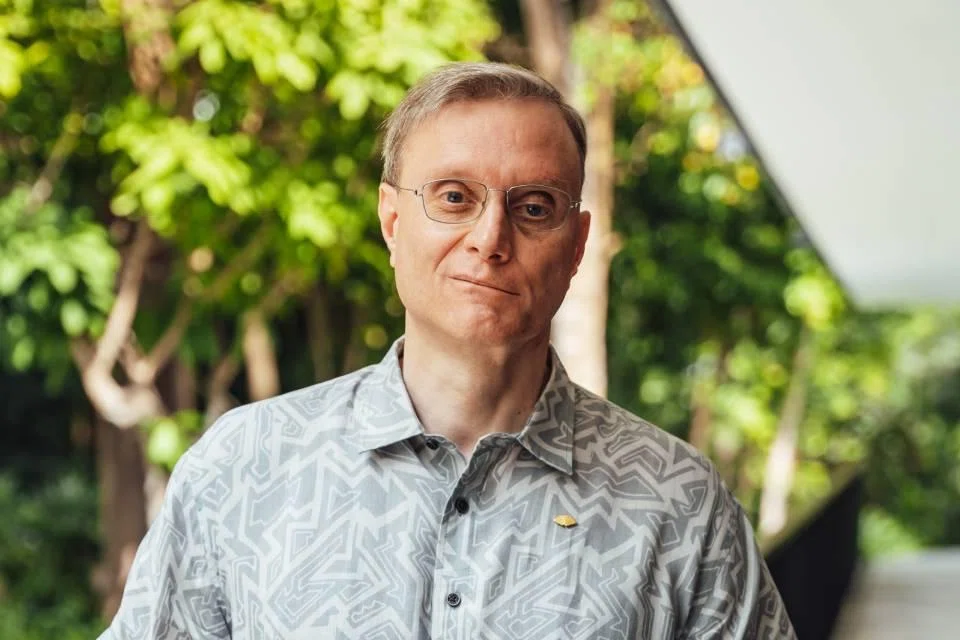
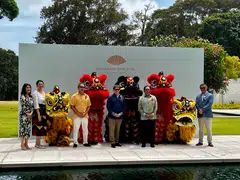
[DESARU COAST] With the official opening of Mandarin Oriental, Desaru Coast in Malaysia this month, the hotel group marked not only its first resort in the region, but also its first South-east Asian contribution to its goal of more than doubling its global footprint by 2033.
The resort will soon be joined by a property in Bali that is set to open in 2027. And there are many other, as-yet unannounced properties in “advanced stages” of discussion, said Anthony Tyler, area vice-president of operations at the Hong Kong-headquartered group.
He added that South-east Asia can expect very exciting openings – of both resorts and urban hotels – in the years to come.
In 2024, the group had 41 hotels under management – a figure that it aims to at least double within 10 years.
“I would say that the way things are going… it’s quite likely that we (will) get there quicker, but I’m not changing the goal for my CEO,” Tyler told The Business Times in an interview at the Desaru Coast resort’s launch in Johor.
Something new
In South-east Asia, Mandarin Oriental was already operating four urban properties: in Bangkok, Jakarta, Kuala Lumpur and Singapore.
Its development teams were talking to potential partners when they were introduced to the 44-suite property that would become its first regional resort.
“It’s always important to find the right opportunity and the right partner. And this happened to be just that,” Tyler noted.
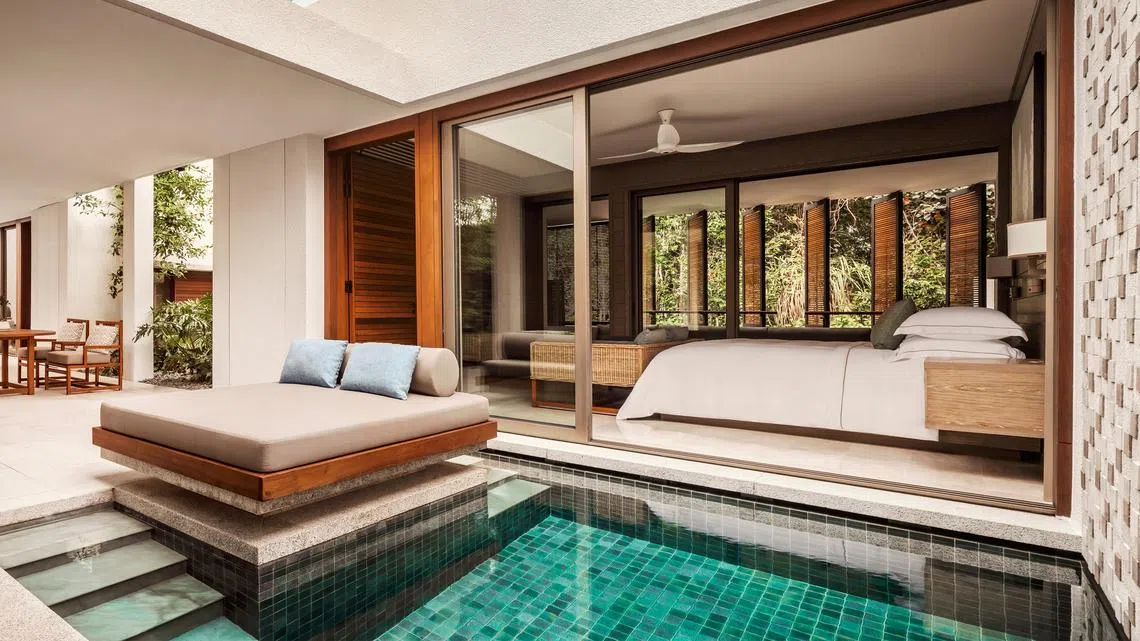
Nestled within 52 acres of rainforest along Malaysia’s south-eastern shore, the former One&Only Desaru Coast stood out as an “exceptional physical property… built on this beautiful piece of land”.
Its accessibility is a draw, too, with its direct connectivity with Singapore providing “an affluent travel base within a sensible radius of the hotel”. Similarly, Malaysian capital Kuala Lumpur is just a couple of hours’ drive away.
Travellers from nearby markets such as Thailand, Hong Kong and Indonesia will likely find a getaway at the resort within their reach as well, said Tyler.
Such visitors will make up a portion of Desaru Coast’s customer base, but travellers from far-flung places are expected as well.
This is because of the industry buzz surrounding the addition to Mandarin Oriental’s portfolio, as well as an excitement about new destinations, Tyler said.
He therefore believes that the resort will “do extremely well” among international clients from places as far away as as Europe, the Middle East and even North America.
As economies go through good and bad times, it is important to have a breadth of source markets, he added, highlighting that Mandarin Oriental has loyal clients that follow the brand to discover new places.
“That’s what we want to unveil – what is still a hidden gem,” he said. “I guess if there ever was a time to use the overused expression, this would be it.”
While many other luxury resorts sit along the coast – including Hard Rock Hotel Desaru Coast and Anantara Desaru Coast Resort & Villas – he views them as “complementary without necessarily being competitive”.
They are synergistically raising the profile of the destination, he added.
Next steps
Besides making some upgrades around the resort, Mandarin Oriental plans to develop branded residences in Desaru Coast.
Tyler anticipates that many buyers will hail from Singapore and Kuala Lumpur due to their proximity, but he also expects global customers looking for a property in Malaysia.
“South-east Asia as a region is very important to Mandarin,” Tyler said. Not only does it align with the hotel group’s Asian heritage, it also houses “a very attractive population base”.
These are affluent, sophisticated seekers of adventure, quality and luxury, he said, adding that Mandarin Oriental can offer “great service in a great location, supported by great food and beverage (options), creative bars and spas”.
There is “a very clear alignment” between the group’s offerings and “what the demographic of this part of the world is looking for”.
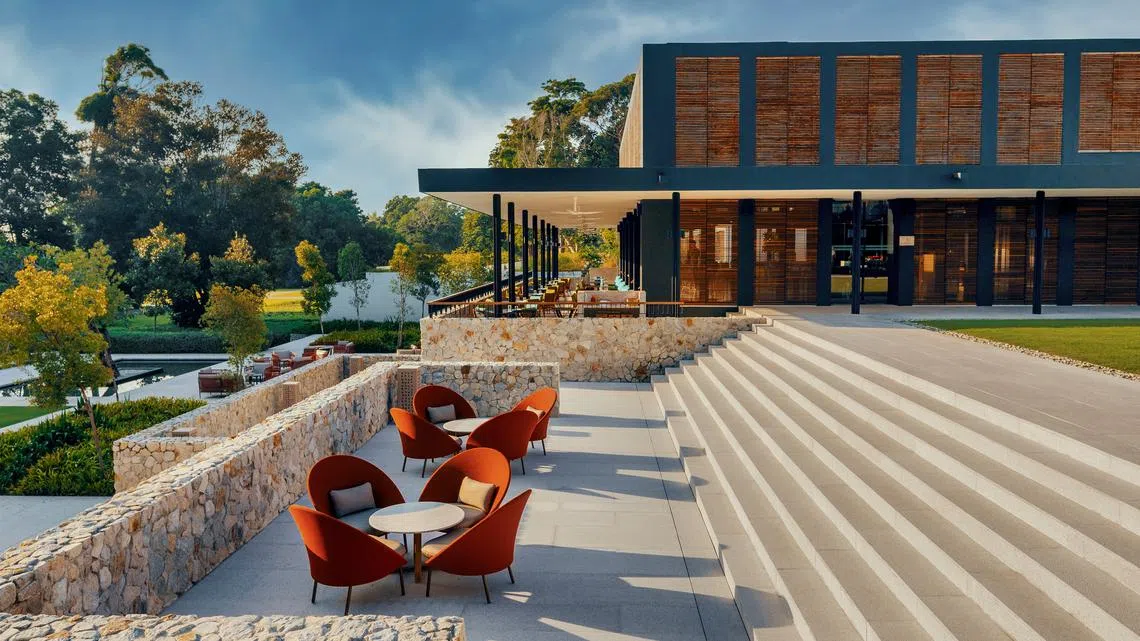
Resorts will also allow the hotel group to show off its capabilities.
“In this part of the world, we’re probably better recognised as an urban hotel operator than as a resort operator,” he said.
“And resorts such as this one give us an opportunity to show our guests that we can do great resorts, like we do in Europe, in the Middle East and other parts of the world.”
Globally, Mandarin Oriental’s pipeline extends to the mid-2030s, he said. Closer to home, it plans to unveil hotels in Seoul in South Korea and Setouchi in Japan.
As for South-east Asia, the Bali resort remains the only announced project coming up in the region. But Tyler promised: “There will be more.”
Decoding Asia newsletter: your guide to navigating Asia in a new global order. Sign up here to get Decoding Asia newsletter. Delivered to your inbox. Free.
Copyright SPH Media. All rights reserved.
TRENDING NOW
Koh Brothers Eco Engineering faces up to S$57.6 million in potential liabilities from legal disputes

How BYD disrupted Singapore’s car market – and why the strategy is turning on itself

Car-rental firm Charlotte Vehicle allegedly owes about S$140,000 to 34 customers
Vietnam seeks US$76 billion a year from capital markets to ease reliance on banks

