MTR bets US$5 billion on a Hong Kong city that doesn’t exist yet
The railway builder is inverting its profit model to build the Northern Metropolis lines
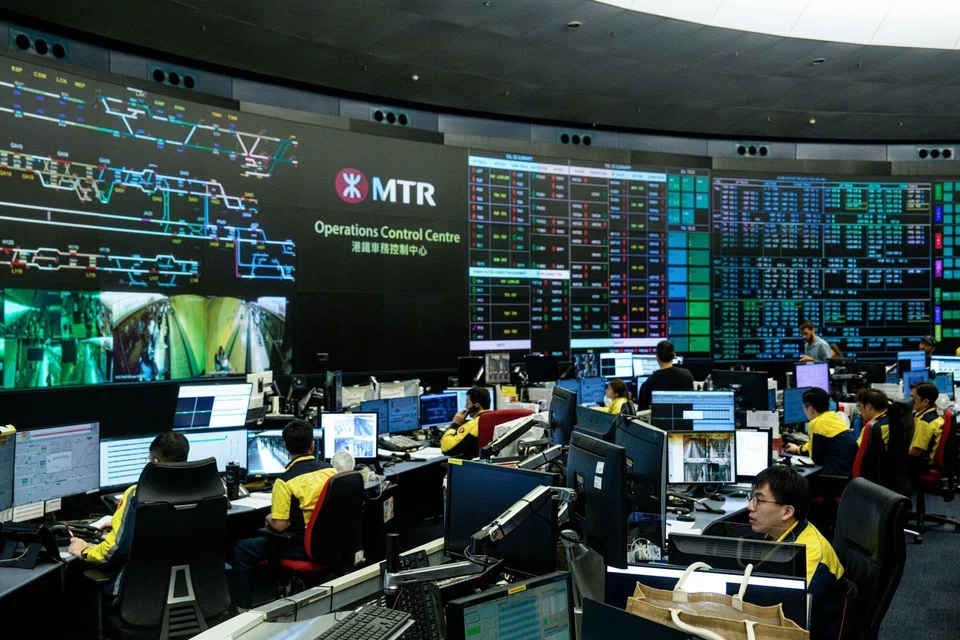
[HONG KONG] MTR has built Hong Kong’s railways one of two ways: the government handed over land around new stations, or paid directly. Either way, the money arrived with the track.
The Northern Metropolis is different. MTR is putting up at least HK$38.9 billion (US$5 billion), borrowing to do it, and will wait years to find out whether the land it receives in return – under a funding model that has never been tested at this scale – is worth what the lines cost.
“In the past, some projects we developed the area, and then we built the railway,” said Dominic Law, the head of project delivery for phase one of MTR’s Northern Link. “But moving into the Northern Metropolis, we focus on the infrastructure first.”
At 300 square kilometres, the Northern Metropolis covers more than a quarter of Hong Kong’s total land area and is two and a half times the size of San Francisco. Under the government’s plan, half a million new homes will be constructed, helping increase the area’s population to 2.5 million from 980,000 over a roughly 20-year period. The economic centrepiece of the project is a tech hub designed to be Hong Kong’s Silicon Valley.
To facilitate this, MTR will build 17 km of underground rail track and seven new stations for the Northern Link and spur line. Some works have already started. The project is scheduled for completion in 2034 and will be financed upfront by the company.
To help pay for the construction, the company has raised more than HK$130 billion in bonds and loans since early 2025, much of it earmarked for capital works including the Northern Metropolis, according to data compiled by Bloomberg. In turn, the government has granted MTR development rights for 10 plots of land along the upcoming lines.
The government, which owns virtually all the land in Hong Kong, typically sells plots at a large premium to factor in development potential. In the case of the Northern Link, the government has deducted HK$39.05 billion from the premium MTR owes – roughly equal to the company’s targeted outlay.
MTR was established in 1975 with the British colonial government as sole shareholder to build the city’s metro system after the population swelled by almost four million in three decades. In 2000, the government divested a 23 per cent stake to investors when the company was listed on Hong Kong’s stock exchange.
For much of MTR’s history, the government has used the “rail-plus-property” model to subsidise construction. That model – selling homes around its stations – has made MTR one of the most profitable railway businesses by net margin.
In recent decades, however, three major projects – the West Island line, the high-speed rail link to mainland China and the Shatin to Central line – were directly funded by the government as part of a massive wave of spending on infrastructure.
The Northern Metropolis was formally unveiled in 2021 by Hong Kong’s then-leader Carrie Lam to help the city better integrate with mainland China, solve a housing shortage, develop advanced tech industries and create jobs.
The project signals a notable shift away from the intense development around Victoria Harbour toward the historically underdeveloped, mostly rural land adjacent to the mainland border – as well as reducing Hong Kong’s reliance on the finance and real estate industries for growth.
The city’s new five-year plan announced last month sets a binding target of having 900 hectares of land in the Northern Metropolis ready for construction by 2030, underscoring the strategic importance of the development.
All this shows the pressure on MTR to complete the railways on schedule and on budget, at a time when the outlook for the property market is unclear.
Existing home prices are down 16 per cent from their 2021 high, and a currency peg with the US dollar means the city’s interest rates move in sync with those in US. The Hong Kong Monetary Authority’s base rate is 4.25 per cent, more than double the 1.8 per cent average since 2008.
“To fully unleash the potential of this development, we really need the Northern Link to be in operation at the right time,” said MTR’s Law. “It is a very complex project covering a big area and affecting a lot of different stakeholders.”
The company’s recent record shows the challenges.
MTR agreed this month to pay the government HK$2.25 billion for the multi-year delay of the high-speed rail link, which cost HK$19.4 billion more than estimated to complete. The Shatin to Central line also came in behind schedule and HK$19.9 billion over budget.
Despite MTR’s 99.9 per cent punctuality record across its heavy rail network, Hong Kong leader John Lee last year criticised the company for disruptions on its existing lines, which total about 271 km including light rail.
Rising interest rates also put the company under pressure, due to its reliance on borrowing to pay for the construction. MTR faces a heavy investment burden for the next five to 10 years and limited initial cashflow from property projects related to the Northern Metropolis, said Denise Wong, a Bloomberg Intelligence analyst.

The company is using various methods to keep borrowing costs manageable, according to Jeny Yeung, MTR’s chief executive officer. They include targeting different parts of the world, as well as diversifying borrowing instruments to range from perpetual bonds to syndicated loans from banks and issuing green bonds, she noted.
“We are thinking about that day and night: to borrow enough, and yet not to borrow too much because we have to repay, and we have to bear interest,” added Yeung.
Rating agencies are positive toward the company, citing its extraordinary government backing. S&P Global Ratings affirmed MTR’s long-term rating at AA+ with a stable outlook on Oct 13, saying the firm’s steady operations and upcoming land sales should support its credit profile. Moody’s Ratings has an Aa3 rating on the company.
MTR sold its first plot of land connected to the Northern Link in April after receiving eight bids. The winning consortium, led by Sino Land, will spend more than HK$13 billion building out the residential and commercial project. A surge in property development profit helped MTR’s net income double to HK$15.9 billion in the first half of the year.
How long it takes for the government’s ambitious aims for the Northern Metropolis to materialise is open to question. In a sign of urgency, the oversight committee is chaired by Hong Kong’s leader. What is clear is MTR’s essential role in providing the transportation backbone of one of the most complex megaprojects this century, under unprecedented financial and political conditions.
“On one hand, we are a publicly listed company, so we will have to ensure that we have enough return to our shareholders,” said MTR’s Yeung. “But at the same time, we are a public service provider providing an essential service for the community, for their day-to-day life and for the development of the city.” BLOOMBERG
Decoding Asia newsletter: your guide to navigating Asia in a new global order. Sign up here to get Decoding Asia newsletter. Delivered to your inbox. Free.
Share with us your feedback on BT's products and services