

South Korea’s policy chief flags property risks from chip windfall
The resulting income gain may eventually support luxury spending and property demand
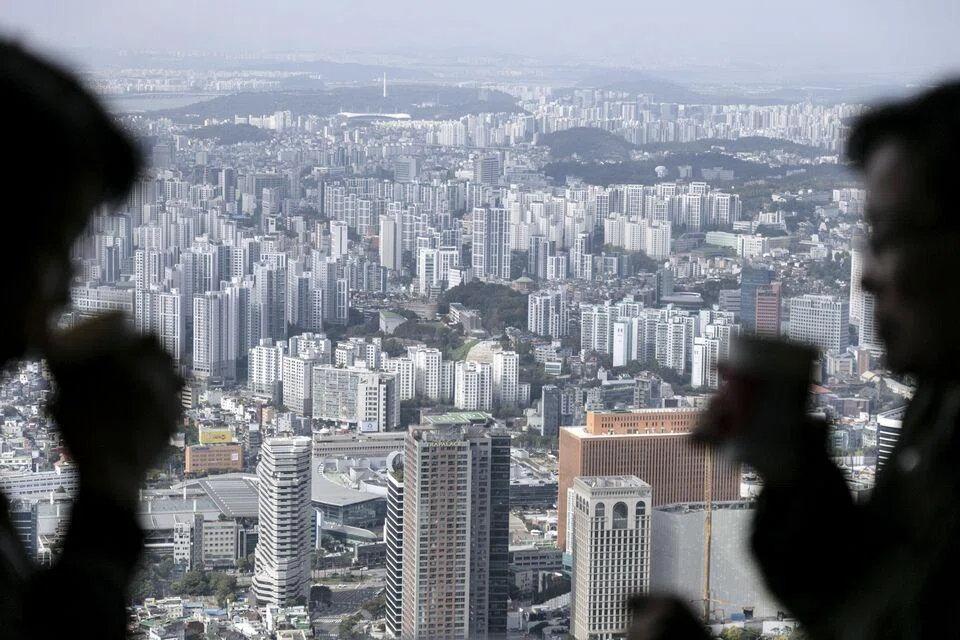
[SEOUL] South Korea’s presidential policy chief said policymakers need to consider how gains from the country’s chip-led boom will spread through the broader economy, warning that excess liquidity has historically found its way into the property market.
In a Facebook post over the weekend, Kim Yong-beom said South Korea’s nominal economic growth is running at its fastest pace in more than two decades, driven largely by soaring profits in the semiconductor industry thanks to the global artificial-intelligence boom. While headline indicators point to a period of exceptional growth, many households and small businesses have yet to feel the benefits, he wrote.
Kim highlighted the gap between real gross domestic product growth of 3.8 per cent and real gross domestic income growth of 13.2 per cent in the first quarter, arguing that rising chip prices have boosted the country’s purchasing power far more than actual output has grown.
Much of the resulting income gain has yet to filter through the broader economy, but could emerge in coming quarters through bonuses, wage increases and the repatriation of export proceeds, the policy chief said. That process may eventually support luxury spending and property demand, he wrote.
“Looking back, such money has repeatedly found its way into the real estate market,” Kim said, adding that it was difficult to assume this cycle would prove different.
Kim also called for a “normalisation” of property holding and capital-gains taxes, though he did not specify what policy changes he had in mind, if any. Apartment prices in Seoul have risen for 72 consecutive weeks as of mid-June, defying a series of government measures aimed at cooling the market, including tighter mortgage restrictions.
SEE ALSO


He also argued that stronger nominal growth may ultimately make it difficult to maintain current interest-rate levels indefinitely, while warning that the burden of tighter monetary policy could fall disproportionately on small businesses and vulnerable borrowers that have yet to benefit from the boom.
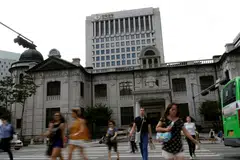
The Bank of Korea kept its policy rate unchanged at 2.5 per cent in late May, while signalling a more hawkish policy stance with mounting inflation pressures and better-than-expected economic growth.
Kim’s post offers a window into how President Lee Jae-myung’s administration may be thinking about the economic consequences of an AI-fuelled semiconductor windfall, including the risk that gains become concentrated in a narrow segment of society rather than supporting broader growth. BLOOMBERG
Decoding Asia newsletter: your guide to navigating Asia in a new global order. Sign up here to get Decoding Asia newsletter. Delivered to your inbox. Free.
Share with us your feedback on BT's products and services
TRENDING NOW

DBS, OCBC, UOB rout lops billions off STI as inflation, rate concerns spook investors

Grab CEO’s wife Chloe Tong on life with Anthony Tan and finding her purpose

OCBC sheds S$8 billion in value as shares close nearly 6% down; analysts cautious on banks

Deal between tycoon friends sparks scrutiny of Philippine power sector

