Spain lacks 750,000 homes, with hot spots from Madrid to the Mediterranean coast
Shortage of supply and rising demand are pushing prices higher and making housing less affordable
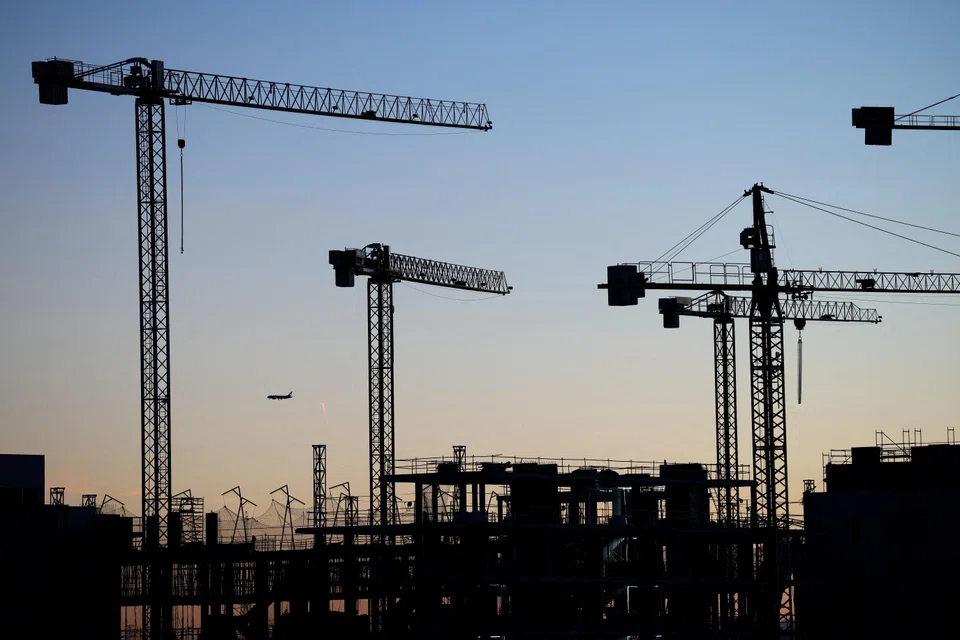
[MADRID] Spain keeps creating far more households than homes in a mismatch that could increasingly weigh on the economy and society, according to the central bank.
The country’s accumulated shortfall of dwellings now totals 750,000, nearly double Italy’s tally of 400,000 and more than equivalent gauges in France, Germany and Portugal, the Bank of Spain said in its annual report on Thursday (Jun 18).
Officials assess that about half of the mismatch between supply and demand is concentrated in Madrid, Barcelona and four other heavily populated provinces, particularly along the Mediterranean coast.
“The situation in the housing market may have negative implications for macro-financial stability and limit economic growth,” the report said. “In addition, inefficiencies in this market may lead to distributive effects that entrench situations of social vulnerability and distort the intergenerational distribution of wealth.”
The analysis illustrates one of the thorniest challenges faced by Prime Minister Pedro Sanchez’s government. The eurozone’s fourth-biggest economy has welcomed a wave of immigrants in recent years, fuelling growth but also creating such pressure on housing that the issue has become a perennially hot political topic for Madrid.
The volume of home sales, largely focused on existing properties, is similar to levels seen in the first months of 2008 when Spain was experiencing a housing bubble that later burst during the financial crisis.
The population has increased 8.5 per cent since then, however, while lending conditions are stricter and banks have strengthened balance sheets.
As a result, the central bank does not see “an accumulation of macro-financial imbalances, such as those observed during the housing boom of the 2000s”, the report said.
A combination of shortage of supply and rising demand, partly driven by migration-led population growth, is pushing prices higher and making housing less affordable.



Home-purchase prices rose 9.7 per cent in 2025, much more than in prior years and reaching “elevated levels from a historical perspective over the past five decades”.
The increase, which has outpaced household income growth, is making it harder for first-time buyers to qualify for mortgage credit.
The situation is particularly challenging for first-time buyers.
“Housing-access problems are progressively reducing the homeownership rate and contributing to lower rates of residential independence among young people,” the report said.
Conditions are no better in the rental market, however. The share of such households continues to rise relative to those owning homes. Affordability pressures on tenants are also intensifying.
More than a quarter now face housing costs in excess off 40 per cent of gross income. That is more than double the proportion in Germany, and also higher than the tallies in Italy and France. BLOOMBERG
Decoding Asia newsletter: your guide to navigating Asia in a new global order. Sign up here to get Decoding Asia newsletter. Delivered to your inbox. Free.
Share with us your feedback on BT's products and services