

Thai hotel chain leans on Asian guests as war disrupts travel
Centara, with more than 50 properties, mostly in Thailand, is seeing fewer European visitors
[KOH SAMUI] At a beachfront resort on Koh Samui, photo-obsessed travellers can book private sessions, with a dedicated photographer guiding them to the resort’s most camera-ready spots during a 20-minute shoot.
Elsewhere, at Centara Life properties, late-night noodle bowls cater to regional tastes. Across Centara Hotels & Resorts, such offerings are becoming more tailored.
They reflect a shift towards Asian travellers – and their preferences – at a time when European visitors are staying away, reshaping demand across Thailand’s hotel sector.
Centara, with more than 50 properties, mostly in Thailand, is seeing fewer European guests as the conflict in the Middle East disrupts long-haul travel routes.
Revenue has fallen about 6 per cent since the start of the Iran war compared with the same period a year earlier, according to the company. The hotel group is part of Central Plaza Hotel, controlled by the Chirathivat family, one of Thailand’s richest business dynasties.
“We were concerned it could worsen,” Centara’s chief operating officer Michael Henssler said. “But interestingly, the market has started to adjust and you can see things stabilising.”
The group had relied heavily on long-haul travellers, particularly Europeans who often transit through Middle Eastern hubs. Flight disruptions linked to the conflict have made those journeys harder, cutting into a key source of higher-spending guests.
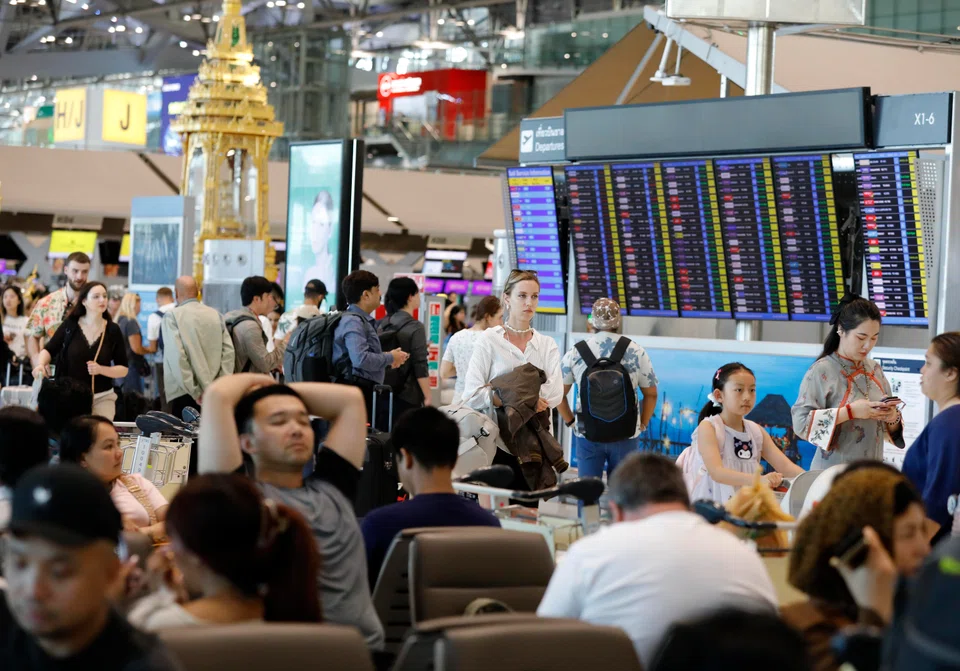
As European arrivals fall, Asian travellers are arriving in greater numbers.
Visitors from China and India are rising at a double-digit pace and now account for roughly half of Centara’s guests, up from about a third previously. The increase is helping fill rooms, although the new demand is “not as high-yielding”, he said.
SEE ALSO




The shift is also visible in broader travel data. Asia-Pacific arrivals rose nearly 6 per cent in March from a year earlier, while European visitors fell more than 4 per cent, according to Thailand’s Tourism Ministry.
Analysts say the pressure may persist. Prolonged geopolitical tensions are expected to weigh on Thai tourism from April, particularly hitting long-haul demand as flight disruptions, higher airfares, and safety concerns deter travellers, according to Bualuang Securities.
Trips are also shorter. Thailand’s proximity to major Asian cities is drawing visitors for a few days at a time rather than for longer holidays. “It means shorter trips, shorter distances and a shift in intent,” Henssler noted.
That change leaves the company, which has a growing presence in markets such as the Maldives, Vietnam and Japan, relying more on volume to make up for the loss of higher-spending long-haul travellers.
For now, bookings are picking up, with third-quarter performance tracking close to pre-conflict expectations and stronger demand later in the year driven by events and conferences, he added. BLOOMBERG
Decoding Asia newsletter: your guide to navigating Asia in a new global order. Sign up here to get Decoding Asia newsletter. Delivered to your inbox. Free.
Share with us your feedback on BT's products and services
TRENDING NOW

Once staunchly pro-China, Malaysian Chinese businesses are now distancing themselves from Beijing

Cliff Tan has 7 million followers and a 4-month waitlist. Why won’t he expand his business?

Could stablecoins be the future of money?

Grab CEO’s wife Chloe Tong on life with Anthony Tan and finding her purpose

