

Trump’s bid to block corporate homebuying blindsides Wall Street
Most of the major institutional landlords have sharply curtailed purchases since the middle of 2022
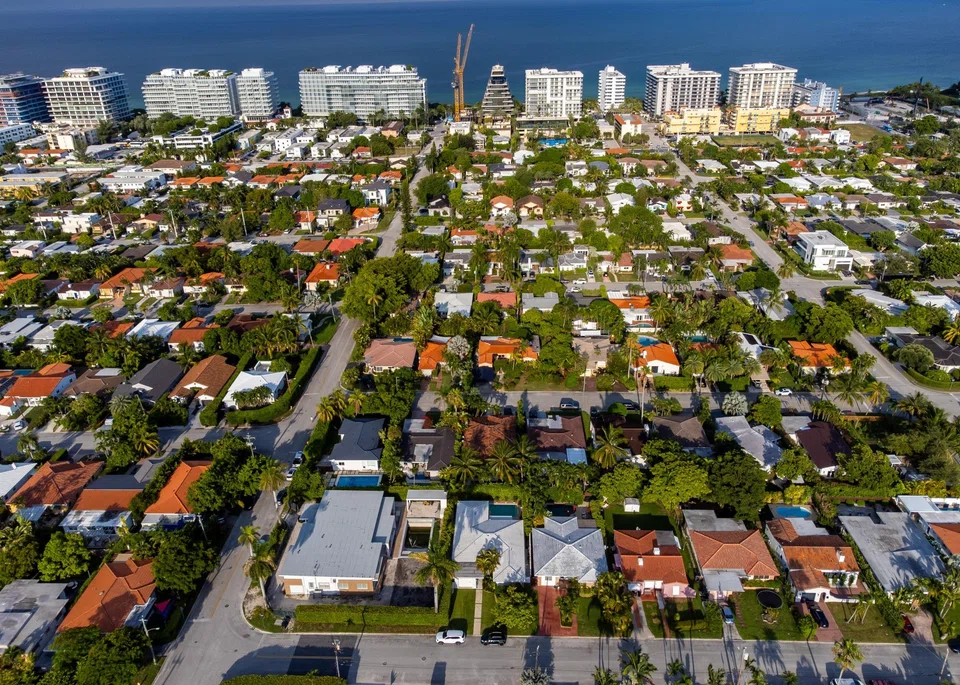
[NEW YORK] The time of the corporate landlord as America’s housing villain was supposed to be over.
Money managers such as Blackstone and Pretium who binged on single-family rentals in the wake of the financial crisis, took blow after blow as housing prices shot up. But the cohort has since cooled its buying, and the attacks slowed.
No longer. US President Donald Trump on Wednesday (Jan 7) brought the issue front and centre when he pledged in a social media post to stop institutional investors from buying more homes. Some major owners of single-family rental homes were blindsided by the news, according to sources with knowledge of the matter.
Traders immediately dumped shares thought to be exposed. Blackstone’s stock fell as much as 9.3 per cent and Invitation Homes, the biggest owner of rental homes in the US, as much as 10 per cent. Trump’s edict was light on details – and the shares pared those losses in later trading – but the message was sent.
“He clearly has levers he can pull to attempt to do what he’s saying, which can make life pretty miserable for these companies,” said Jeffrey Langbaum, a senior real estate analyst with Bloomberg Intelligence. “When you come out on the side of helping the individual person more easily afford a home and all you have to do is blame the big institutions, that sells.”
Trump said that he will “immediately” take action to ban large institutional investors from buying more single-family homes, and that he will ask Congress to codify it.
Analysts at RBC Capital Markets said that the plan is bad news for Invitation Homes and American Homes 4 Rent, two publicly traded landlords focused on rental houses. But the companies “are long past the time of significant growth in home count, and we don’t view growing the footprint as core to the business at this point”, they added.
The same is likely true for firms such as Blackstone portfolio company Tricon, which owns more than 56,000 homes, and Cerberus Capital Management’s FirstKey Homes, which has about 49,000 properties, according to SFR Analytics.
But the impact of deep-pocketed investors on home-buying opportunities is frequently overstated. The top 24 owners of single-family rentals own just over 520,000 homes combined, according to SFR Analytics. That’s equal to roughly 3.5 per cent of the 15 million rental homes in the US and less than 1 per cent of the total single-family housing stock.


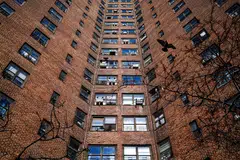
“Our ownership of US single-family homes represents about 2 per cent of our real estate AUM and 0.5 per cent of the overall firm,” Blackstone said. “We have also been a net seller of homes over the last decade – with our holdings down more than one-fifth.”
Cerberus and Pretium declined to comment.
Punching bags
Institutional landlords have been favoured punching bags over the last decade, with critics painting the firms as profiteers that gained from the US foreclosure crisis and exacerbated affordability challenges that have reached historic proportions.
The barbs have come from both sides of the political spectrum. In 2019, Democratic Senator Elizabeth Warren of Massachusetts slammed Blackstone for “shamelessly” profiting from the 2008 housing crisis. A couple of years later, Vice-President JD Vance started a firestorm when he said that institutional landlords were making it hard for young Americans to buy homes.
“I think my first reaction was, ‘oh no, not this again’,” said Sean Dobson, chief executive officer of rental home company Amherst Group. “Banning investors from putting capital into the housing market is not going to make affordability any better.”
Most of the major institutional landlords have sharply curtailed purchases since the middle of 2022, when rising interest rates and stubbornly high home prices made it increasingly difficult to find homes that produced enough rent to cover the debt service on a mortgage.
Even so, they remain a major presence in Atlanta, Dallas, Phoenix, Tampa and other metro areas that have grown in recent years. But pushing them out of the market entirely is unlikely to make homes more affordable, according to Realtor.com senior economist Jake Krimmel.
“The affordability crisis is fundamentally a supply problem,” Krimmel said. “Large corporate ownership is a red herring in the broader supply debate: most single-family rentals are owned by small landlords, and many of the markets where institutional investors have been most active are also places where inventory has already been rising and price growth has cooled over the past two years.” BLOOMBERG
Decoding Asia newsletter: your guide to navigating Asia in a new global order. Sign up here to get Decoding Asia newsletter. Delivered to your inbox. Free.
Share with us your feedback on BT's products and services
TRENDING NOW

Government to bring forward raising of retirement age, give employers more financial support to create flexi-load jobs

Indonesia stocks suffer worst plunge in nearly 30 years as MSCI proposes standalone status

If Europe goes to war, the fallout will be felt in East Asia
Natural gas to stay for the long haul beyond 2050: Singapore International Energy Week panellists

