

As UK mortgage rates soar, residential property prices could see dips of up to 10%: analysts
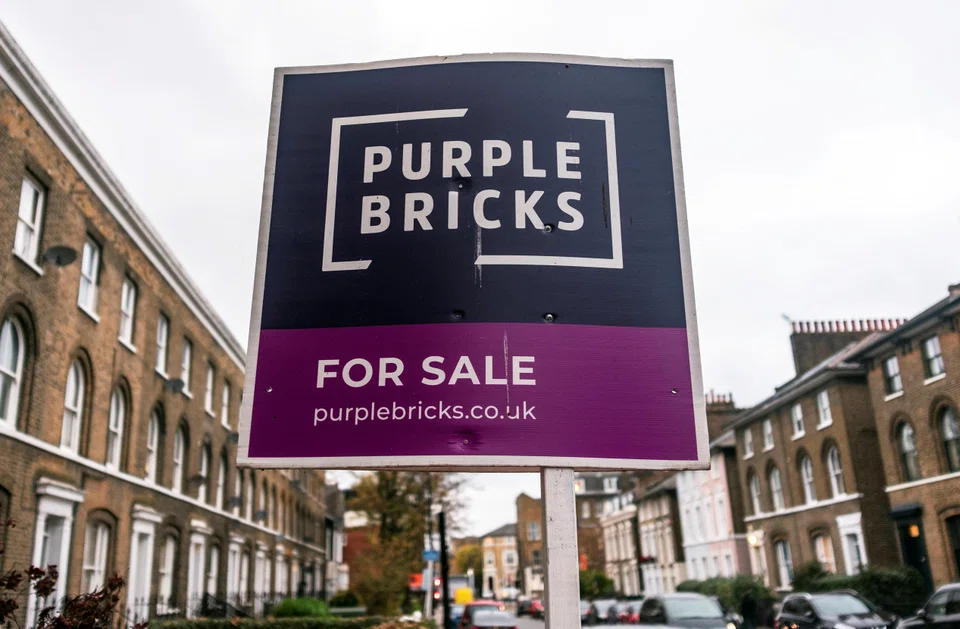
[LONDON] With mortgage rates in the UK rising sharply over the last two years – they are between 4 per cent and 6 per cent today, up from an average of 1.5 per cent in early 2021 – residential property analysts say they expect prices to fall by as much as 10 per cent over the next 12 months.
Those forecasts, however, should be seen in perspective. On average, house and apartment prices in the UK surged by 20 per cent from the start of the pandemic in 2020 and peaked in August last year. Since then, average prices have fallen by 4-5 per cent to around £282,000 (S$452,780), according to estimates by Halifax, Britain’s largest mortgage lender.
And there’s also a big question mark about how the British economy will fare in 2023. Both the Bank of England and the International Monetary Fund have said that there will be a shallow recession at worst.
According to agents and consultants of both buyers and sellers, quality apartments and houses in London and the south of England are in short supply.
Philip Harvey, a senior partner at Property Vision, said: “They will be underpinned by demand from wealthy local and foreign buyers who have more than adequate spare cash.” Property Vision is an advisory that specialises in prime London and country houses that cost anywhere from £2 million to in excess of £50 million.
He noted that cheaper properties ranging from £250,000 to £600,000 will be vulnerable to further price declines because of higher mortgage rates and a surge in energy costs.
The foreign buyers of London properties come from all over the world, including the US, the Middle East, Hong Kong and Singapore, said Harvey.
“London’s property market has started the year better than expected,” said Tom Bill, the head of UK residential research in a report by Knight Frank. Using data from the past ten years, “the third week of 2023 experienced the fourth-highest number of offers accepted in London during a single week in January.”
He added that London’s home sales are also benefitting from a return to more urban living as the Covid-19 pandemic winds down in the UK.
Average UK rentals rose from around £980 in the fourth quarter of 2020 to just under £1,200 in the fourth quarter of last year, and this will go up by 10 per cent by the end of 2023, said a report by JLL, the international real estate firm.
London has a different tenure profile to other parts of the country, according to Knight Frank. The firm estimates that 29 per cent of homes are rented in London, compared to 17 per cent for the whole of England.
Simon Rubinsohn, the chief economist at the Royal Institute of Chartered Surveyor (RICS), was cautious about potential difficulties in the UK residential market this year.
“The volume of deals is well down but that’s not surprising as buyers are uncertain and are waiting for predicted declines. Sellers are reluctant to reduce offer prices,” he said in an interview.
A RICS survey of its members in December last year showed that across the UK, net new buyer enquiries fell 39 per cent, a rate similar to the previous month. This signalled ongoing weakness in demand. The number of fresh property listings fell by 23 per cent month-on-month.
Supplies are also down as developers, faced with higher materials and wage costs, are delaying construction.
Mortgage approvals for house purchase fell to just 35,600 in December, the lowest level since May 2020, according to BOE figures. Approvals for remortgaging fell to 26,100, from 32,600 in November, the lowest level since January 2013.
Despite these disappointing trends, the current property climate “does not feel like the downturns subsequent to the great financial crisis of 2008 and 2009; nor the slides in the early 1990s and 1980s”, said Rubinsohn.
“There will continue to be an adjustment because mortgage rates have risen, but so far there are no signs of distress selling from owners who had down payments of only 10 per cent,” he said. “Unemployment is low and there are plenty of job vacancies.”
TRENDING NOW

If Europe goes to war, the fallout will be felt in East Asia

Indonesia stocks suffer worst plunge in nearly 30 years as MSCI proposes standalone status

Keppel seeks US$1 billion for Vietnam investments as it joins country’s international financial centre

Philippines’ FDI slowdown exposes uneven investment prospects across S-E Asia

