

UK residential property prices unlikely to keep up with inflation in next 12 months: analysts
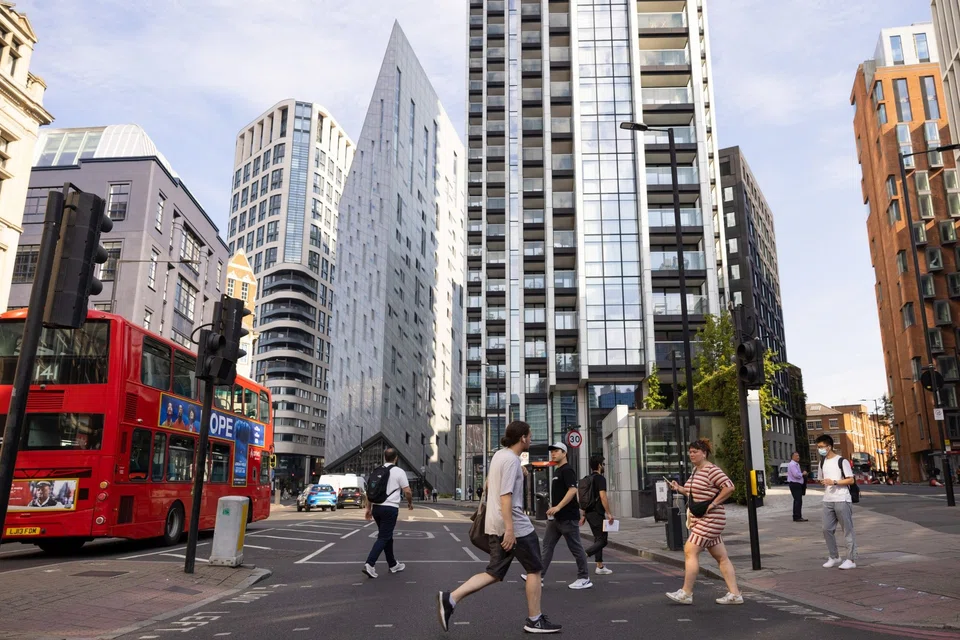
PROPERTY prices in London and the rest of the UK are not likely to keep up with the pace of general inflation over the next 12 months, said analysts.
But while property prices are expected to fall over the next year, observers say a major price slump in nominal terms is unlikely, as there continues to be an acute shortage of houses and apartments, especially quality properties.
Real estate agents including Savills and Knight Frank are forecasting a 5 per cent to 10 per cent price appreciation for both prime central London and the outlying areas for the whole of 2022. Both firms agree that economic headwinds, notably the higher cost of living and rising mortgage rates, are likely to crimp nominal price growth heading in 2023.
Indicating the trend, the number of property sales have slid this year, according to the Royal Institute of Chartered Surveyors (RICS). According to its latest residential market survey for July 2022, “sales expectations are the most downbeat since March 2020” in the early days of the coronavirus pandemic. The report noted that new buyer enquiries across the UK had fallen for a third straight month in July.
“House price growth is peaking as supply rebuilds and mortgage rates normalise,” said Tom Bill, the head of UK residential research at Knight Frank. “But one lesson from the pandemic is that nothing reverts to normal overnight. This is particularly true in a relatively slow-moving market like residential property. We therefore expect a more gradual return to earth for prices.”
He added that the distortive effect of low supply has also kept rental value growth high, but slower sales and lower than expected apartment prices may encourage more landlords to rent out their properties, which will cause rents to subside.
In contrast, wealthy buyers from the Middle East have boosted sales of prime properties priced at £5 million (S$8.2 million) and above, with many also moving into apartments and homes with above-average rents.
Observers said a huge incentive is the weaker pound, which has slumped against the US dollar and Saudi riyal this year. The decline of 18 per cent and 15 per cent respectively against those 2 currencies has slashed their purchase and rental costs considerably. The super-rich have bought prime residential properties in Knightsbridge, Mayfair, Kensington, Belgravia and Regent’s Park, agents said.
The proportion of sales in the £5 million to £10 million range is tinier by comparison. According to the UK’s Office of National Statistics, average selling prices in prime London areas such as Kensington and Chelsea rose by 12.2 per cent in the past 12 months to an average of £1.36 million. Westminster, where parliament is situated, was up by 10 per cent to £944,000, while the City of London appreciated by 7.3 per cent to £830,000
Prices outside London have risen sharply in the past few years, but are still much lower than London. The average for the whole of the UK is £286,000. In the more popular towns and cities, Cambridge prices rose by 10.3 per cent in the 12 months ended June 2022 to £507,000, Oxford was up by 5.1 per cent to £474,000; Birmingham up 8.8 per cent to £226,000; and Manchester by 9.3 per cent to £225,000.
Property consulting firms Cebr and Capital Economics have gone a step further and predicted a contraction in nominal property prices in the UK next year.
“The significant headwinds facing the UK economy are expected to spell an end to the significant buoyancy witnessed in the housing market during the pandemic period, said Karl Thompson, a property economist at Cebr. “In particular, higher mortgage rates and eroded real incomes are set to notably dent mortgage affordability and housing demand.”
Andrew Wishart, a senior property economist at Capital Economics, added: “Tight supply has supported house prices so far, but they now appear to be stalling. Demand will only deteriorate further over the coming quarters as rising mortgage rates, high inflation, and the recession weigh on buyers’ budgets and confidence.”
Capital Economics predicts that house prices will fall by 7 per cent over the next 2 years, and mortgage approvals and transactions are also set to slump to their lowest levels for over a decade.
TRENDING NOW

VietJet hit with global asset freeze in FitzWalter dispute

FCT, NLB to turn Causeway Point’s former cinema space into reading hub in mall revamp

Family offices ‘kept captive’ by relationship managers turn to independent advisers, direct deals

Olivia Lum, ex-CFO not giving evidence in their Hyflux trial

