Vietnam’s mortgage rate surge putting homeownership out of reach
Loans to real estate sector jumped 42% in 2025, more than twice the pace of overall credit growth: World Bank
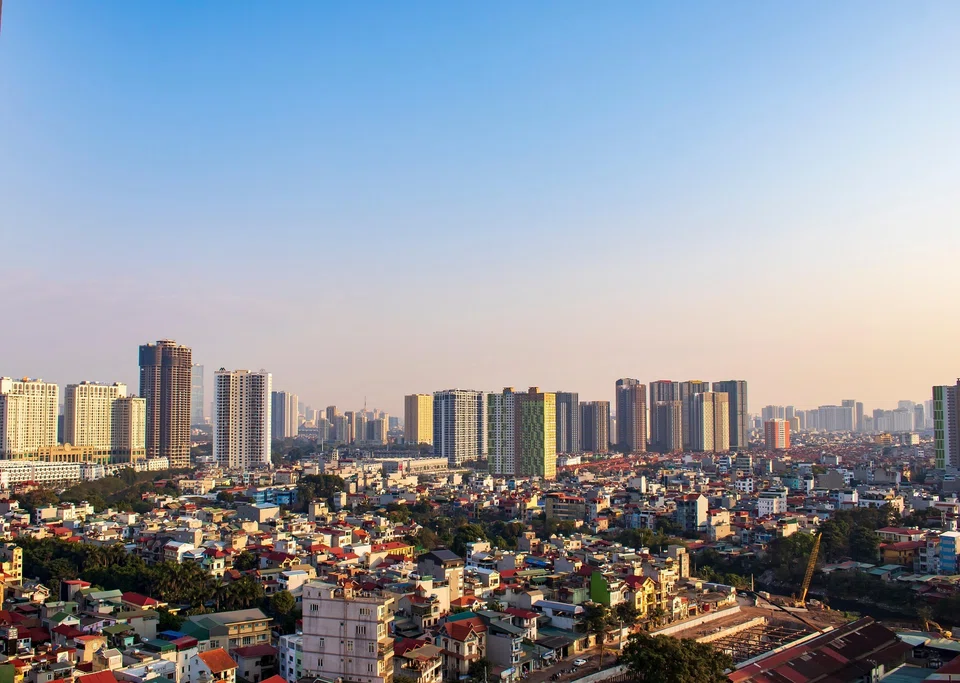
[HANOI] Would-be homeowners in Vietnam are being hit by sharply higher mortgage rates as banks face growing pressure to fund the government’s ambitious nationwide infrastructure push.
Mortgage rates have climbed steeply in recent weeks, with average charges now around 12 per cent to 14 per cent and floating rates reaching as high as 15 per cent to 16 per cent, the construction ministry said last month. That is a sharp increase from 2025, when banks were offering buyers aged under 35 introductory rates of 5 to 7 per cent.
Vietnam’s push to build roads, railways and other infrastructure is putting added strain on banks as the government seeks to drive economic growth to 10 per cent.
As recently as August, financial institutions were lending faster than they were taking in deposits, intensifying competition for money and driving up borrowing costs.
The funding shortfall in August was estimated at US$77 billion.
Meanwhile, loans to Vietnam’s real estate sector jumped 42 per cent in 2025, more than twice the pace of overall credit growth, according to the World Bank.
That surge in property lending, however, has only served to push up real estate prices rather than broader economic output, the bank said in a May report.
Vietnam’s central bank has since urged lenders to rein in loans to the property sector, which already accounts for about a quarter of outstanding advances.
Nguyen Hong An, a 29-year-old office worker in Ho Chi Minh City, was considering a three billion dong (US$115,000) apartment but with only around one billion dong in savings, he is weighing putting those plans on hold.
SEE ALSO



“I’ll see if I can borrow from my family and relatives for the purchase, otherwise I’d rather wait until rates cool down,” An said. He estimates his mortgage repayment would be about 30 million dong a month, more than he could afford.
In Vietnam, homes cost more than 30 times annual household income for many citizens, well above the international affordability benchmark of three to eight times, according to the World Bank.
Younger Vietnamese seeking to get a foot on the property ladder are the most exposed as the triple threat of rising prices, a shortage of affordable housing and pricier mortgages forces many to put hopes of homeownership on hold.
In an unusually stark message, the State Bank of Vietnam warned in August that the credit imbalance poses potential risks to the stability of the financial and monetary system.
Lenders have been told to prioritise loans to small and medium-sized businesses as there is “very limited room” for monetary policy to support growth.
Agribank, one of the country’s largest state-owned commercial banks, has also tightened scrutiny of property lending, including reviews of projects’ legal status and developers’ ability to repay.
The bank said that the move is to ensure capital is deployed safely and profitably. Social housing that meets genuine demand is being prioritised, rather than speculative or high-end developments that carry greater risk, it added.
The combination of higher borrowing costs and limited affordable housing is already weighing on sales, which were down 36 per cent in the second quarter from a year earlier, with about 100,000 transactions recorded.
That is putting pressure on developers’ cash flow and inventories, the construction ministry said.
Vietnam’s residential real estate market, particularly in bigger cities, remains dominated by luxury developments.
High-end apartments accounted for more than 70 per cent of new supply in the first six months of 2026, according to the Vietnam Association of Real Estate Brokers.
New affordable housing supply in the capital city of Hanoi, for example, has declined by about 28 per cent each year since 2022, Savills Vietnam said.
“The problem is that there’s a strong skew towards building high-end homes that don’t match the social housing” people are looking for, said Willie Tanoto, senior director at Fitch Ratings.
The shortage of affordable homes is being exacerbated by rising development costs, including land clearance expenses, and lengthy regulatory approvals.
The supply imbalance meanwhile is fuelling speculation and property flipping, pushing prices even higher, the construction minister said in parliament.
For existing homeowners, the concern is what happens when borrowing costs rise.
Nguyen Thi Ngoc Trinh, 33, an assistant manager at an insurance company, has a two billion dong mortgage at a fixed rate of 6.5 per cent. Her loan is due to switch to a floating rate in October.
“I’m worried my monthly payments could nearly double,” Trinh said.
She plans to ask her bank for a grace period on principal repayments. “I may sell some of my gold to reduce the loan and keep monthly payments under control.” BLOOMBERG
Decoding Asia newsletter: your guide to navigating Asia in a new global order. Sign up here to get Decoding Asia newsletter. Delivered to your inbox. Free.
Share with us your feedback on BT's products and services