

Retailers warn of being outpaced by foreign rivals as they lay out Budget 2026 proposals
These aim to strengthen local retailers’ competitiveness and ease manpower pressures in a tougher operating environment

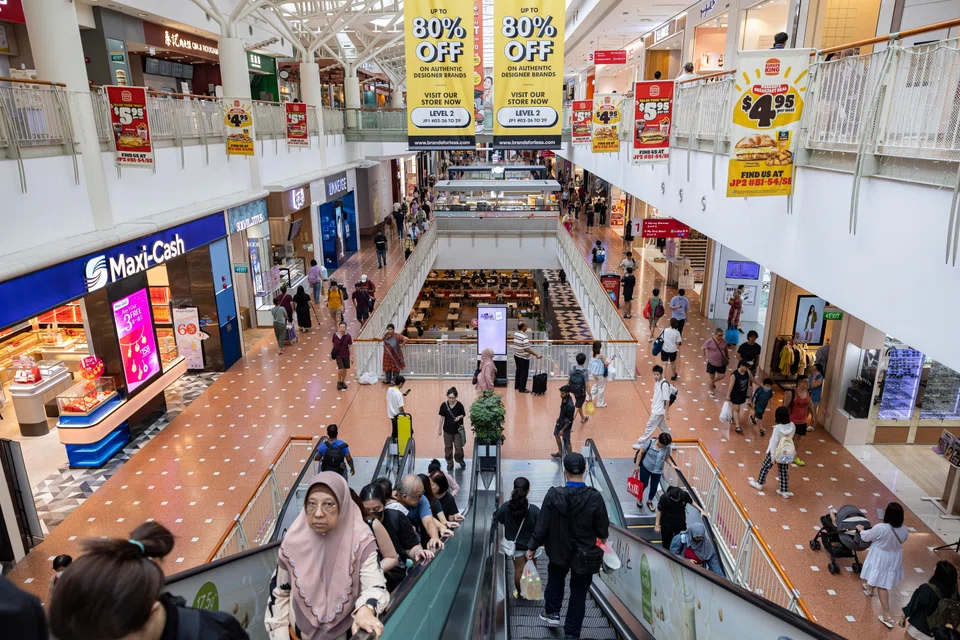
[SINGAPORE] The Singapore Retailers Association (SRA) on Thursday (Jan 15) outlined seven recommendations for Budget 2026, ranging from limiting the influx of foreign franchises to refining the use of Community Development Council (CDC) vouchers.
The recommendations – formulated with input from the Franchising and Licensing Association (Singapore), the Restaurant Association of Singapore, the Singapore Fashion Council and the Singapore Furniture Industries Council – come about a month ahead of the Budget statement on Feb 12.
They were grouped under three broad objectives – boosting the competitiveness and growth of local small and medium-sized enterprises (SMEs), tackling “severe manpower challenges” and advancing sustainability – against the backdrop of a challenging operating environment for the sector.
SRA said in its statement that some segments of the industry were facing “mounting difficulties”. For instance, data from the Singapore Department of Statistics showed that retail sales in the apparel and footwear category fell 3.7 per cent year on year in October 2025.
The association added that the retail landscape is increasingly shaped by rising rents in prime areas, with its president Ernie Koh noting that without sustained support, “many local businesses risk being outpaced by well-funded foreign competitors”.
This, he said, would hinder the sector’s “vitality and resilience in an increasingly competitive and uncertain global market”.

While tourism initiatives such as the Formula 1 Grand Prix and international concerts continue to support the hospitality sector, their spillover into domestic retail “remains muted due to the strong currency’s dampening effect on spending”, SRA said.
Local SME competitiveness and growth
Under this objective, SRA proposed introducing a franchising and licensing accreditation scheme to address the “rapid influx of foreign franchises and licensing arrangements”.
While Singapore’s open economy has drawn international brands and added vibrancy and consumer choice, this has also “contributed to disruptions in manpower allocation and upward pressure on rental rates, affecting local SMEs and market stability”, the statement said.
SEE ALSO




The accreditation scheme would thus serve as a registration and tracking mechanism for foreign brands, helping stakeholders monitor market entry, protect local firms and reinforce Singapore’s standing as a well-regulated franchising hub, said SRA.
A second proposal under this pillar is a capacity-building programme for SMEs with S$1 million to S$10 million in revenue, offering not just growth capital but access to networking opportunities that include business leaders, investors and advisers.
A third proposal is to refine the CDC voucher scheme from broad location-based eligibility to more targeted use for essential items such as groceries, education, healthcare and basic household goods.
Manpower
The fourth proposal involves extending the Progressive Wage Credit Scheme’s (PWCS) co-funding support beyond 2026.
For retail, this would involve raising PWCS co-funding from 20 per cent to 75 per cent in 2026 before reducing it to 50 per cent in 2027 and 2028, while food services would receive up to 75 per cent co-funding for its next round of wage increases under the Progressive Wage Model.
The statement said the wage support would be crucial in helping defray escalating costs coming from rising operational costs, as well as competition from Johor Bahru.
The fifth recommendation calls for lowering the cost of hiring foreign manpower for frontline retail roles.
This includes raising the dependency ratio ceiling, which caps the proportion of Work Permit and S Pass holders in a company’s workforce and is currently set at 35 per cent for the services sector – a level the statement said is “significantly lower” than in other industries competing for the same local manpower pool.
It added that greater access to foreign manpower is needed as retail is not a preferred career choice for many Singaporeans, with local recruitment challenges persisting despite efforts to redesign roles and raise wages.
The proposal also includes either cutting the foreign worker levy by 20 to 30 per cent for firms that have earned industry-recognised service awards, or offering levy rebates to companies that invest in training and developing their frontline local and foreign workers.
The sixth proposal calls for incentives to encourage firms to hire and retain mature professionals, managers, executives and technicians aged 50 and above, including linking foreign worker quotas to age-inclusive hiring and strengthening training and skills conversion programmes to help older workers stay employable.
Advancing sustainability
The final recommendation calls for expanding sustainability support for retailers by extending the Climate Vouchers scheme to companies with recognised green certifications, to help them meet rising environmental standards under the Singapore Green Plan.
For more of BT’s Budget 2026 coverage, go to bt.sg/budget26
Decoding Asia newsletter: your guide to navigating Asia in a new global order. Sign up here to get Decoding Asia newsletter. Delivered to your inbox. Free.
Copyright SPH Media. All rights reserved.
TRENDING NOW

Malaysian king buys stake in Singapore-listed mining firm expanding into rare earths

Family offices ‘kept captive’ by relationship managers turn to independent advisers, direct deals

Once staunchly pro-China, Malaysian Chinese businesses are now distancing themselves from Beijing

Could stablecoins be the future of money?

