‘Very disappointed’: Singapore disagrees with US tariff rationale, to seek lower levies
The investigation’s findings do not consider the structure of the city-state’s economy, says METI

[SINGAPORE] The Republic disagrees with findings from the US Trade Representative’s (USTR) office, and is “very disappointed with the proposed actions” against Singapore, the Ministry of Energy, Trade and Industry (METI) said on Thursday (Nov 26).
The ministry added that it will continue to engage the USTR “constructively”, including to urge the USTR to reconsider its proposed actions on Singapore and to explore ways to reduce the tariff.
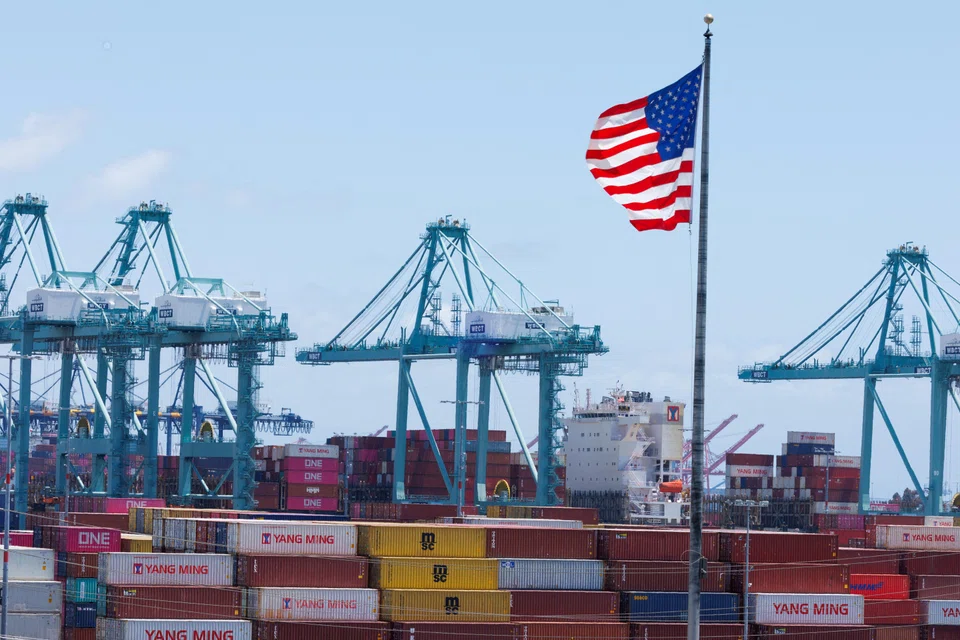
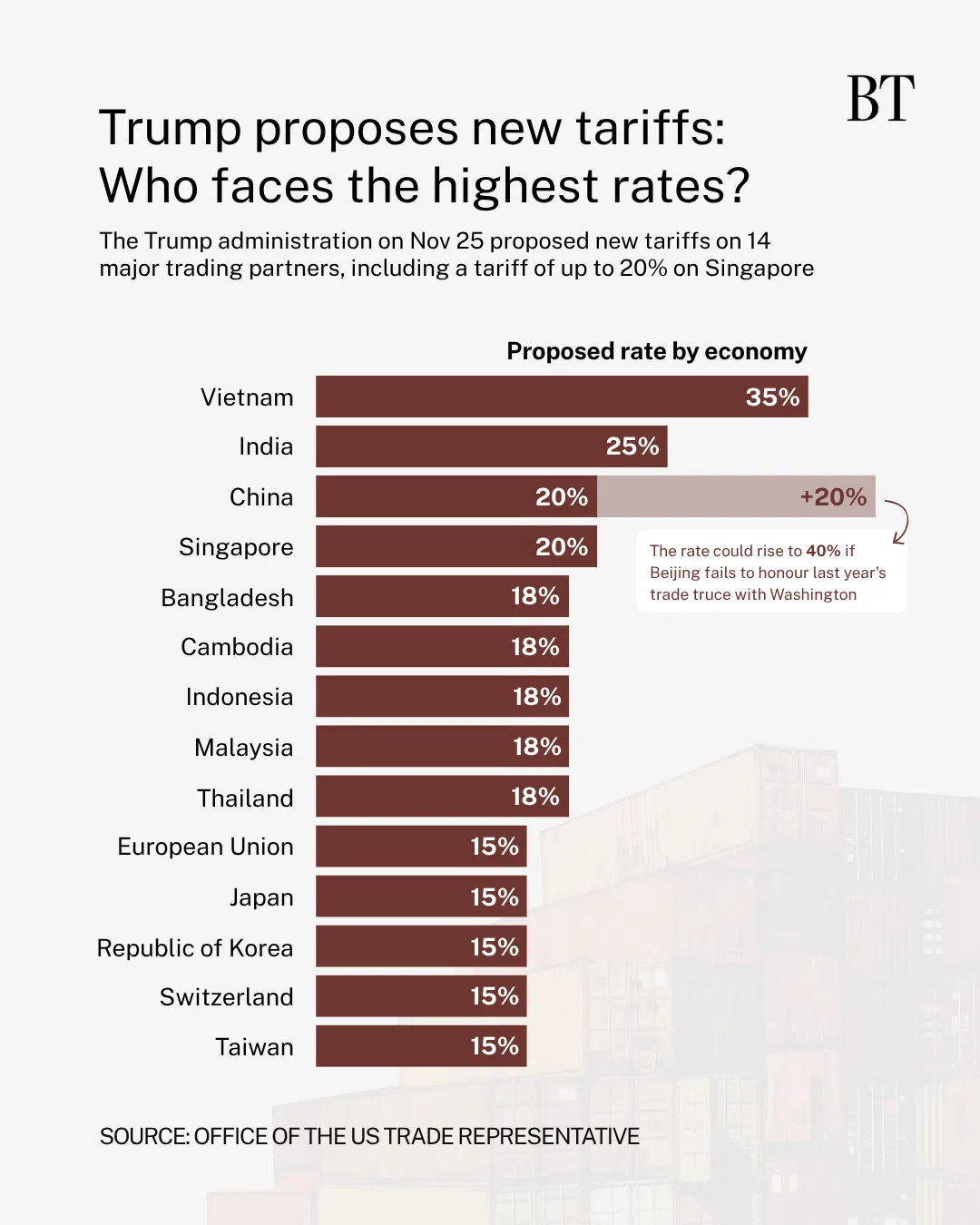
The statement comes the day after US President Donald Trump’s administration proposed further tariffs on 14 major trading partners, including Singapore. It follows the USTR’s eight-month investigation into excess industrial capacity.
The proposed new maximum rates range between 20 and 40 per cent, to counter excess industrial capacity that the administration says these countries are promoting, undermining US manufacturing.
For Singapore goods, it proposed a rate of up to 20 per cent, taking into account existing Section 301 tariffs, with exemptions for certain goods.
But the USTR’s office said it intends to cap new tariffs at lower levels, decided through ongoing or completed trade deals.

METI said the probe’s findings do not consider the structure of Singapore’s economy. The city-state’s global trade surplus reflects its outward and market-oriented economy, and status as a trusted business and trading hub, explained the ministry.
Therefore, Singapore’s priority, as a small country with limited resources, is ensuring that it remains competitive and its markets operate efficiently, it added.
“Singapore’s economic policies do not protect our domestic market or subsidise manufacturing for export,” METI said. “Our free trade agreements seek to lower barriers to trade and investments, and are fully compliant with World Trade Organization rules.”


It added that it has “engaged the USTR actively and thoroughly addressed its queries and concerns”.
“We will be submitting further comments during the upcoming public consultation period to address the issues raised in the report,” it said.
Decoding Asia newsletter: your guide to navigating Asia in a new global order. Sign up here to get Decoding Asia newsletter. Delivered to your inbox. Free.
Copyright SPH Media. All rights reserved.