

Singapore sets aside S$118 million for research into bio-based chemicals
The announcement comes as a new centre opens, focusing on engineering biology
Annabeth Leow
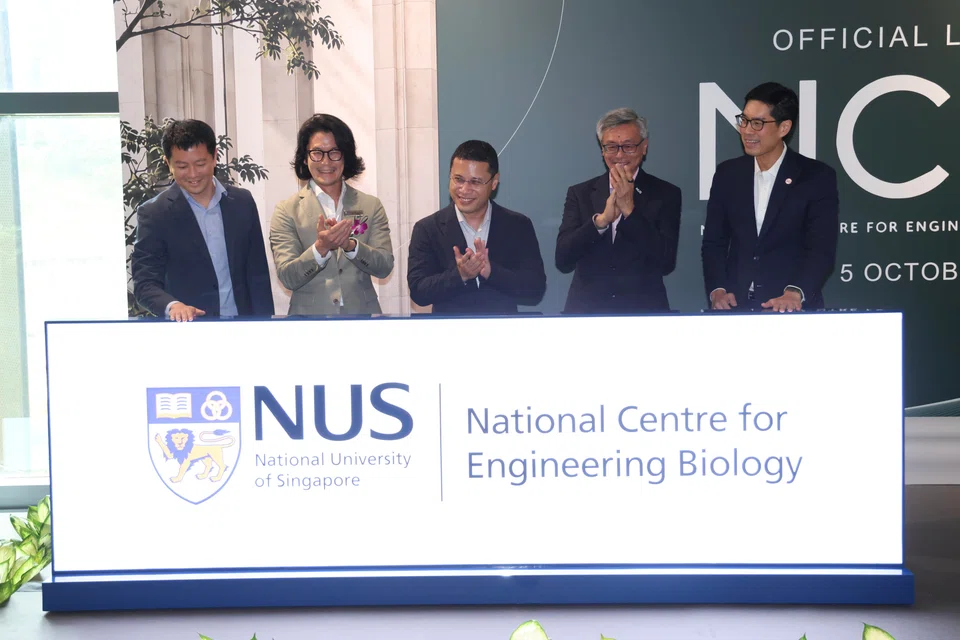
[SINGAPORE] Some S$118 million in public funding has been set aside for research into producing chemicals from biological materials – the single largest such commitment to date.
Launched on Monday (Oct 5) under the S$37 billion Research, Innovation, Enterprise (RIE) 2030 plan, this latest funding initiative will address industry challenges in Singapore’s energy and chemicals sector, which makes up one-fifth of domestic manufacturing output.
Minister for Education Desmond Lee, who announced the new initiative, said that it would support research by institutes of higher learning and the Agency for Science, Technology and Research (A*Star), by “bringing our strengths closer to industry needs and wider application”.
Jermaine Loy, managing director of the Economic Development Board (EDB), noted: “There are opportunities for Singapore to grow our capabilities in innovation and production of higher-value specialty chemicals and advanced materials, while supporting the transformation of our existing industrial base towards more sustainable production.”
Industry opportunities
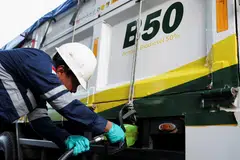
The new Bioeconomy Funding Initiative aims to meet growing industry interest in chemicals made from biological alternatives to petroleum-based feedstocks, such as yeast or oil palm.
Based on consultations with companies and investors, the initial research will target turning by-products, or “sidestreams”, into usable materials; developing new microbe and enzyme-based production methods; and improving efficiency in processing and production.
R&D projects will also be built around finding the best mix of biological and chemical solutions to create commercially relevant goods, such as high-grade synthetic rubbers. These projects will be managed by a dedicated office housed at A*Star, and industry engagement will be led by EDB.
The latest scheme builds on previous funding commitments, and will take government spending on bioeconomy-related initiatives to roughly S$200 million over the next five years.
“Our ambition is for the bioeconomy to become a new source of growth for Singapore,” said EDB’s Loy, indicating the potential for new business opportunities and job creation in areas such as specialty chemicals and advanced materials.

Research ecosystem
The announcement came at the opening of the S$50 million National Centre for Engineering Biology (NCEB), which was set up with funding from the earlier five-year RIE 2025 plan.
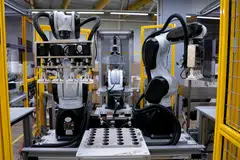
The NCEB, which is based at the National University of Singapore, brings talent from multiple organisations together to work on manufacturing specialty chemicals, as well as product design and testing that is enabled by machine learning and artificial intelligence.
The centre is supported by more than 150 researchers, students and professional staff in partner institutions, with recruitment under way for another 50 roles, such as principal investigators, postdoctoral researchers and technical, engineering and management staff.
Speaking at the NCEB launch, Lee noted that Singapore is well-positioned to contribute to the field of engineering biology, “tackling global challenges while strengthening advanced manufacturing and supply chain resilience”.
He added: “With NCEB, the new initiative and our strong partnerships, Singapore can seize these opportunities – improving lives and contributing solutions to the world.”
Decoding Asia newsletter: your guide to navigating Asia in a new global order. Sign up here to get Decoding Asia newsletter. Delivered to your inbox. Free.
Share with us your feedback on BT's products and services
TRENDING NOW

Government to bring forward raising of retirement age, give employers more financial support to create flexi-load jobs
If Europe goes to war, the fallout will be felt in East Asia
Former minister Maliki Osman, Revolut chairman join Asia Gulf Holdings advisory board

Small nuclear reactors could boost the Asean Power Grid: GE Vernova executive

