

Electricity tariff for Singapore households to rise by 17%, gas tariff by 7.1% from July to September
The overall electricity tariff, including for non-households, will rise by an average of 17.5% or 4.66 cents per kilowatt-hour
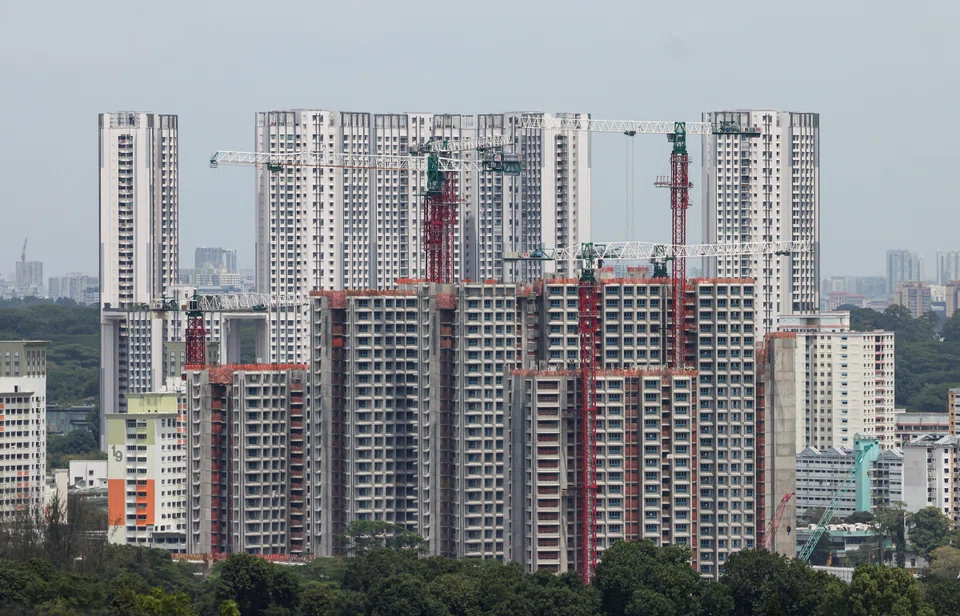
[SINGAPORE] Households in Singapore will see a 17 per cent increase in electricity tariff from July to September, while town gas tariff will also go up by 7.1 per cent.
In a statement on Tuesday (Jun 30), the Energy Market Authority (EMA) said the higher prices are due to increased prices of natural gas amid the conflict in the Middle East.
Natural gas prices increased sharply from the end of February, and remained elevated from April to June, leading to higher costs of producing electricity and town gas here, it added.
Grid operator SP Group said in a statement on Tuesday that electricity prices for homes will go up by 4.64 cents per kilowatt-hour (kWh) from the previous quarter, to 31.91 cents per kWh, before goods and services tax
This means that a four-room Housing & Development Board household can expect a S$17.14 increase in its average monthly electricity bill before GST.
The overall electricity tariff, including for non-households, will increase by an average of 17.5 per cent or 4.66 cents per kWh.
In a separate statement, piped town gas provider City Energy said the gas tariff for households will increase by 1.56 cents per kWh from the previous quarter, to 23.48 cents per KWh, before GST.
SP Group and City Energy review the electricity and gas tariffs every quarter based on guidelines set by EMA, which is the regulator.
Electricity and gas tariffs can fluctuate from quarter to quarter due to volatile global fuel prices driven by geopolitical factors.
The tariffs are determined based on gas prices in the first two-and-a-half months of the preceding quarter.
Thus, changes in fuel prices in a quarter will only show up in the electricity tariffs in the next quarter.
This was the case for April to June when electricity tariffs rose slightly, as it only accounted for the rise in fuel prices from when the Middle East conflict began on Feb 28, to Mar 15.
During this period with elevated fuel prices, consumers on electricity retail contracts may see higher prices at the point of contract renewal, EMA said.
“The situation in the Middle East remains uncertain,” the authority said, adding that fuel prices may fall if the situation improves, resulting in lower electricity and town gas tariffs in the fourth quarter of the year.
“EMA continues to monitor the fuel supply situation closely and work with the industry to ensure supply security,” it said. THE STRAITS TIMES
Decoding Asia newsletter: your guide to navigating Asia in a new global order. Sign up here to get Decoding Asia newsletter. Delivered to your inbox. Free.
Share with us your feedback on BT's products and services
TRENDING NOW

DBS, OCBC, UOB rout lops billions off STI as inflation, rate concerns spook investors

Grab CEO’s wife Chloe Tong on life with Anthony Tan and finding her purpose

OCBC sheds S$8 billion in value as shares close nearly 6% down; analysts cautious on banks

Deal between tycoon friends sparks scrutiny of Philippine power sector

