F&B sector will have to use tech and other means to beat manpower crunch: Low Yen Ling
Singapore’s ageing population will continue to crimp the supply of labour, she adds
Jermaine Fok

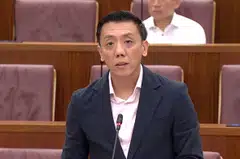
[SINGAPORE] Food and beverage (F&B) businesses in Singapore will need to find new ways to operate, given that the country’s fast-ageing population will continue to limit the availability of manpower, said Senior Minister of State for Trade and Industry Low Yen Ling in Parliament.
Some businesses have been able to adapt and grow by redesigning jobs and leveraging technology to increase productivity and reduce their reliance on manpower, she told the House on Tuesday (Oct 6).
She was responding to an adjournment motion by Workers’ Party MP Jamus Lim, who had proposed greater support and initiatives for F&B businesses amid rising rental costs and manpower shortages.
The Sengkang GRC MP noted that F&B operators want to be able to price competitively enough while still eking out a profit, after accounting for the cost of ingredients, workers and rent.
“As a country, we are almost entirely price-takers when it comes to almost all raw materials, which are largely imported. But land and labour are amenable to policy direction,” he said.
In her reply, Low said that Singapore’s restaurants “are contending with persistent inflation and rising costs, intense competition, changing post-pandemic dining habits, and the urgency to adapt to technology and automation”.
She stressed, too, that these challenges are not unique to Singapore.
Despite these pressures, however, the sector continues to welcome new businesses. Between 2015 and 2025, Low noted, the number of F&B entities grew by a net 42 per cent, and that more businesses opened than closed in most years.
Addressing manpower needs
In her speech, Low noted that the government is supporting F&B businesses by addressing their manpower constraints and helping them raise productivity, stay competitive and build resilience.
For example, the Non-Traditional Sources Occupation List was expanded to include more F&B roles, paving the way for businesses to hire Work Permit holders from non-traditional source countries for selected positions.
The expanded list took effect in September.
“This will help address manpower needs in roles with low take-up by locals,” Low said.
Beyond addressing immediate manpower needs, businesses will need to improve productivity, redesign processes, embrace technology and find new ways to deliver better value to their customers, she said.
Government schemes such as the Enterprise Development Grant and the Productivity Solutions Grant can support investments in productivity improvements and capability development.
Low also highlighted operational changes in the form of better workflows and workforce scheduling, centralised food preparation and the use of artificial intelligence, which can help F&B businesses do more with less.
She cited the example of beach-side restaurant Fico, which uses AI to optimise reservations and table utilisation by predicting dining patterns and safe overbooking levels. The tool improved operational efficiency and plumped up weekend revenue by 2 per cent increase in its first month of use.
Improving leasing environment
On rising rental costs, some MPs called for measures to limit rental increases.
Replying, Low said imposing rental controls would raise concerns as well, including those of distortions to market pricing and reduced incentives for landlords to maintain their properties.
“The government has focused its efforts on improving the overall leasing environment and fostering fairer landlord-tenant relationships,” she said.
“We will also continue to monitor the rental landscape and work with industry stakeholders to promote a fair and transparent leasing environment through the Fair Tenancy Industry Committee’s Code of Conduct for Leasing of Retail Premises.”
Decoding Asia newsletter: your guide to navigating Asia in a new global order. Sign up here to get Decoding Asia newsletter. Delivered to your inbox. Free.
Share with us your feedback on BT's products and services