

Household electricity tariffs to rise 2.1% for April-June; EMA warns of further, sharper hikes amid Iran war
Increase will translate to S$1.80 higher average monthly power bills for families in four-room HDB flats

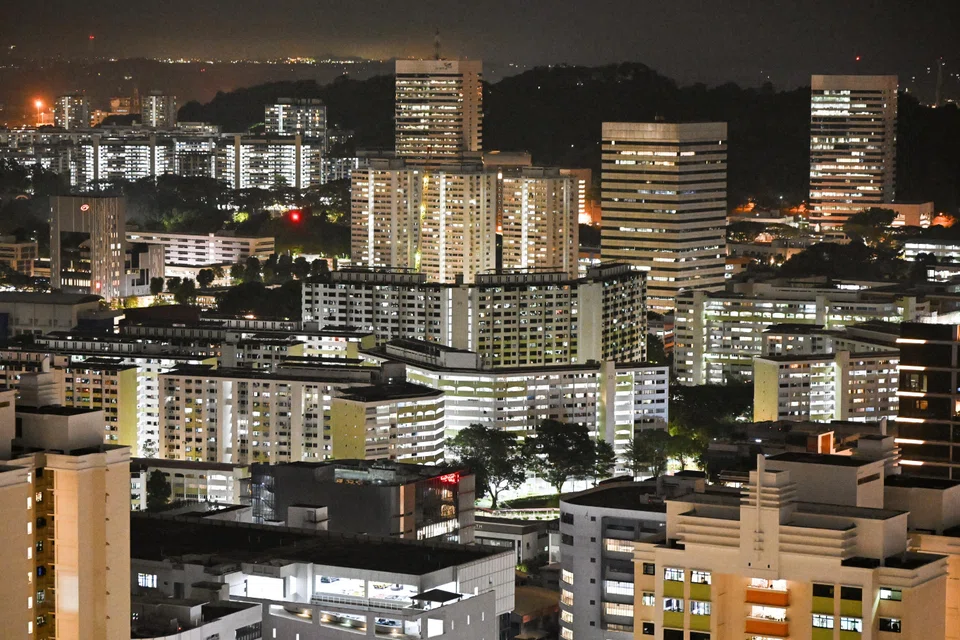
[SINGAPORE] Household electricity tariffs will rise 2.1 per cent for the second quarter of 2026, said SP Group on Tuesday (Mar 31). This increase comes as global energy costs rise due to the Gulf conflict.
The S$0.0056 per kilowatt-hour (kWh) tariff increase from S$0.2671 to S$0.2727, excluding goods and services tax, will translate into a S$1.80 higher average monthly electricity bill for families living in four-room HDB flats.
The Energy Market Authority (EMA) on Tuesday added that Singapore should be ready for larger jumps in electricity and town gas tariffs in the future, as the ongoing conflict in the Middle East strains global fuel supply chains.
From Apr 1 to Jun 30, the overall electricity tariff before GST (including tariffs for non-households) will increase by an average of 2 per cent or S$0.0052 per kWh, compared with the previous quarter.
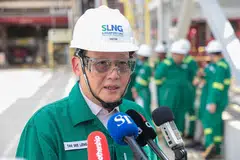
Despite the war in Iran causing global energy turmoil, Manpower Minister Tan See Leng on Mar 15 assured residents that Singapore’s energy supplies remain secure.
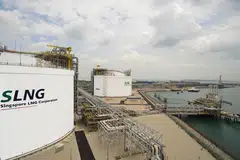
While imported natural gas accounts for 95 per cent of the nation’s electricity generation, Dr Tan noted that about half of this supply is delivered via pipeline, insulating it from the immediate maritime disruptions affecting other global energy routes.
The electricity tariff had been expected to increase for the second quarter, after the Gulf conflict led to an effective closure of the Strait of Hormuz, through which 20 per cent of global oil and liquefied natural gas flowed.
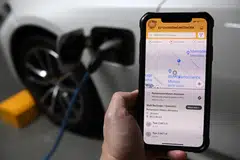
The rising natural gas prices and the bump in electricity tariffs could make electric vehicle charging more expensive from next month. Singapore’s import cost pressures are also likely to rise in the near term, said the Monetary Authority of Singapore and the Ministry of Trade and Industry on Mar 23.
SP Group stated that the energy cost component of the electricity tariffs for each quarter is set using the average natural gas prices in the first two-and-a-half months of the preceding quarter. This, said the group, means that the electricity tariffs may fluctuate due to “volatile global fuel prices”.
SEE ALSO
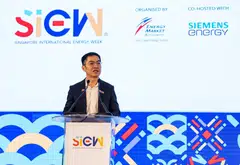
It added that it reviews the electricity tariffs every quarter, based on guidelines set by the electricity industry regulator, EMA.
Dr Tan on Mar 20 said that Singapore has not yet had to dip into its energy stockpiles, with the government ensuring that it has enough reserves to intervene when needed. Still, he urged individuals and businesses to switch to more energy-efficient appliances and adopt power-saving measures.
On Tuesday, he shared on social media that he was flying to Australia for “a series of bilateral follow-up meetings” over the next two days to strengthen Singapore’s essential “energy supplies nexus”.
Decoding Asia newsletter: your guide to navigating Asia in a new global order. Sign up here to get Decoding Asia newsletter. Delivered to your inbox. Free.
Copyright SPH Media. All rights reserved.
TRENDING NOW
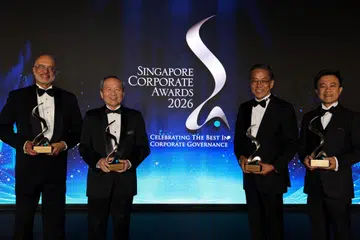
32 companies, 6 individuals bag accolades at Singapore Corporate Awards 2026

He built the Vingroup empire. Now South-east Asia’s richest man is handing some key roles to his sons
URA to review guidelines on floor space to give developers more design flexibility: Chee Hong Tat
Chagee, Mixue and Luckin won the market. Sustaining their edge is the harder part

