Ministers’ pay unchanged while median incomes up 80% since 2012: Chan Chun Sing
An entry-level minister earns a norm annual salary of S$1.1 million, though this represents a 40% discount to the market benchmark set in 2012

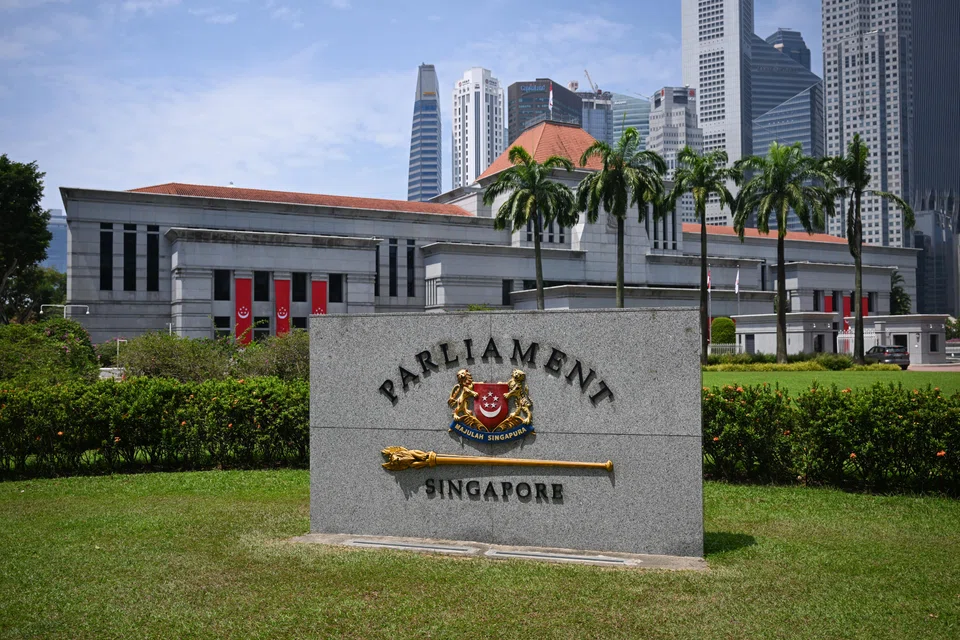
[SINGAPORE] Ministerial salaries have remained frozen at their 2012 levels, even as median incomes of Singaporeans grew 80 per cent over the same period, Minister-in-charge of the Public Service Chan Chun Sing said on Wednesday (Feb 4).
Singaporean incomes at the 20th percentile rose even more sharply, he noted, climbing 87 per cent since the last salary review for political officeholders.
Chan, who is also defence minister, was responding to a question by Non-Constituency Member of Parliament Eileen Chong, who asked for data on political salaries from 2018 to 2024 and how they compared with median and 90th percentile household incomes over the same period.
In his reply, Chan said: “As the issue at hand relates to salaries of individual political officeholders, a more appropriate comparison would be with individual incomes.”
An entry-level minister receives a norm annual salary of S$1.1 million, representing a 40 per cent discount to the market benchmark set in 2012.
Salary points for other political officeholders are pegged as a fixed ratio to the entry-level minister’s norm salary pay.
The annual salary comprises fixed pay components – monthly salary and 13th month non-pensionable annual allowance – making up 65 per cent of the total. The remaining 35 per cent consists of variable pay tied to national economic indicators and individual performance.
The variable pay includes a national bonus determined by four socioeconomic indicators: real median income growth, real income growth of the lowest 20th percentile, unemployment rate and real gross domestic product growth.
Three months of bonus is paid if targets are met, or up to six months if targets are far exceeded. No bonus is paid if targets are not met.
The annual variable component – the same amount all civil servants receive – ranged between zero and 1.5 months from 2018 to 2024. The individual performance bonus, determined by the prime minister, can range from zero to six months annually.
The current salary framework was established following a 2012 review and implemented from 2011, noted Chan. Although a subsequent committee was formed in 2017 to review the framework, the government decided against any changes as the economy was then undergoing transition.
The government has appointed an independent committee to review and recommend appropriate salaries and propose refinements to the framework. The committee will submit its report when ready, after which Parliament will be updated, Chan said.
Decoding Asia newsletter: your guide to navigating Asia in a new global order. Sign up here to get Decoding Asia newsletter. Delivered to your inbox. Free.
Copyright SPH Media. All rights reserved.