Singapore and New Zealand sign essential supplies trade deal, will cooperate in AI and green economy
Leaders also discuss collaboration in defence and healthcare

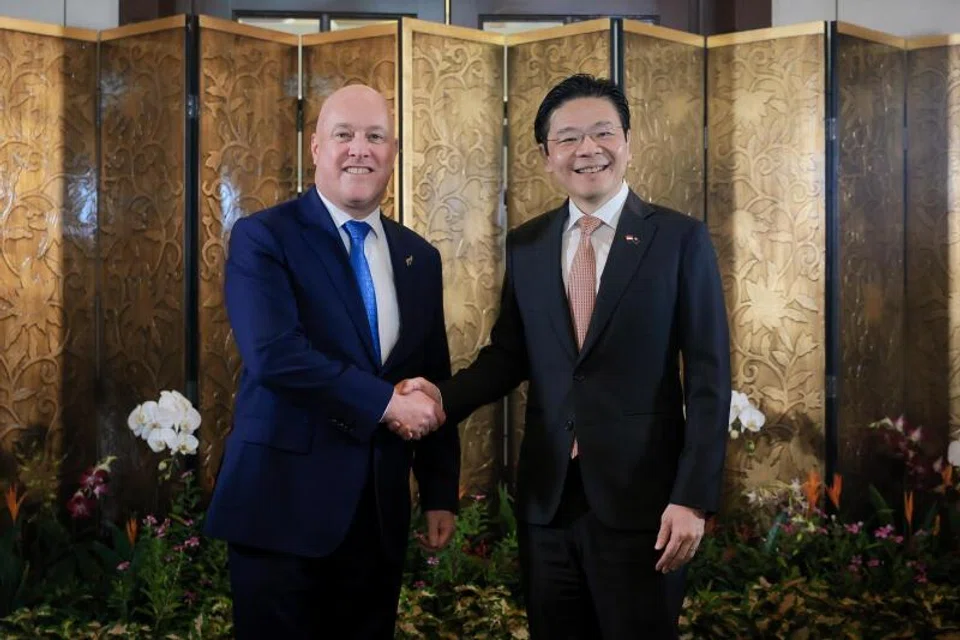
[SINGAPORE] Singapore and New Zealand on Monday (May 4) committed to ensuring the continued flow of essential supplies between them even during crises.
Under the world’s first legally binding bilateral supply chain resilience deal, the countries agreed not to impose unnecessary export restrictions on goods including food, fuel, healthcare, chemical and construction products.
The pact also establishes a framework to facilitate the movement of goods, information sharing and consultations before or during disruptions, providing businesses and consumers with greater confidence, the Ministry of Trade and Industry said.
“This matters, because in difficult times, every country will be tempted to look inward,” said Prime Minister Lawrence Wong at a joint press conference with his New Zealand counterpart, Christopher Luxon, after the deal was signed.
Luxon is on a three-day visit to Singapore, marking his second official trip here as prime minister.
The supply chain resilience agreement is a commitment to “do things differently”, keep goods flowing and “not shut each other out”, PM Wong said.
It is also part of Singapore and New Zealand’s broader Comprehensive Strategic Partnership (CSP), first announced when the bilateral relationship was elevated last October.
Strengthening the relationship
PM Wong said that he and Luxon have discussed how to take their nations’ cooperation forward under the CSP.
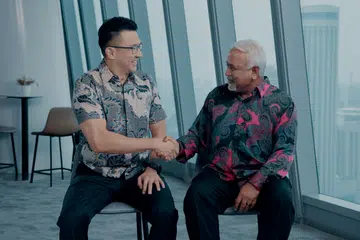
The first is through the Singapore-New Zealand Leadership Forum, which brings together senior business leaders to help them build partnerships and seize regional opportunities.

At the forum’s opening on Monday morning, PM Wong flagged supply chain resilience and the digital and green economies as key areas for cooperation.
Supply chain disruptions such as those from the Covid-19 pandemic and the ongoing Middle East crisis serve as reminders that such shocks are not one-offs, but part of the new normal, he said. “So we cannot assume that markets will always function as before.”
Therefore, countries and businesses must work with trusted partners to diversify, de-risk and build resilience into their systems, he added.
He also noted synergies for collaboration in artificial intelligence, saying: “We are unlikely as small open economies to be able to build the largest foundation models, but we can be leaders in AI deployment, in use cases.”
Second, Singapore and New Zealand will deepen longstanding defence and security ties, PM Wong said at the press conference. On top of training support, they will collaborate in newer areas, including unmanned technologies.
Third, the two countries are strengthening cooperation in critical areas such as healthcare and food supply to prepare for future pandemics and make trade easier and more efficient.
In a press statement, the Ministry of Foreign Affairs highlighted joint efforts in the use of electronic certification for trade in food and primary products; healthcare cooperation, spanning areas such as pandemic preparedness and supply chain resilience for healthcare supplies; and equity market connectivity and mutual recognition for prospectuses.
Finally, both nations will invest in people-to-people ties across sectors for a deeper and more resilient relationship.
Beyond bilateral
PM Wong also recognised the importance of working together on a wider stage, beyond the bilateral relationship.
At the leadership forum, he noted that Asean has “tremendous growth potential yet to be unlocked, and possibly new opportunities for collaboration”.
He welcomed New Zealand’s upgrading of its relations with Asean to a CSP as well.
“Next year, Singapore will chair Asean. New Zealand will chair the Pacific Islands Forum,” he said. “That gives us a good opportunity to bring our regions closer together and strengthen cooperation across a wider area.”
The prime minister noted that partnerships such as the one Singapore and New Zealand share become even more important in uncertain times.
“We may be small countries, at least in terms of population, but we have agency,” he said. “And when we work together – with clarity, with purpose, and with trust – we can shape outcomes together, turn challenges into opportunities, and bring benefits to our peoples.”
Decoding Asia newsletter: your guide to navigating Asia in a new global order. Sign up here to get Decoding Asia newsletter. Delivered to your inbox. Free.
Copyright SPH Media. All rights reserved.