Vietnam boutique brands expand to Singapore amid rising demand
These labels, which do well among Singaporeans on their home turf, are setting up outlets to hawk trendy, affordable fashion

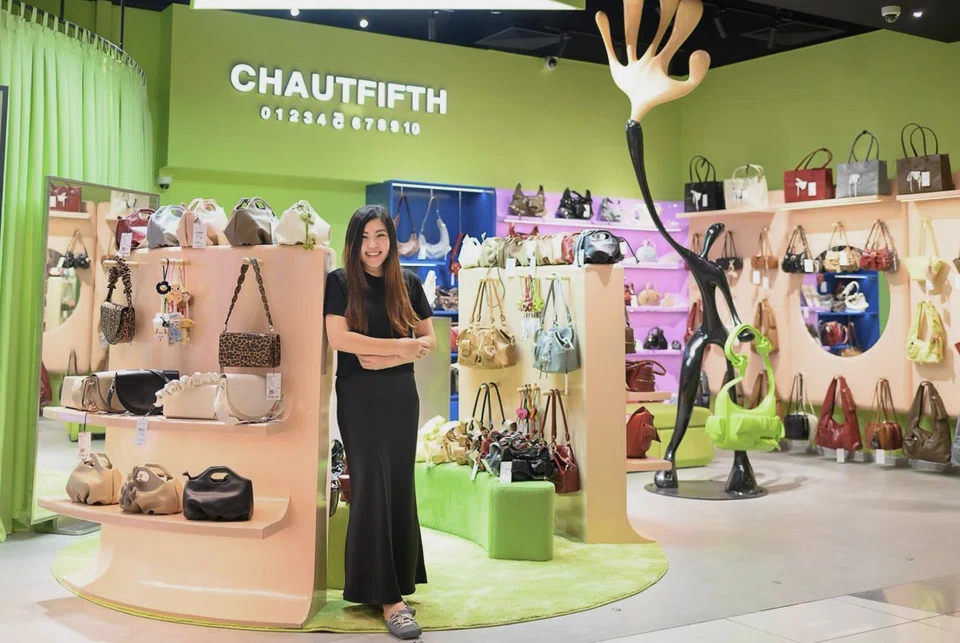
[SINGAPORE] Along the first floor of Suntec City, a splash of lime green stands out from the other beige storefronts.
Loud decor – lime-green walls, lime-green floors, and a lime-green sculpture of a handbag the size of a coffee table – is a signature for Vietnamese fashion accessories brand Chautfifth, which opened its first permanent store outside Vietnam in September.
Tran Hoang Chau, the founder of the label who was in town for the opening of the outlet, said: “I made a lot of sales from Singaporean customers in my stores in Vietnam, and it got to the point when I felt confident enough to open (an outlet) here.”
Chautfifth, which has seven stores in Vietnam, is one of several Vietnamese brands that have lately established a physical presence in Singapore.
In July 2024, popular fashion brand Cara Club opened a physical store in Bugis+. The brand has 11 stores in Vietnam, eight in Ho Chi Minh City alone.
This year, fashion retailer Rechic, which has four stores in Vietnam, opened its flagship store in Tampines 1.
These labels have come to Singapore shores, just as Singaporean tourists have emerged the biggest spenders in boutiques in Vietnam, say the representatives of the brands who spoke to The Business Times.
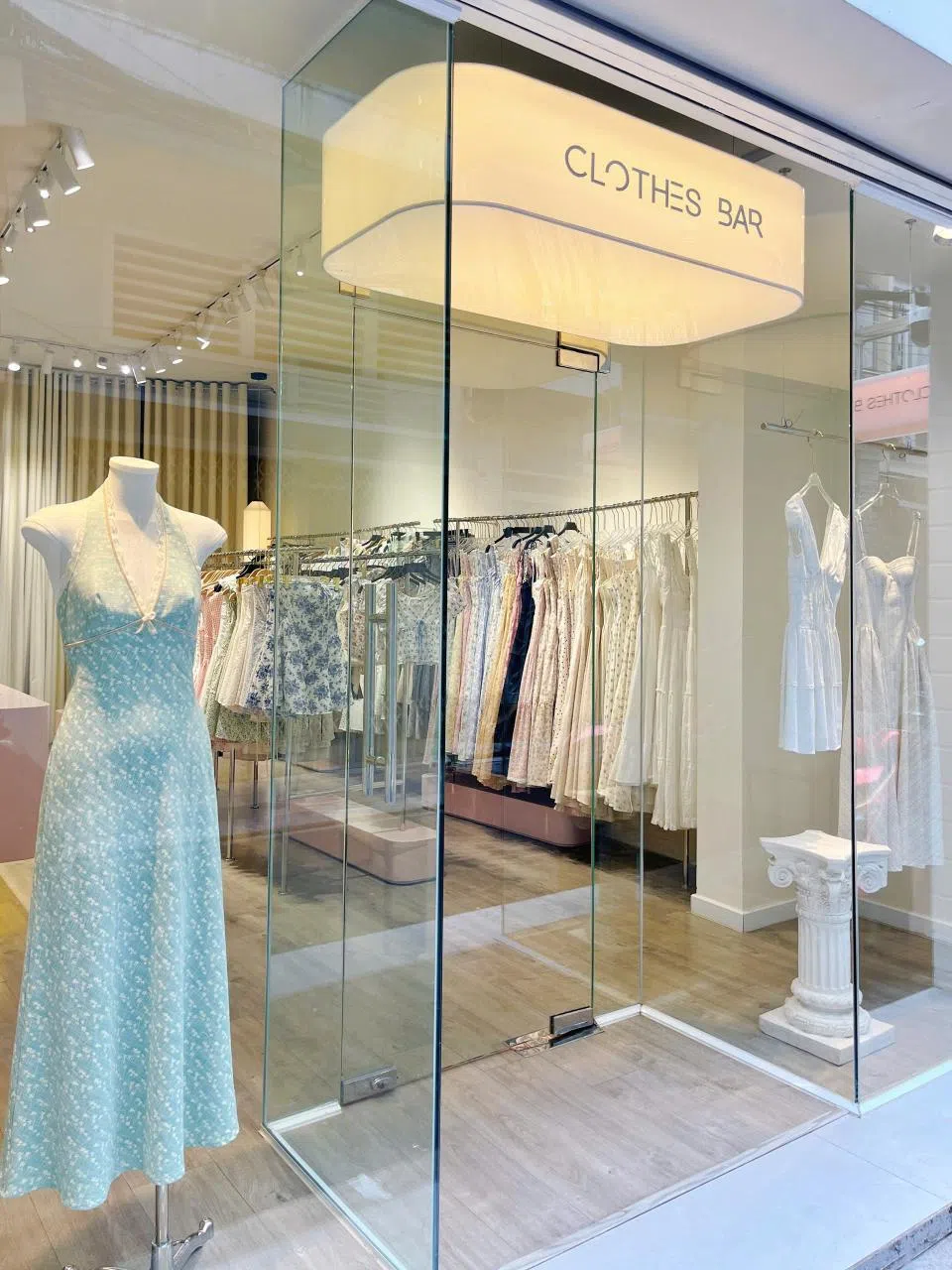
Thao Tran, founder of fashion brand Clothes Bar, said an average of 300 to 500 Singaporean customers visit her only store in Ho Chi Minh City each month, making up nearly half her international customer base.
Similarly, Le Bach Tung, chief executive of fashion brand BunnyHill, said 90 per cent of the brand’s in-store customers are foreigners, of which 80 per cent are from Singapore.
“Our staff mainly speak English, not Vietnamese, because we have a lot of international customers here every day,” Tung said. BunnyHill, which started as an online store in 2022, has one store in Ho Chi Minh City.
BunnyHill and Clothes Bar opened their respective pop-ups in Singapore this year.
Tourism boost
In recent years, Vietnam has become a popular tourist destination for Singaporeans. In the first nine months of 2025, Vietnam welcomed 268,187 visitors from Singapore, up 11.1 per cent on year, noted the Vietnam National Authority of Tourism.
Ho Chi Minh City, in particular, has become a hotspot for Singaporean women because of its many local fashion brands, quirky cafes and beauty services – and is just a two-hour flight away.
Much of the demand for fashion items and accessories has been driven by TikTok.
Typing in the keywords “Vietnam shopping” on short-form video platform will yield numerous posts of women – many Singaporean – with their large shopping hauls from Ho Chi Minh City.
Chautfifth’s Tran noted that her brand has often been reviewed on TikTok by Singaporeans in the past year.
During the holiday season in 2024, she received several requests from TikTok livestreamers, asking to sell the products from her stores.
It helps that most Vietnamese brands popular with Singaporeans offer trendy products that are both suitable for the Republic’s humid weather and affordable to boot – typically costing between S$15 to S$60 in Vietnam.
Said Clothes Bar’s Tran: “Women in Singapore… have high purchasing power and an appetite for fashion that feels both feminine and contemporary.”
So far, demand seems to have translated into sales in Singapore.
Sales at Clothes Bar’s pop-up in Singapore are currently on par with that in its flagship store in Ho Chi Minh City, said its founder Tran.
She said: “Some designs sold out faster than expected, and we’ve seen steady growth week by week.”
Chautfifth’s Singapore store has welcomed walk-ins by customers who already know the brand, even though Tran has done minimal marketing.
The store, located near the city tour bus stop in Suntec City, has also attracted tourists from elsewhere, who were unaware of the brand before, Tran said.
Operation costs
Shopowners said the products are priced higher in Singapore to cover operational costs, but this has not discouraged shoppers.
Chautfifth’s Tran noted additional costs such as the goods and services tax, as well as the cost of logistics and labour, which are significantly higher than in Vietnam.
She said her products are being sold at very “humble prices” in Vietnam, relative to their quality and amount of work put into them.
“So even though we marked up the price here, it’s still very affordable, and very easy for customers here to make a decision,” she said.
For example, its Medium C2 Pocket Hobo Bag costs 1,195,000 dong (S$58.55) in Vietnam, but retails for a still-affordable S$95 in Singapore.
BunnyHill’s Tung said the brand’s international prices are slightly more than twice those in Vietnam, to cover costs such as rent, consignment and shipping.
Its Melios Mesh Top, for example, retails for S$53 in Singapore, compared with 480,000 dong (S$23.52) in Vietnam.
Sales remain “really high”, however, which helps in the brand’s plan for expansion.
BunnyHill’s pop-up is Tung’s trial run for international operations. He hopes to open an international flagship store in Singapore in a year or two, and to use the Republic as a gateway to the region.
As space in the pop-up, multi-brand store allows a display of only 12 to 15 items, Tung said the revenue would not exceed S$5,000 a month. A flagship store, on the other hand, would be able to bring in as much as S$2 million a year.
“The pop-up store is a wonderful opportunity to… build a long term relationship with customers in Singapore.”