

Therme Singapore to be European wellness group’s gateway to Asia
Set to open in 2030, the Marina South facility will be a proof of concept for its projects in the region

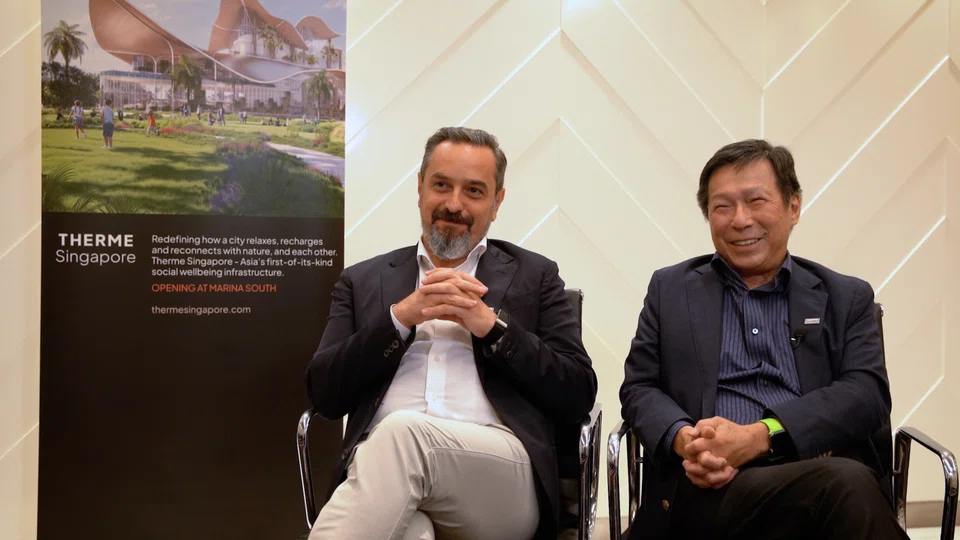
[SINGAPORE] Therme Group’s upcoming Singapore facility will be the European bath and spa operator’s gateway to Asia and the Middle East – and a step towards making wellness more accessible in the Republic, founder and CEO Robert Hanea told The Business Times.
He was speaking to BT in the run-up to the Friday (Jun 19) ground-breaking ceremony of the group’s S$1 billion, 720,000 square foot project, to be located in Marina South.
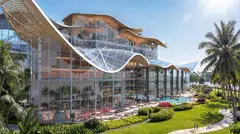
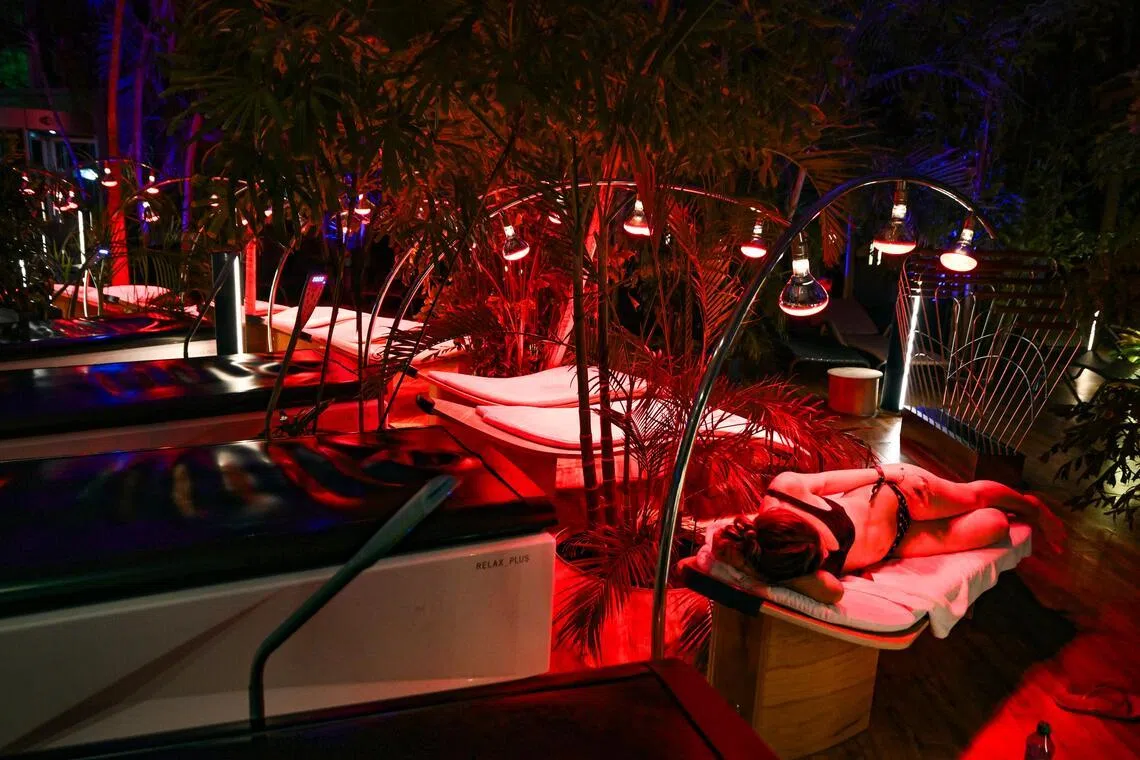
The large-scale urban facility is slated to open in 2030, with seven floors housing water slides, mineral pools, cold plunge pools, saunas and massage rooms.
Dr Hanea said that the group put in significant groundwork “in order to be in a position to develop this asset” that is central to its planned Asian portfolio.
As a regional hub, Singapore can be the headquarters for the development and execution of Therme’s new projects, he said.
The wellness industry is growing rapidly amid a move away from consumption and towards experiences, including those promoting well-being, he noted.
Dr Hanea expects a “very high growth rate” in Asia. In deciding which markets to enter, Therme considered factors such as median income, “how people use the city”, inbound tourism volumes and the age of the population.
Singapore, to start
Therme Group Asia and Singapore chairman Mah Bow Tan noted that more attention has been paid to health and mental wellness in the post-Covid-19 era, and that the government is looking into turning Singapore into a wellness hub.
Therme Singapore must “keep the DNA” of its European parent company, but “layer on the local treatments”, he said. The company’s DNA will underpin not only the amenities, but also its technology.
SEE ALSO

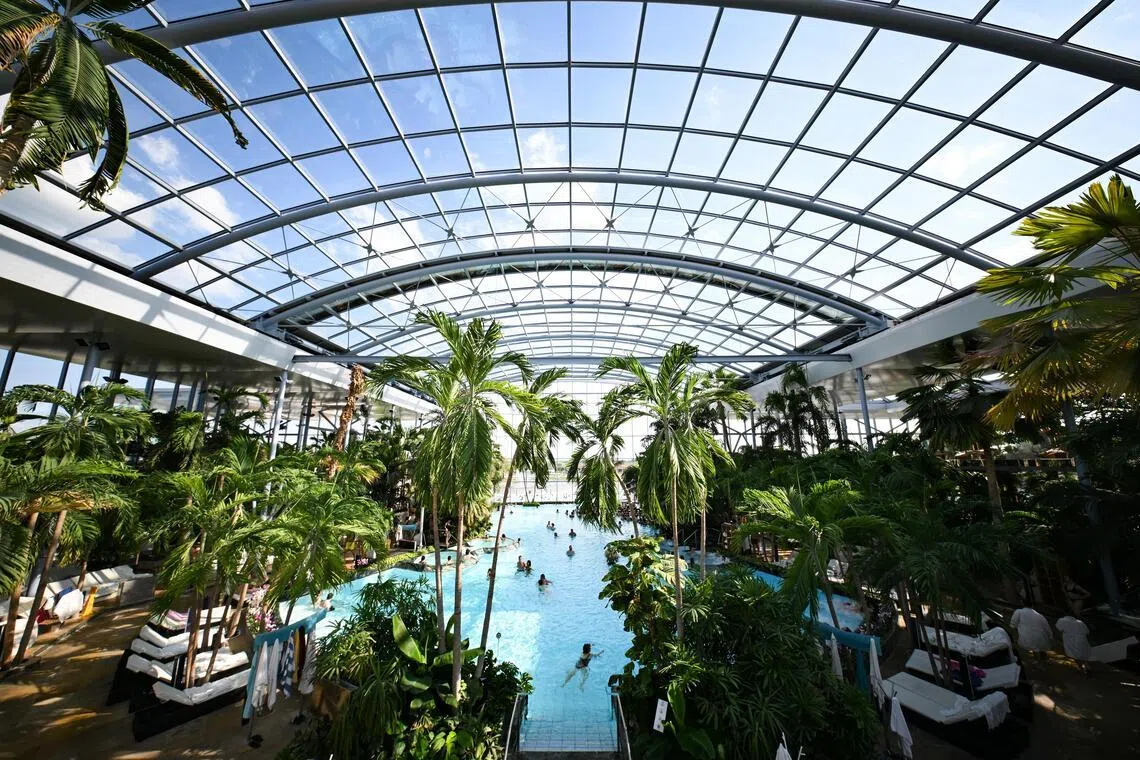
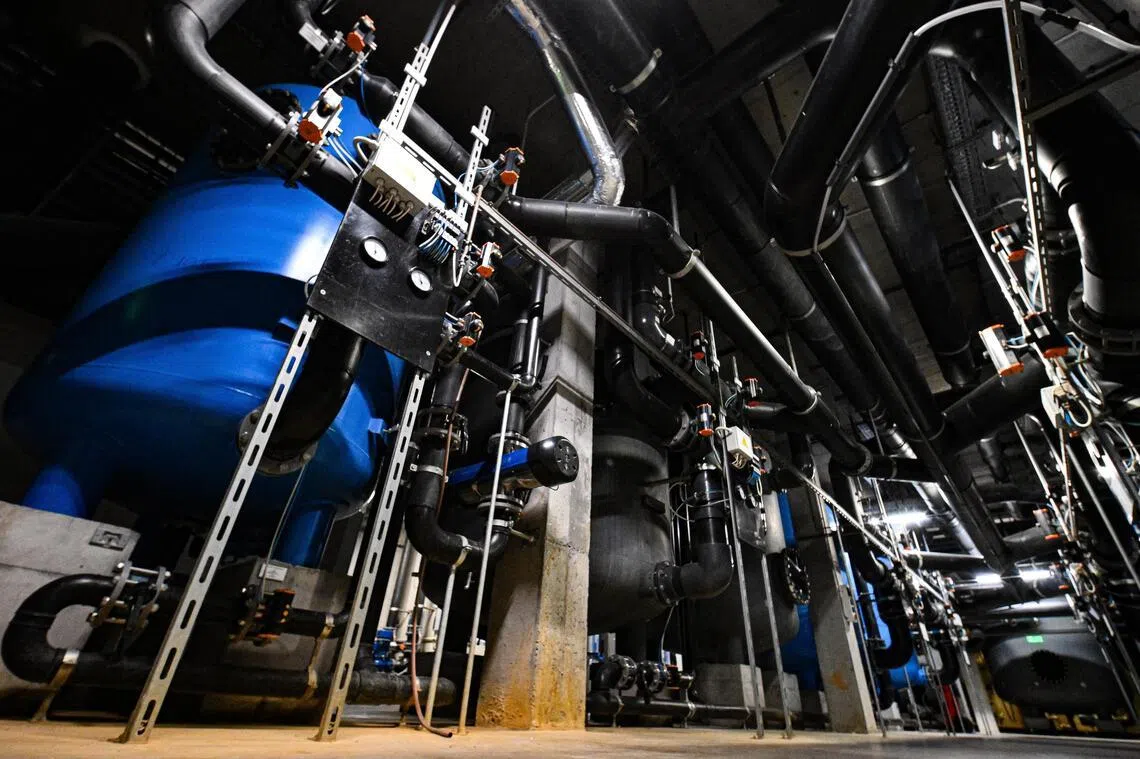
For example, Therme’s flagship Bucharest facility cleans pool water through a multi-stage, fully automated treatment system. Chlorine is used only in small amounts, and to meet local regulations.
Therme Singapore will similarly use oxidation, filtration and intelligent dosing systems.
As the group’s first Asian site, Therme Singapore will “require certain adaptations and localisation, to make sure that it fully optimises its potential”, said Mah. The local touch in the facility could mean, for example, incorporating traditional Chinese medicine elements.
Therme Singapore will be a proof of concept for Asia, and pave the way for projects in markets such as South Korea and Dubai.
He noted that Asian cities have huge populations relative to European ones, which already handle strong demand: Therme Bucharest receives 1.7 million visitors a year, and Therme Erding in Germany, nearly two million a year.
“If you extrapolate (this demand) into the Asian situation, I think you can imagine the kind of potential that is there,” Mah pointed out.
He said that while wellness facilities mushroomed in post-Covid Singapore, those were “smallish” ones.
Therme offers a different value proposition by bringing various aspects of wellness together, and becoming a “third space” – defined as a community space separate from home and work.
The group draws inspiration from communal bathing and wellness traditions across cultures, including Roman thermae, Turkish hammams and Japanese onsen.
Rather than travel to exotic spa destinations, people can enjoy wellness services right in their home country, Dr Hanea said; he added that putting wellness front and centre in daily living would make a meaningful impact on the health of people.
Democratising wellness
Therme Singapore expects two million visits annually, half from international tourists and half from repeat visits by several hundred thousand Singapore residents.
This is likely a “conservative estimate”, said Mah. “But (the projection) is what we are building for… That’s what will inform the business case for us. It will also help us to make our price points affordable.”
The city-state welcomed nearly 17 million visitors in 2025. To meet its target, Therme Singapore would need just a fraction of them to visit. Dr Hanea noted that one in three tourists to Bucharest visit Therme’s facility there.
Mah said that it is too early to decide on pricing, but that the rate would be competitive or lower than those in similar attractions – and cover a range of offerings.
At Therme Bucharest, the most expensive entry price for adults – which includes full-day access to all three zones of the facility, but excludes additional treatments – costs 202 Romanian leu (S$57.06).
Affordability is an “important core principle” for Therme, given that it wants to improve accessibility to wellness, he explained. “We are in essence creating social infrastructure – infrastructure which is inclusive, which is accessible and which caters to everybody’s needs.”
Physical accessibility is the reason for Therme Singapore’s location in Marina South. Being in the outskirts would have been cheaper, but would defeat the aim of making the facility a convenient stop.
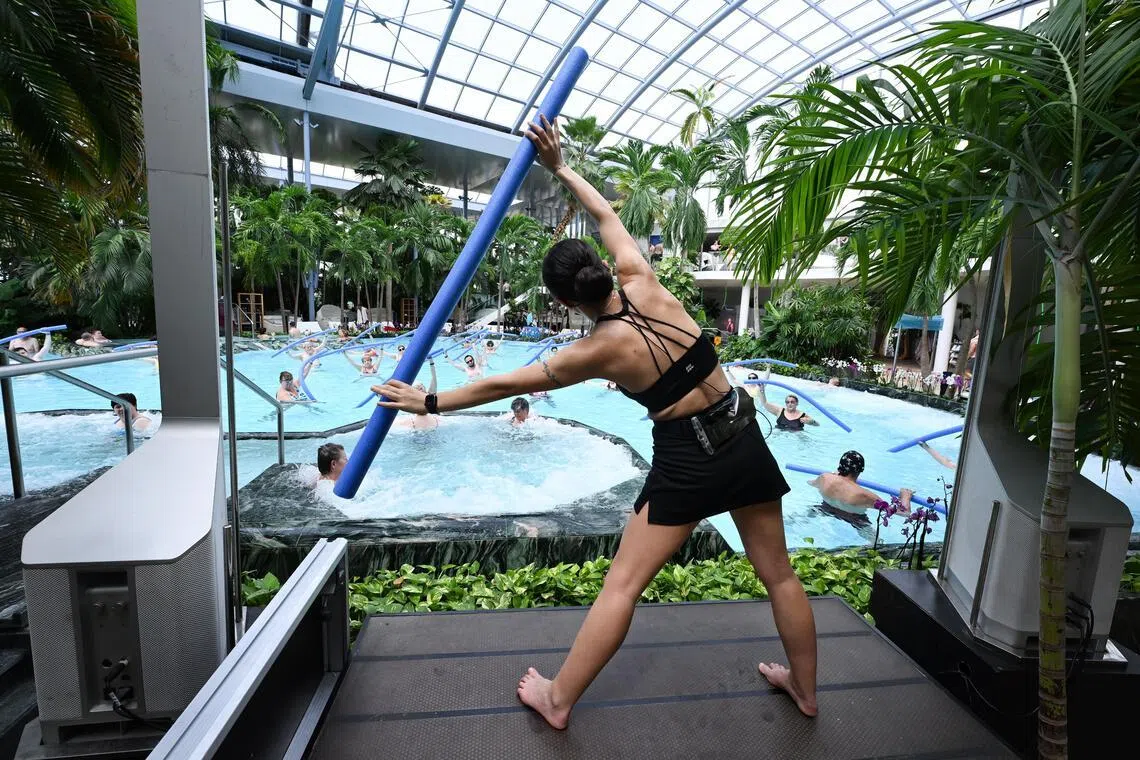
Therme Singapore will run programmes targeted at various groups. For example, it may work with the People’s Association to offer water aerobics for senior citizens.
Mah envisions families with children visiting in the day, and young adults, after work.
Future-proofing
While being founded on tradition, Therme also invests in technology and innovation, such as its automated locker system now being tested in Bucharest.
When a guest selects a locker from a digital panel, a robotic arm gets to work to retrieve the physical locker from storage, where it was stacked when not in use, and delivers it to the guest.
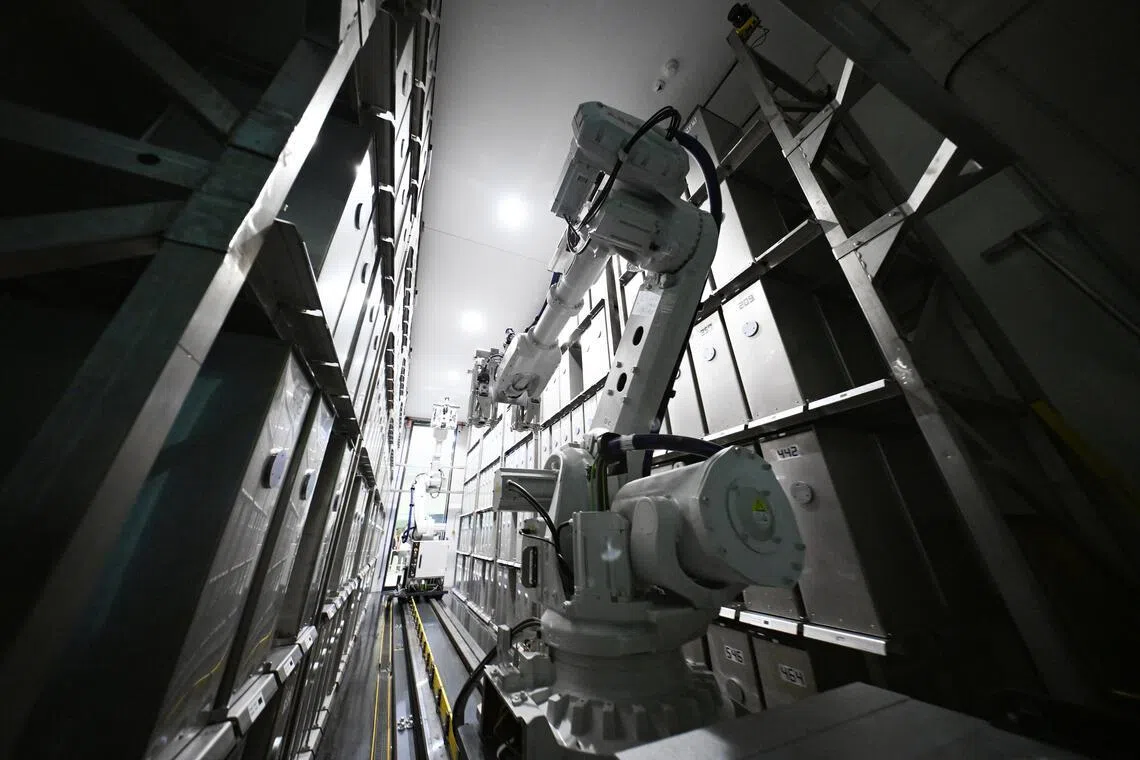
For Therme, being future-ready means leaving room for change, so that new wellness technologies and treatments that emerge can be incorporated.
A share of Therme Singapore’s offerings will be “dynamic content” that can be updated, said Dr Hanea.
Therme Bucharest sits on a plot with space for new construction. But in Singapore’s seven-storey facility, the building itself is designed to be adaptable; even its wiring and piping stand ready to accommodate changes so new technology can be implemented swiftly, he added.
Artificial intelligence is expected to be used for digital marketing and customer relationship management.
Dr Hanea said that, regardless of AI’s broader impact on society, the physical body and need for human connection are constants. “The need for spaces for people to connect, the need for infrastructure that caters to human health, mental health, physical health and societal health will be way stronger, regardless the direction of AI goes.”
Decoding Asia newsletter: your guide to navigating Asia in a new global order. Sign up here to get Decoding Asia newsletter. Delivered to your inbox. Free.
Copyright SPH Media. All rights reserved.
TRENDING NOW

Once staunchly pro-China, Malaysian Chinese businesses are now distancing themselves from Beijing

Looking beyond looming CEO succession, should UOB potentially pursue a transformative merger?

Could stablecoins be the future of money?

Grab CEO’s wife Chloe Tong on life with Anthony Tan and finding her purpose

