DeepSeek unveils flagship AI model a year after breakthrough
The V4 Flash and V4 Pro come with several architecture upgrades and optimisation improvements
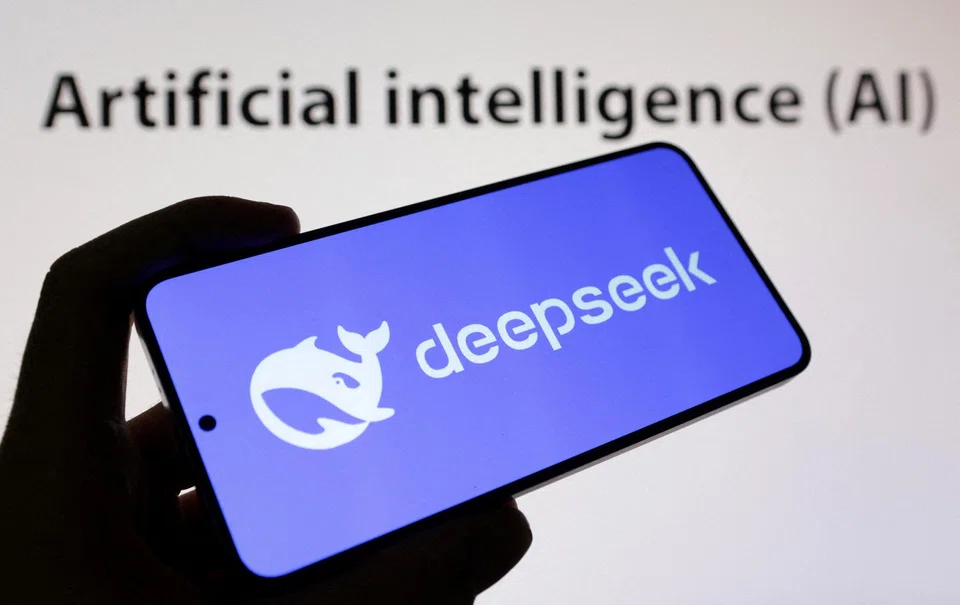
[HANGZHOU] DeepSeek rolled out preview versions of a new flagship artificial intelligence model a year after upending Silicon Valley, calling it the most powerful open-source platform in a challenge to rivals from OpenAI to Anthropic.
The Chinese startup unveiled the V4 Flash and V4 Pro preview series, touting top-tier performance in coding benchmarks and big advancements in reasoning and agentic tasks. They come with several architecture upgrades and optimisation improvements, and can operate with a million-token context length, the startup said on Hugging Face.
DeepSeek singled out a technique it dubbed Hybrid Attention Architecture, which it said improves the ability of an AI platform to remember queries across long conversations.
The V4 arrives more than a year after the Hangzhou-based startup ignited a trillion-US dollar stock market sell-off with the release of the R1, an open source model that mimics the process of human reasoning. The R1 rivalled the performance of cutting-edge AI systems from companies like OpenAI but was purportedly built for a fraction of the cost.
Almost overnight, some tech firms and investors began rethinking the wisdom of pouring billions of US dollars into AI development. Those outlays have since sprung back, as American technology giants are projected to invest around US$650 billion in 2026 on AI infrastructure and data centres.
DeepSeek also sparked a frenzy in China, as tech leaders from Alibaba Group Holding to Baidu flooded the market with low-cost AI services. Rivals from ByteDance to Zhipu and Minimax raced to update their models in the weeks leading up to April, hoping to steal a march on DeepSeek.
SEE ALSO


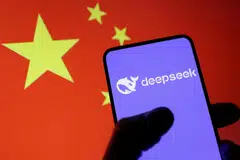
With stardom also came scrutiny. American tech leaders and government officials have accused DeepSeek of using illicit techniques and hardware to develop its models. One focus is so-called distillation, through which one AI model relies on the output of another for training purposes to develop similar capabilities.
Both OpenAI and Anthropic have alleged they detected such attacks from DeepSeek, a concern OpenAI began privately raising shortly after the R1 model’s release.
The other concern is that DeepSeek may have access to banned Nvidia. AI chips, a possibility US officials began probing last year. BLOOMBERG
Decoding Asia newsletter: your guide to navigating Asia in a new global order. Sign up here to get Decoding Asia newsletter. Delivered to your inbox. Free.
Share with us your feedback on BT's products and services