

Human brain cells run new data centres in Singapore, Melbourne
AI is driving a surge in electricity demand, forcing governments and technology companies to search for more efficient computing systems
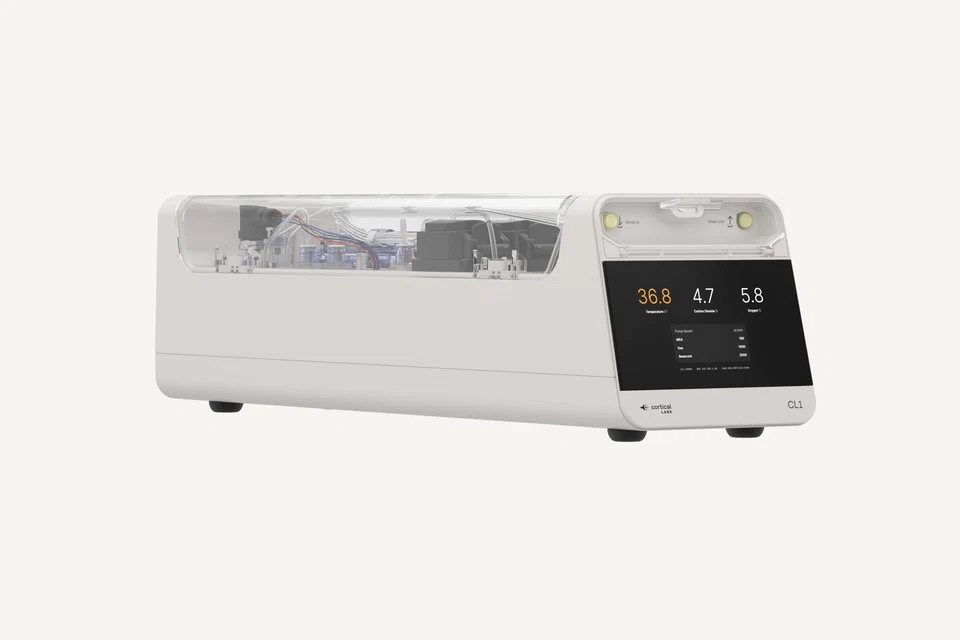
[SINGAPORE] Biotech startup Cortical Labs is working on two small data centres run by human brain cells, putting lab-grown neurons onto silicon in an experiment that could one day challenge chips from the likes of Nvidia.
The Australia-based startup unveiled its first biological data centre in Melbourne and is building another in Singapore with partner DayOne Data Centers, it said on Tuesday (Mar 10). Instead of racks of servers running on conventional processors, the facilities will house biological computers known as CL1 units, powered by human brain cells.
While years or decades away from challenging mainstream technology, the project highlights scientists’ search for novel solutions to address problems arising from an artificial intelligence (AI)-induced need for increasing amounts of computing capacity. The swift buildout of AI data centres across the planet has led to environmental concerns over their power needs and water consumption as well as shortages in silicon.
The computing capacity of Cortical Labs’ systems is modest, but the company is making progress. One of its earlier achievements was to teach its brain cells to play the rudimentary computer game Pong. Last month, it said it had trained them to play the much more advanced title Doom.
The neurons used by Cortical Labs, grown from stem cells, sit on a chip that sends and receives electrical signals to the cells and records how they respond. This allows the company’s software to interact with the cells and interpret their responses as computing output.
Aside from the potential to tap into the brain’s ability to hold and process data, there’s an additional advantage to leveraging biology in this way: Neurons use very little energy. AI is driving a surge in electricity demand, forcing governments and technology companies to search for more efficient computing systems.


Cortical Labs says its biological computers consume a fraction of the power used by conventional AI processors. Hon Weng Chong, the upstart’s founder and chief executive officer, said that each CL1 unit uses less power than a handheld calculator.
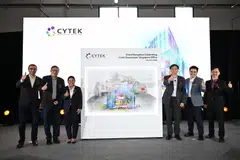
The Melbourne facility will house 120 CL1 units, while the Singapore location run with data centre operator DayOne is set to deploy as many as 1,000 units in phases, Hon said.
The Singapore project will start with an initial deployment at the National University of Singapore’s Yong Loo Lin School of Medicine. The CL1 units use neurons that have been converted from human blood cells. BLOOMBERG
Decoding Asia newsletter: your guide to navigating Asia in a new global order. Sign up here to get Decoding Asia newsletter. Delivered to your inbox. Free.
Share with us your feedback on BT's products and services
TRENDING NOW

GCash parent Mynt rises in market debut after South-east Asia’s top 2026 IPO

In the age of AI, what is a university education for?

Singapore to use ‘every legal and regulatory lever’ against companies linked to haze: Shanmugam

‘IPOs are not the only vehicle’: KKR heads for record exits even as firms stay private for longer

