Kopi Kenangan turns Ebitda positive in Malaysia, eyes new markets
The coffee chain currently has around 130 stores in the country
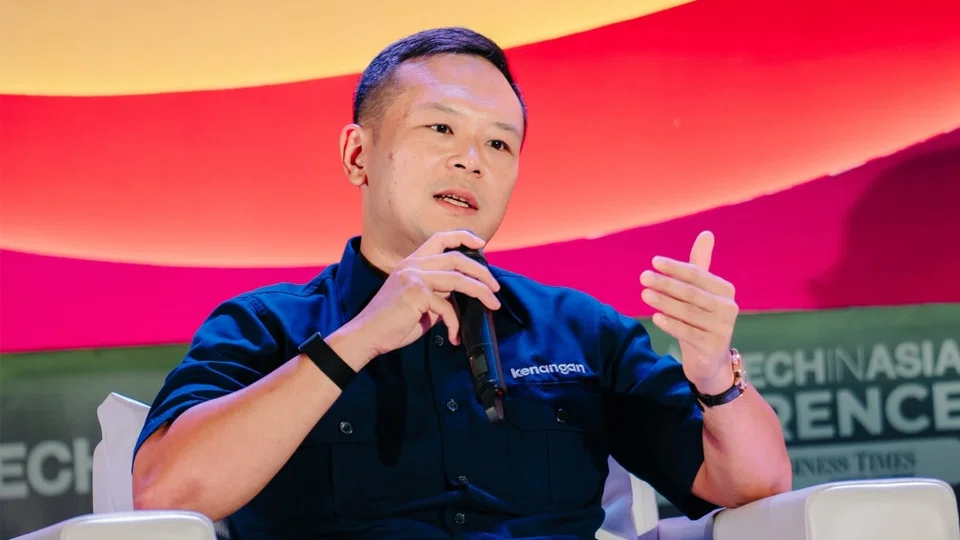
INDONESIAN coffee chain Kopi Kenangan has turned Ebitda positive in Malaysia, three years after it first expanded into the country.
Speaking to Tech in Asia at the sidelines of this year’s TIA Conference in Jakarta, Kopi Kenangan co-founder and CEO Edward Tirtanata said that he expects the firm to become Malaysia’s second-largest coffee chain by 2026.
The company currently has around 130 stores in the country. It plans to close the year with 150 outlets before expanding to 200 in 2026.
As at March 2025, Zus Coffee was the largest coffee chain in Malaysia with 610 outlets, followed by Gigi Coffee with 160. The country is also home to major coffee chain Starbucks and China-based Luckin Coffee, which opened earlier this year.
As the Kopi Kenangan ramps up its international expansion, it plans to enter Taiwan and a Gulf Cooperation Council (GCC) country by the first half of 2026, Tirtanata said.
Kopi Kenangan, which goes by the name Kenangan Coffee in overseas markets, currently operates over 1,200 outlets in six countries, including Singapore, the Philippines, India, and Australia.
The firm is backed by investors such as Peak XV, Alpha JWC, and B Capital, and it has raised US$233 million to date.
According to Tirtanata, Kopi Kenangan’s revenue rose by 40 per cent year on year in Q3.
He also pointed out that despite growing competition, consumer demand is shifting from instant to freshly brewed coffee.
Kopi Kenangan is operating at a US$200 million revenue run rate, an annualised figure based on its Q3 performance, he added.
Localisation is key
From 2026 onwards, the company plans to enter two new markets per year.
“We have been opening more than one store per day so far this year. Next month alone, we’ll be opening around 70 stores,” Tirtanata shares.
The coffee chain has been aggressively expanding its footprint overseas. Kopi Kenangan opened its first store in India this April and now has seven outlets in the country.
In Indonesia, its most profitable market, the firm’s net income margin stands at 18 to 20 per cent. For comparison, Luckin Coffee posted a 10.1 per cent net income margin in Q2 2025.
Across its markets, Kopi Kenangan’s net Ebitda margin – a measure of the firm’s operating profit as a percentage of revenue – is around 18 per cent, Tirtanata said.
Historically, expanding a South-east Asian brand abroad is difficult, as evidenced by Gojek’s eventual exit from Vietnam and the sale of its Thailand business.
But Tirtanata believes Kopi Kenangan’s strategy of localising its products by adjusting recipes, flavours, and prices to match each market’s preferences could increase its chances of success.
“If you drink our coffee in Singapore, Jakarta, Malaysia, or New Delhi, it will taste different,” Tirtanata explained. “We are not afraid to innovate and revamp our recipes.”
Outside of markets such as Singapore and Malaysia, the firm is working with franchise partners to grow the business. In the Philippines, for instance, it has teamed up with the Fredley Group of Companies, which can provide operational expertise.
“We are not familiar with the people or the culture in places such as the Philippines or India, so we rely on local wisdom, talent, or partners who can bridge the gap between our Indonesian identity and the markets we are entering,” the CEO said.
In Australia, where Kopi Kenangan expanded this year, the company expects to operate four stores by year-end. It’s also on track to open around 20 more stores in the Philippines between the fourth quarter of 2025 and the first quarter of next year.
Despite its success in Malaysia so far, Tirtanata notes that given its small initial scale, setting up shop in a new country is “usually unprofitable for the first one or two years”.
In September, Bloomberg reported that the coffee chain’s investors were considering selling part of their stakes in the company. However, discussions were still at an early stage, and there is no certainty that any sale will occur.
While its competitor Fore Coffee went public in April, Kopi Kenangan has no fixed timeline or venue for a potential listing. But Tirtanata emphasises that the company remains “IPO-ready” in terms of governance and fundamentals.
“When the right window opens, we will go public,” he said. TECH IN ASIA