Apple investors give lukewarm reaction to new Siri, AI platform
Apple shares closed 1.9% lower at US$301.54 on the Nasdaq on Jun 8
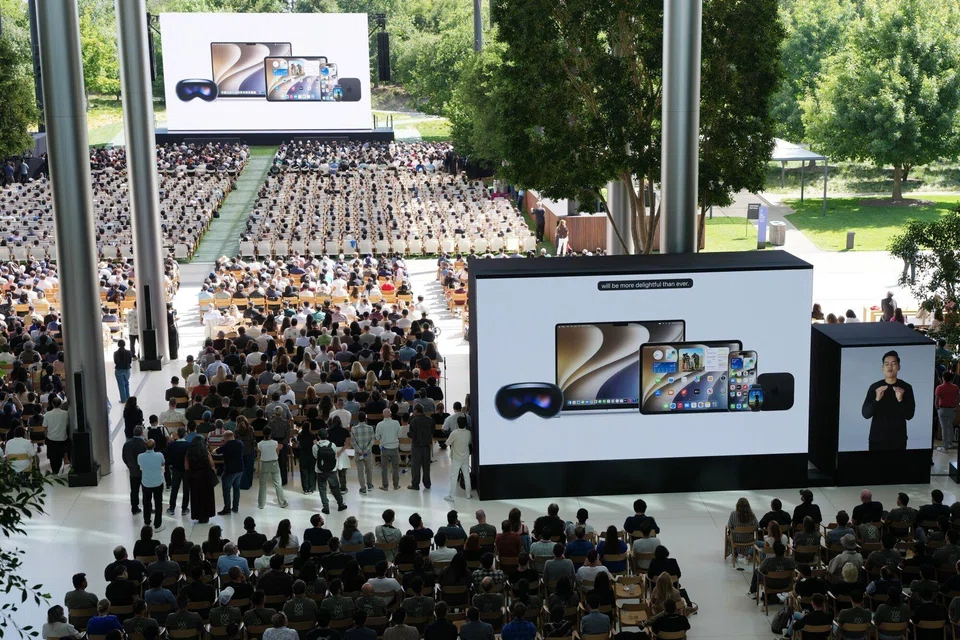
APPLE used its Worldwide Developers Conference (WWDC) to lay the foundation for a new generation of products, making the case that it can overcome years of snags to compete in the AI era.
The centrepiece of the company’s latest operating systems – including iOS 27, macOS 27 Golden Gate, watchOS 27 and visionOS 27 – is an overhauled assistant called Siri AI. The software is designed to be smarter, more reliable and capable of understanding context, all while being able to precisely control a variety of apps.
The introduction, unveiled during a WWDC keynote presentation on Monday (Jun 8), represents a pivotal moment for Apple. After the company debuted its Apple Intelligence platform in 2024, it struggled to deliver many of the most ambitious features on schedule. Several capabilities arrived late, while others compared unfavourably with offerings from rivals such as OpenAI, Alphabet’s Google and Anthropic.
“WWDC 2026 is Apple’s AI credibility test,” IDC analyst Francisco Jeronimo said in a note. “Apple does not need to win AI by having the biggest model or the loudest demo. It needs to make AI trusted, useful and invisible across the ecosystem.”
Apple still has to overcome investor scepticism about its AI strategy. The company’s stock slid during the presentation on Monday, falling 1.9 per cent by the close.
The company also acknowledged that its new capabilities will take time to roll out. Siri AI will only be available in English to start, and it will still be labelled as a beta version when it launches to consumers in the fall of 2026. And the latest AI features initially will not be available in China and the European Union.
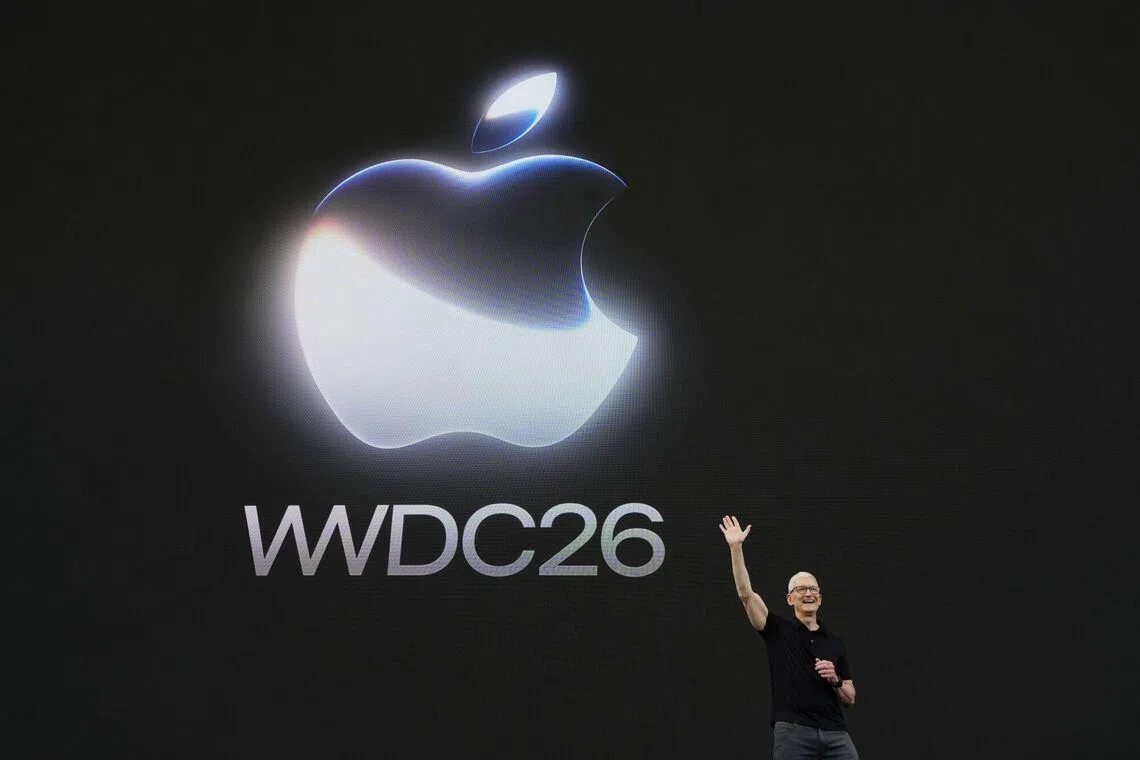
Monday’s presentation was as much about fixing previous shortcomings as it was about preparing for what’s next. By rebuilding Siri and modernising its AI technology, Apple is creating the foundation for a wave of future products that depend on more capable artificial intelligence.
The new assistant will be able to tap into personal information, data from the web, on-screen content and apps. But that just delivers capabilities that Apple originally planned to release in early 2025.
Those earlier promises about Apple Intelligence features got the company into legal trouble. In May, it agreed to pay consumers US$250 million to resolve claims that the company exaggerated the software’s abilities.

Siri AI, which will be available to developers on Monday, has also been redesigned. It is becoming part of the iPhone’s Dynamic Island interface and gaining both a dedicated app and chatbot-style experience for the first time.
Mike Rockwell, the executive who oversees Siri engineering, demonstrated the assistant performing tasks such as looking up concert information, playing music and setting reminders. The presentation was intended to show that the system is more dependable than the current version.
Beyond Siri, Apple introduced a broad collection of new AI-powered capabilities, including upgrades to photo editing, writing assistance and its Visual Intelligence feature. The offerings run on next-generation Apple Foundation Models, which have been rebuilt using Google Gemini technology.
The next step is to upgrade Apple’s hardware, a process that begins this fall with a first-ever foldable iPhone and the iPhone 18 Pro. The company is planning to market both devices by leaning heavily on Siri AI and Apple Intelligence features.
The hope is to spur users to upgrade their phones in order to get the latest AI technology. The most advanced capabilities will at least require an iPhone 17 Pro or iPhone Air, models that came out in 2025. The iPhone 14 and older versions, meanwhile, do not run Apple Intelligence at all.
“The features will be a massive catalyst for iPhone 14 and older users to upgrade, especially those that might have been considering delaying purchase due to inflationary pressures or economic uncertainty,” according to IDC’s Nabila Popal.
“Converting older but hesitant consumers to upgrade will help Apple sustain the current momentum, and that is a significant achievement in a smartphone market that is headed downwards,” she said.
Apple is also rolling out technologies designed to support entirely new categories of hardware.
Expanded Visual Intelligence capabilities and more advanced AI systems will help power smart glasses and camera-equipped wearable devices. In one sneak peek at the future, Apple showed how the Vision Pro headset can identify objects just by looking at them.
The upgraded Siri interface and underlying AI technology are also central to Apple’s next generation of home products. That line-up will include a smart display hub and a more advanced tabletop device with a robotic arm.
As part of the changes, Apple refined its Liquid Glass interface, which was introduced in 2025. Users will now be able to adjust the intensity of the visual effect with a slider, addressing complaints that the design could sometimes make text difficult to read.
Decoding Asia newsletter: your guide to navigating Asia in a new global order. Sign up here to get Decoding Asia newsletter. Delivered to your inbox. Free.
Share with us your feedback on BT's products and services