

Zopim co-founder eyes post-Covid travel surge with startup GoTrippin
Royston Tay and his two business partners are optimistic that travel startups will thrive after the pandemic

Sharanya Pillai
Singapore
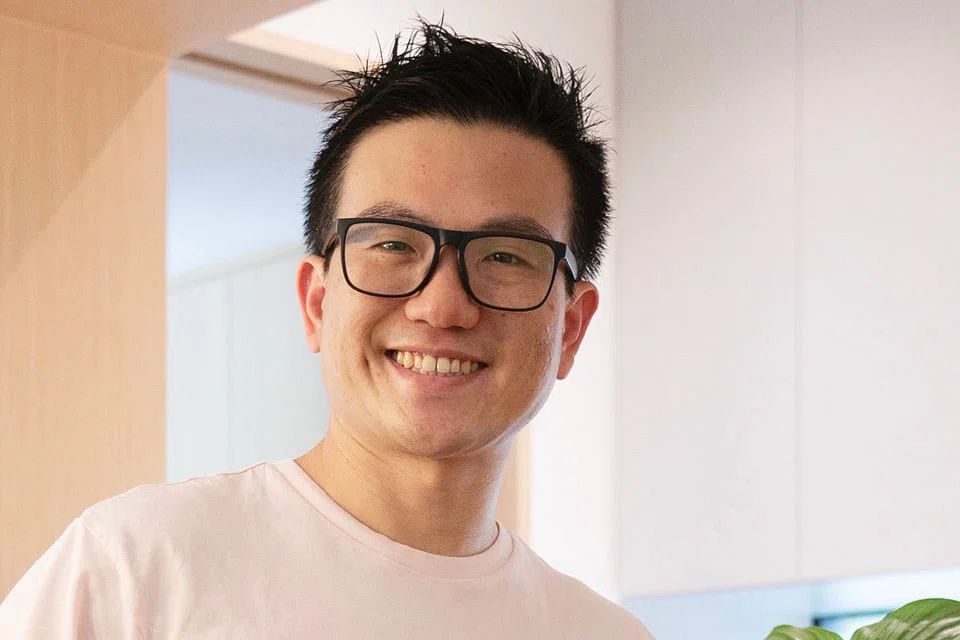
EVEN as the travel sector has turned moribund, entrepreneur Royston Tay sees opportunity. The co-founder of Zopim, one of Singapore's earliest startup successes, is now working on a new traveltech startup with two other partners.
Mr Tay is building GoTrippin, a travel planning platform, together with his wife Deng Yingzhi, a former creative group head at advertising firm DDB, and Dominic Ee, a co-founder of GoThere.sg and proptech startup 99.co.
Zopim made headlines back in 2014, when it sold to US giant Zendesk for US$30 million. Founded in 2008, the year of the global financial crisis, Zopim specialised in a live customer support chat widget. The startup's sale was seen as a landmark exit for the South-east Asian tech ecosystem.
Now, as the world is in the throes of another crisis, the GoTrippin team sees fresh tailwinds.
"While the travel sector has been badly hit, I see Covid-19 amplifying travel trends like the decline in packaged tours, the increased desire to self-plan trips, the desire to travel more often and to more far-flung locations," Mr Tay said. "When travel resumes broadly, I believe a new wave of travel startups will emerge from their shells to capitalise on this."
GoTrippin will aggregate travel content from the web, "all highlighted and mapped out", Mr Tay said. It will allow travellers to easily organise ideas, plan routes and make itineraries. The team is currently testing its approach with some users, and plans to expand beta tests in the coming months.
GoTrippin does not plan to raise capital until it sees significant traction and is ready to scale up.
The gloomy economic climate could give rise to more startups in certain sectors, such as those that enable remote working, Mr Tay reckons. Those who had the foresight to bet on remote working are now "reaping their rewards", he noted. "I tend to think of recessions as accelerators of trends. Status quos are upturned, allowing long-deferred shifts in thinking to happen faster," he said.
For aspiring entrepreneurs who may be sitting on ideas, he suggests they get started right away. "There's no chance of failing, if you think of it as falling forward," he said.
READ MORE: Covid-19 turmoil creates fresh openings for new startups
TRENDING NOW

If Europe goes to war, the fallout will be felt in East Asia

Philippines’ FDI slowdown exposes uneven investment prospects across S-E Asia

Who are some of the longest-serving CEOs among Singapore’s blue-chip companies?

Debt funding for S-E Asia startups ticks up as it gets tough to raise money via exits, equity

