
Pickleball is the new golf

Straight to your inbox. Money, career and life hacks to help young adults stay ahead.
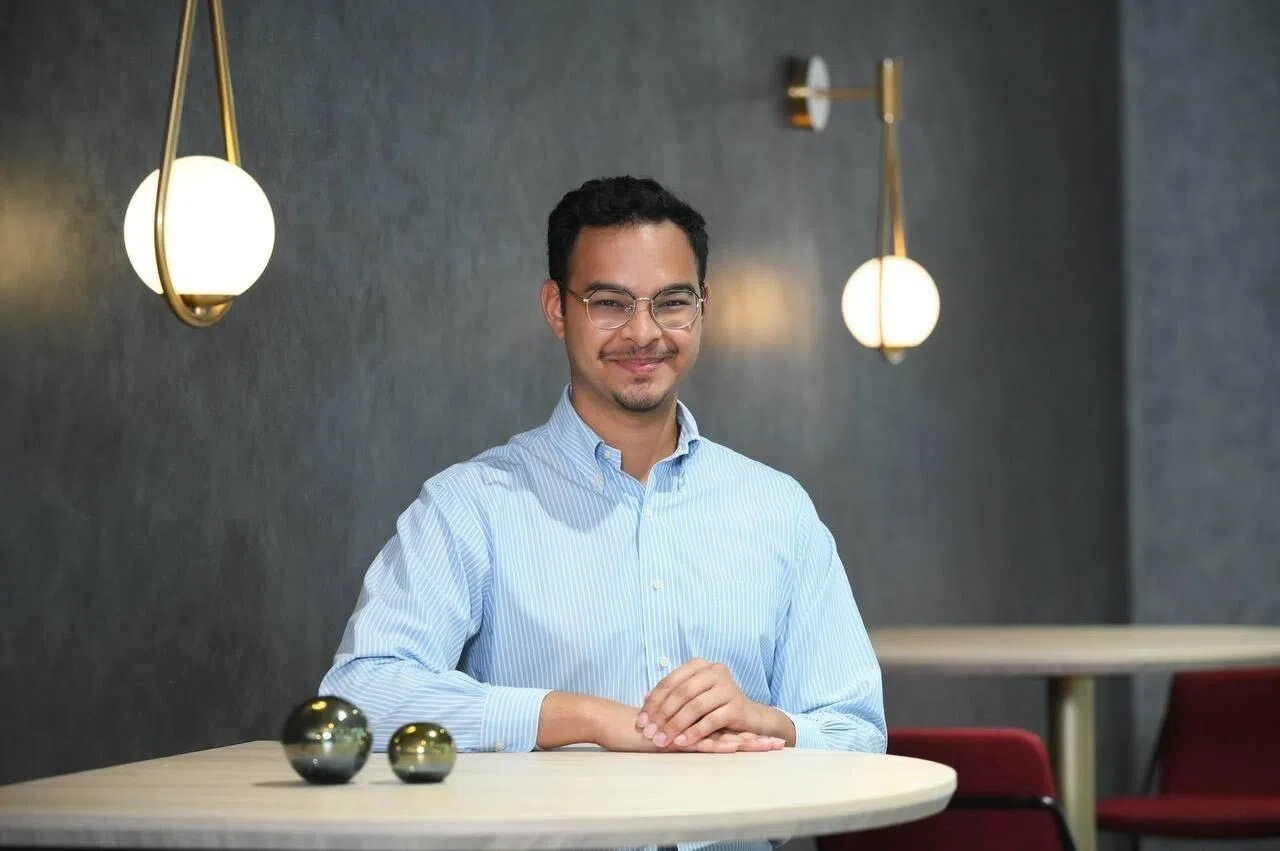
[SINGAPORE] Mitra Sachi doesn’t always pitch his proposals in the boardroom. Neither does he have to schedule formal sit-down meetings at work.
Instead, the 27-year-old solutions engineer wins over his executives on the pickleball court.
Since picking up pickleball, Sachi says he has found it easier to work with colleagues and get executive buy-ins for projects and proposals.
He has also seen his colleagues doing the same – floating business proposals with stakeholders mid-game, and receiving warmer responses than they might have through conventional “cold-calling” approaches.
Pickleball has been around since 1965, but in recent years, the sport has been gaining traction, especially among younger adults.
Bookings at public pickleball courts more than tripled from 2023 to 2025, Sport Singapore told The Straits Times.
Within Asia, the sport has also grown at a 60 per cent rate year-on-year, according to a survey by the United Pickleball Association (UPA) Asia and YouGov.
The same survey found that the sport is also skewing younger, with those aged between 18 and 35 being the most aware of pickleball and having played the sport.
And with this surging interest among younger players, several young professionals are also showing up at the court with business cards in their back pockets.



Sachi tells me that pickleball has helped him to “spontaneously” meet professionals across industries.
Some of those connections have gone further to invite him to tour their office campus – including one to Meta’s US office when Sachi had a work stint in the US – to network, explore their company culture and job opportunities.
“I have also met others in my own company, including senior leaders, that I would usually not have the exposure to,” he says, adding that pickleball has helped him build meaningful relationships with these colleagues.
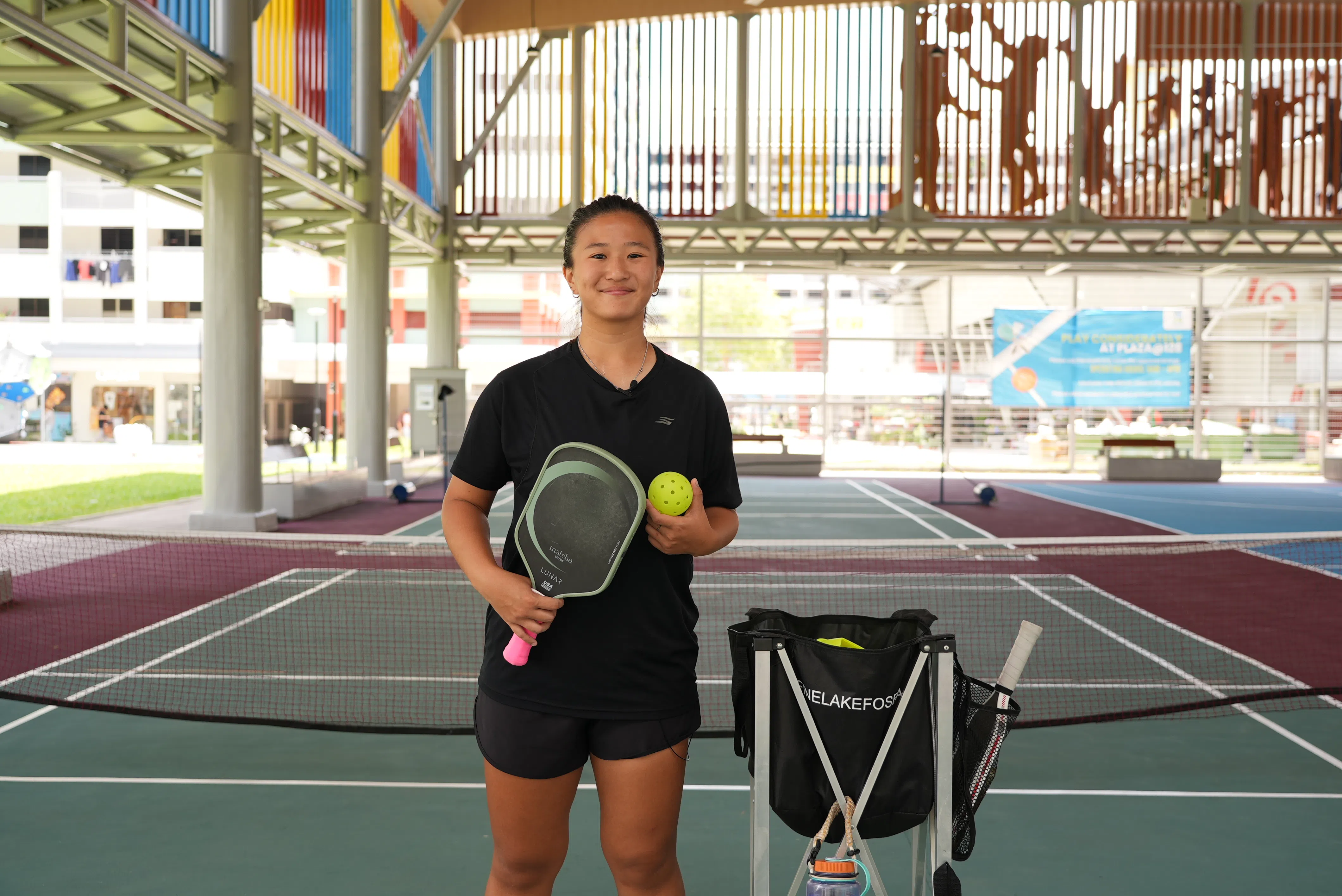
Elise Yeo, 25, has also used pickleball as a networking tool before she switched to becoming a full-time pickleball and tennis coach in April 2025.
“At my former job in tech sales, I’ve had many personal connections on the court turn into business opportunities later,” Yeo says. “It’s definitely a softer and more relationship-oriented approach, compared to traditional meetings and formal networking events.”
Why pickleball?
When you hear the words “networking” and “sport”, golf probably still comes to mind first.
So, why are younger professionals reaching for paddles instead of clubs?
The answer is, for the most part, practical.
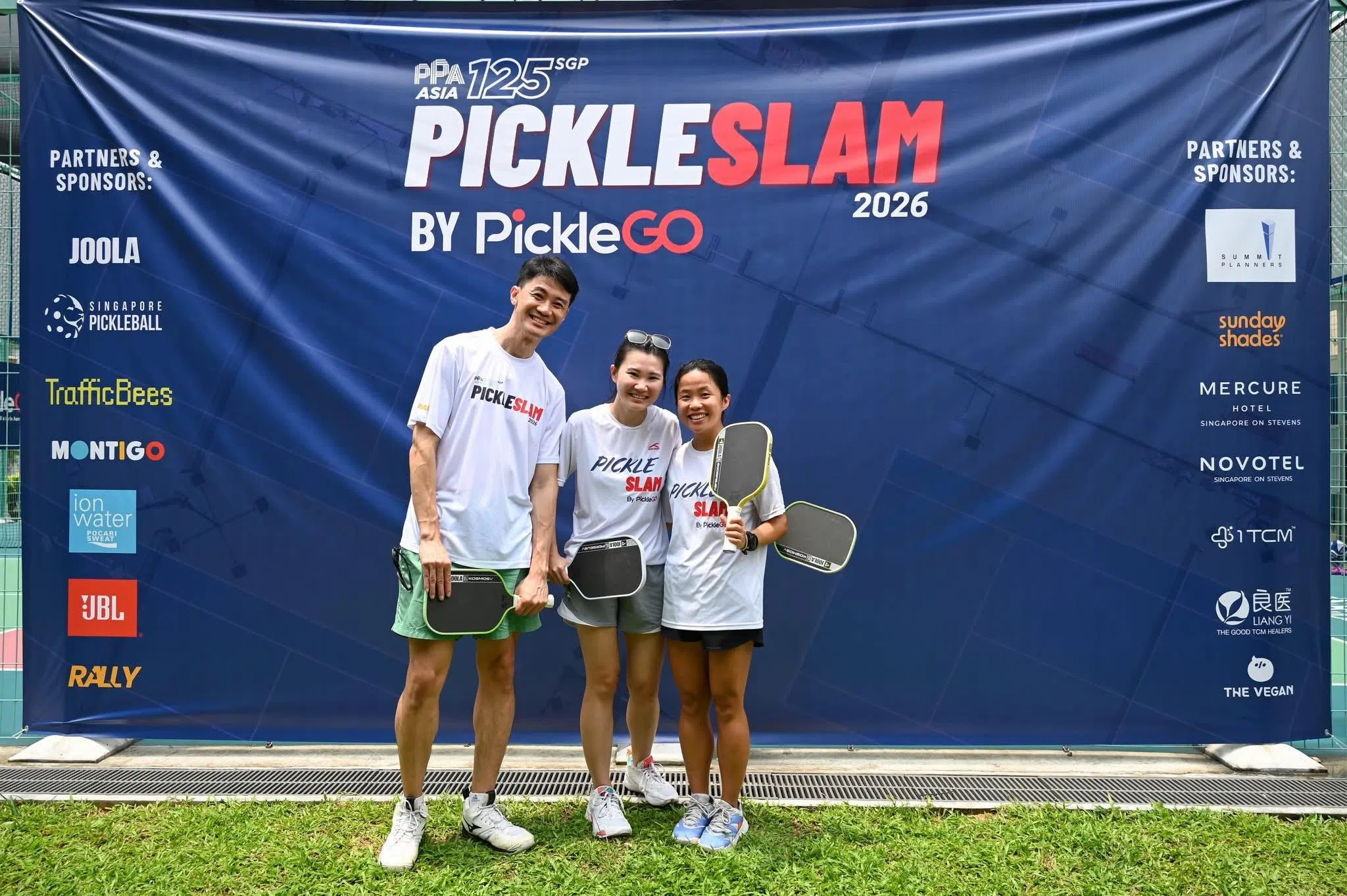
Charlotte Ang, 34, co-founder of PickleGo – a pickleball equipment retailer and activity hub – says pickleball tends to be easier to pick up, more affordable to get started, and courts are generally more accessible than golf courses.
The cost of golf club memberships easily sets one back by thousands – and that’s before factoring in equipment and lessons.
Hourly rates for public and semi-public golf courses may also add up to hundreds for a game that typically lasts hours. This isn’t always something most early-career professionals can afford.
On the other hand, a paddle can cost as little as a few dollars, and many public pickleball courts are free to use. Plus, the learning curve, while present, is less steep.
“(Pickleball) lowers the barrier for people who may not have considered sports as a networking platform before,” Ang notes.
Yeo also agrees that pickleball’s accessibility is “perfect” for young professionals who are building their careers and may lack resources.
She adds that the court also helps facilitate smoother conversations between colleagues. “Hierarchy is a sensitive topic in the workplace, but on the court, everyone’s on a level playing field,” Yeo says.
And with how popular the sport has become, mastering the basics of pickleball seems to have also become important to young professionals trying to network.
In fact, Yeo tells me that one of the main reasons why younger clients come to her for coaching is to build confidence and to feel less self-conscious when playing in front of colleagues.
“I think they mainly want to belong and not feel left out,” Yeo notes.
Dethroning golf
As participation grows, institutional money is also flowing into the sport.
Just last week, Singapore hosted the Epic World Championship, a four-day amateur pickleball tournament that drew 1,300 people from over 60 countries with a guaranteed prize purse of at least US$50,000.
Later this year, the first OCBC-Great Eastern Pickleball Open will take place in October, with about 1,600 players set to compete across the three-day tournament.
Over the next five years, 50 multipurpose courts for badminton and pickleball will also be built islandwide. Compare that with golf, where courses are being closed down to reclaim land for housing and other uses.
“What we’re seeing now is just the early stage of development. As more infrastructure comes in and more structured tournaments and pathways are introduced, the ecosystem will continue to mature,” Ang notes.
And for everyday players like Sachi and his brother, who has cerebral palsy, pickleball’s inclusivity and accessibility remains its ultimate draw for those who play it recreationally.
“While golf has opened doors for the elite to network, I believe pickleball has democratised networking for everyone,” Sachi says.
Decoding Asia newsletter: your guide to navigating Asia in a new global order. Sign up here to get Decoding Asia newsletter. Delivered to your inbox. Free.
Copyright SPH Media. All rights reserved.