
📈 Coming up with an investment strategy and sticking with it

- Find out more and sign up for Thrive at bt.sg/thrive
🎯 What’s your game plan?
When I first set up my trading account, I spent hours every day reading reports by brokerage firms recommending which stocks to buy, hold or sell.
But weeks after poring through pages of jargon, I became overwhelmed with the long list of choices and couldn’t decide which to buy.
What would have helped me then was to come up with an investment strategy, which I didn’t have until after a year of making haphazard investment decisions based solely on how I felt at the time.
Choosing your first investment is often the hardest step. Having an investment strategy will guide you on what to invest in based on your financial goals and personal circumstances.
It’s helpful to first think through some of these questions:
- What is your current financial situation?
- How much can you afford to invest?
- Are you investing for retirement or for a big purchase like a wedding or home?
- How much in returns will you need to make, and how long do you have to reach that goal?
- What is your risk appetite? Would you be able to sleep okay if your stock drops 20 per cent overnight?
For instance, a young investor may be willing to take more risk since they have more years to earn back any losses compared with an older investor who’ll need those funds for retirement in a few years’ time.
Navigate Asia in
a new global order
Get the insights delivered to your inbox.
3️⃣ common strategies
Now that you have a rough idea of your investment objective, here are three popular investment styles to consider.
1. Growth investing
Growth investors are often looking for the next big thing. Think artificial intelligence, electric cars or gene editing. These companies are seen as having high potential for growth, usually show high levels of innovation and have products that can disrupt industries.
Growth stocks typically get the most hype on the Internet. They don’t have to belong to small companies either. Apple, the most valuable company in the world, is considered by many to be a growth company.
Investors buy these stocks anticipating future profits. In many cases, these companies haven’t even broken even yet.
A drawback to growth stocks is that they often pay investors little to no dividends because they want to reinvest their profits to drive further growth. Also, these stocks usually trade at higher prices relative to their earnings and tend to be more volatile, so any negative news can cause share prices to tank.
2. Value investing
Value investors, meanwhile, are bargain hunters. Companies they invest in tend to be more established and deliver stable returns and profits, but are trading below what these investors value the companies to be worth.
Investors usually use two key ratios to decide: the price-to-earnings (P/E) ratio and the price-to-book (P/B) ratio.
P/E is calculated by dividing the share price by earnings per share, while P/B divides the share price by book value per share. The ratios do not mean much on their own, so investors will need to compare them with others in the industry and their historical averages to decide if a stock is truly a value stock.
The hope for value investors is that when the market catches on to the stock’s true worth, they’ll get a nice return for buying the stock at a low price. All the while, they’re getting paid dividends.
But the risk is that markets are often seen as efficient and have priced in all available information, so there could be a reason why that stock is cheaper than its competitors.
3. Index fund investing
Whereas growth and value investors seek to beat the market, index fund investors are satisfied keeping pace with how the stock market performs.
In essence, this strategy involves “buying” every company in the market, believing that prices always rise in the long term. Investors do this by buying broad-based index funds that mimic the performance of, say, the S&P 500, often through a financial instrument known as an exchange-traded fund.
Index funds tend to have fewer fees compared with actively-managed funds and offer wider diversification. With this slow and steady approach, one will not reap huge gains quickly but it usually carries less risk than individual stocks.
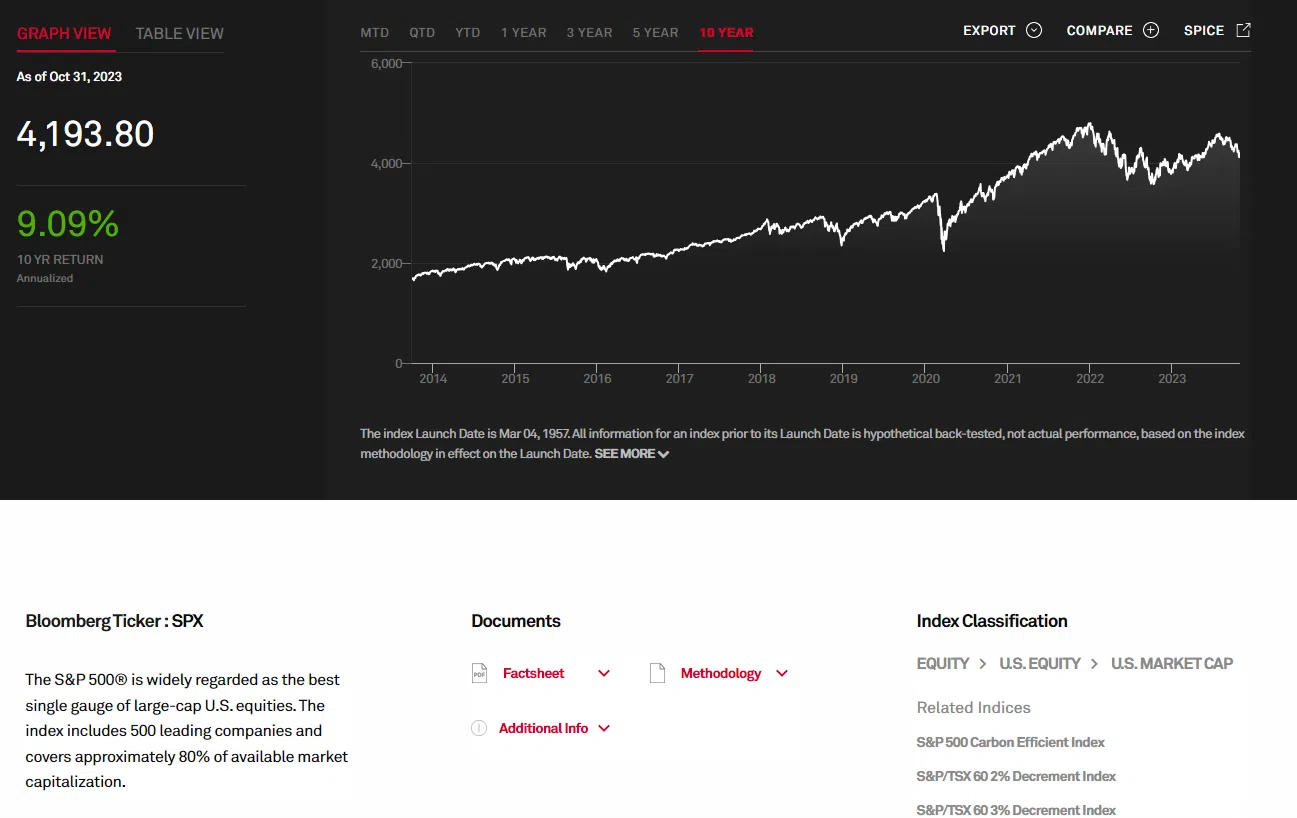
Besides these, other strategies include income investing, socially responsible investing and momentum investing.
🩹 Sticking with it
Choosing a strategy is the first part. Where many investors falter is in sticking with their conviction. When the market is volatile, it’s easy to panic and make impulsive decisions.
Say you invested in a stock that you believed was undervalued, and the share price continues to fall even though there’s no bad news and no change to the company’s fundamentals. Rather than cut your losses out of fear, it may pay off to grab more of the stock at an even cheaper price, provided your conviction in its potential still stands.
Likewise, for growth investing, impatient investors could stand to miss out on returns if they hop from one hype train to the next before their initial bets pay off.
One way to ensure you stay the course is to write down your investment strategy, so you don’t forget why you invested in a stock in the first place.
You could also invest a fixed sum on a regular basis regardless of the share price through dollar cost averaging, or set aside a portion of your salary every month to tap into whenever you spot an opportunity in the market.
Of course, that’s not to say that you can’t change your investment strategy once you’ve started. Nor does it mean that you can’t invest in growth stocks if you’ve already invested in index funds.
Investment strategies are flexible and can be changed to suit your risk tolerance, financial goals or investment beliefs as they evolve over time. Just bear in mind not to change them too often, especially if your brokerage account charges you each time you buy or sell a stock.

TL;DR
- Having an investment strategy helps you make decisions that will help you achieve your financial goals
- It also helps to reduce decision fatigue and prevents impulsive buying and selling
- Common examples of investment strategies include growth, value and index fund investing
- Sticking to an investment plan is just as important as picking one
Copyright SPH Media. All rights reserved.


